Showing posts with label Punjabi. Show all posts

Methi Mutter Malai Recipe

How to make Methi Mutter Malai Restaurant Style | Methi Mutter Malai Recipe
Around the weekend, my mind scouts with ideas as I leisurely spend the day in the kitchen. The weekdays often go by unnoticed, dissolved in the hectic day at work followed by the madness of traffic and noise of city life. The usual mundanes of flurry and rush that I needn't talk about. As the weekend transpires, I seek an inspiration to cook that usually comes from the morning trip to the grocery store. I enter the store in enthusiasm, more so from the several moments I spend watching crates of fresh vegetables and fruits being loaded off the trucks and piled into carts to be brought in by the storekeepers. It's a sight I cherish with great delight and an absorbing interest.

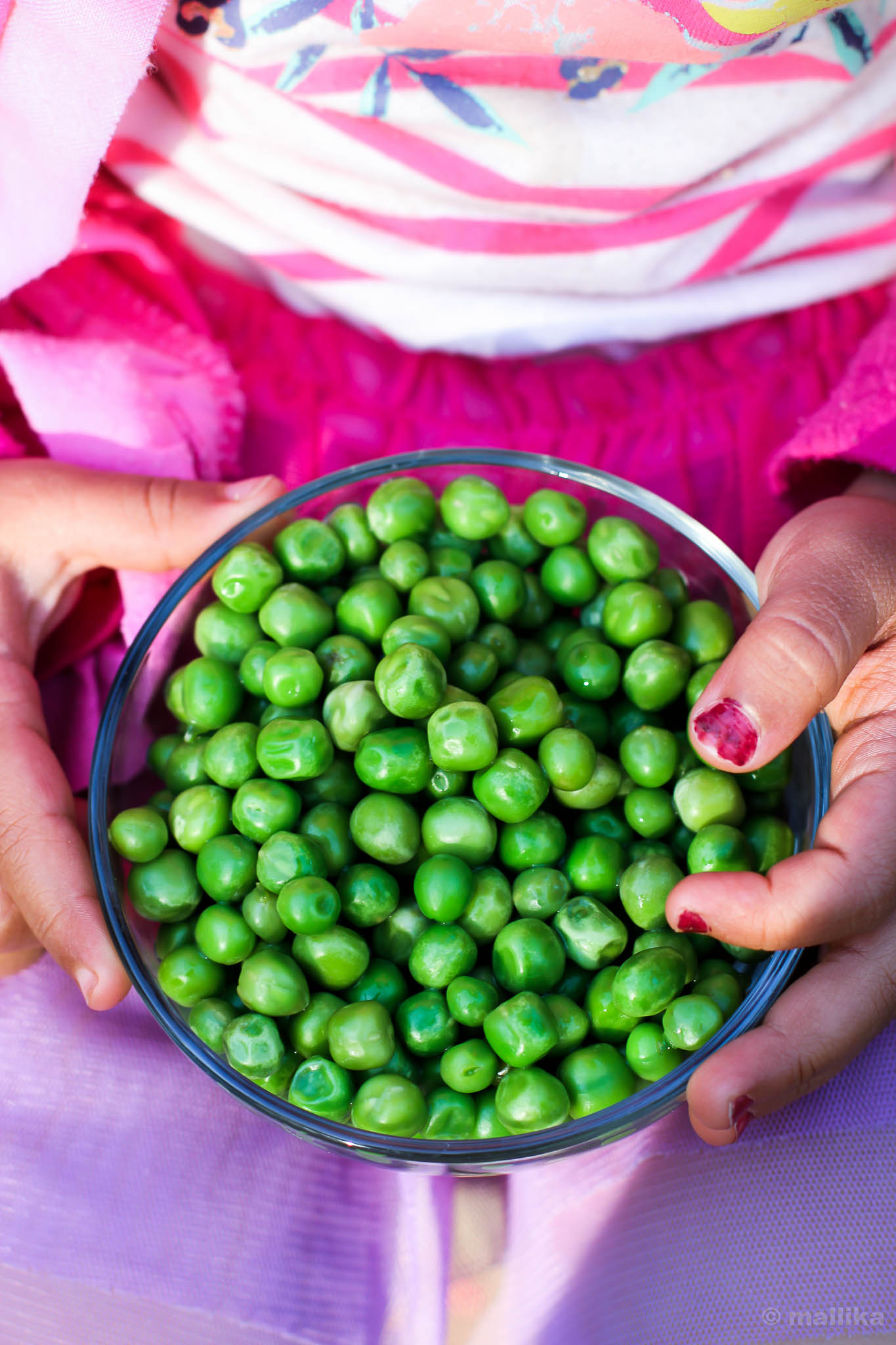
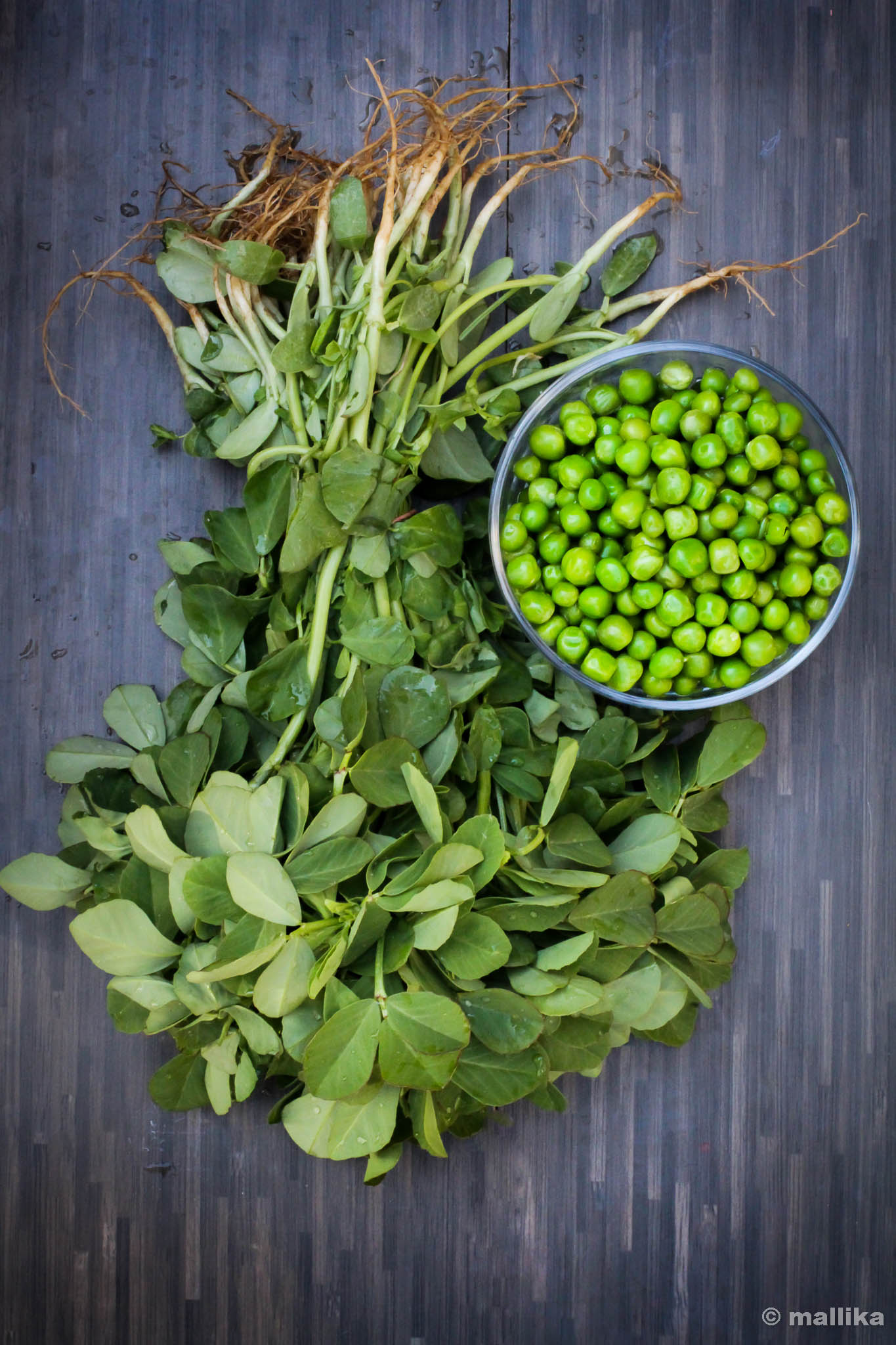
Fenugreek and Peas


The grocery shopping this weekend saw me picking bunch of fresh fenugreek greens that gleamed off from the rest of the greens. For a long long time, my mind has been set on making restaurant styled methi mutter malai well in the comforts of my kitchen. Having had this a couple of times at restaurants in the past, and while seeing a lot of bloggers on web-space make this with ease, my heart was sold as I saw them on the grocery counter. May be it was the fresh leaves with tender stalks or the firm sap greenness that called out to me; quite undeterred I had a couple of healthy bunches carrying back home. You bet, I would probably not spare the roots too, given the chance may be!

Peas


On another note the start to this weekend went off quite memorable. Late evening on Friday this week, I headed to Aloft to join them in their second MTV Asia Musical awards show where we saw the top five finalists battle out for the winning position. It was a musical night filled with glitzy, glamour, creativity over cocktails and canapes. The bands had it all that brought them up there. Their music, soulful compositions, phenomenal talent with creativity and technical skills - all put together to fill the space with their youthful aura.

So when Saturday came by, my mind was still grooving into the energies of the night before. Saturday, my grocery bag was stocked with all that I needed for a good methi mutter malai. However, I put that aside for the Sunday lunch. Instead, I pulled off the day lazying around and filling myself a light brunch and fruits, skipping dinner. Sunday though, this methi mutter malai and pulao made up for a royal feast.

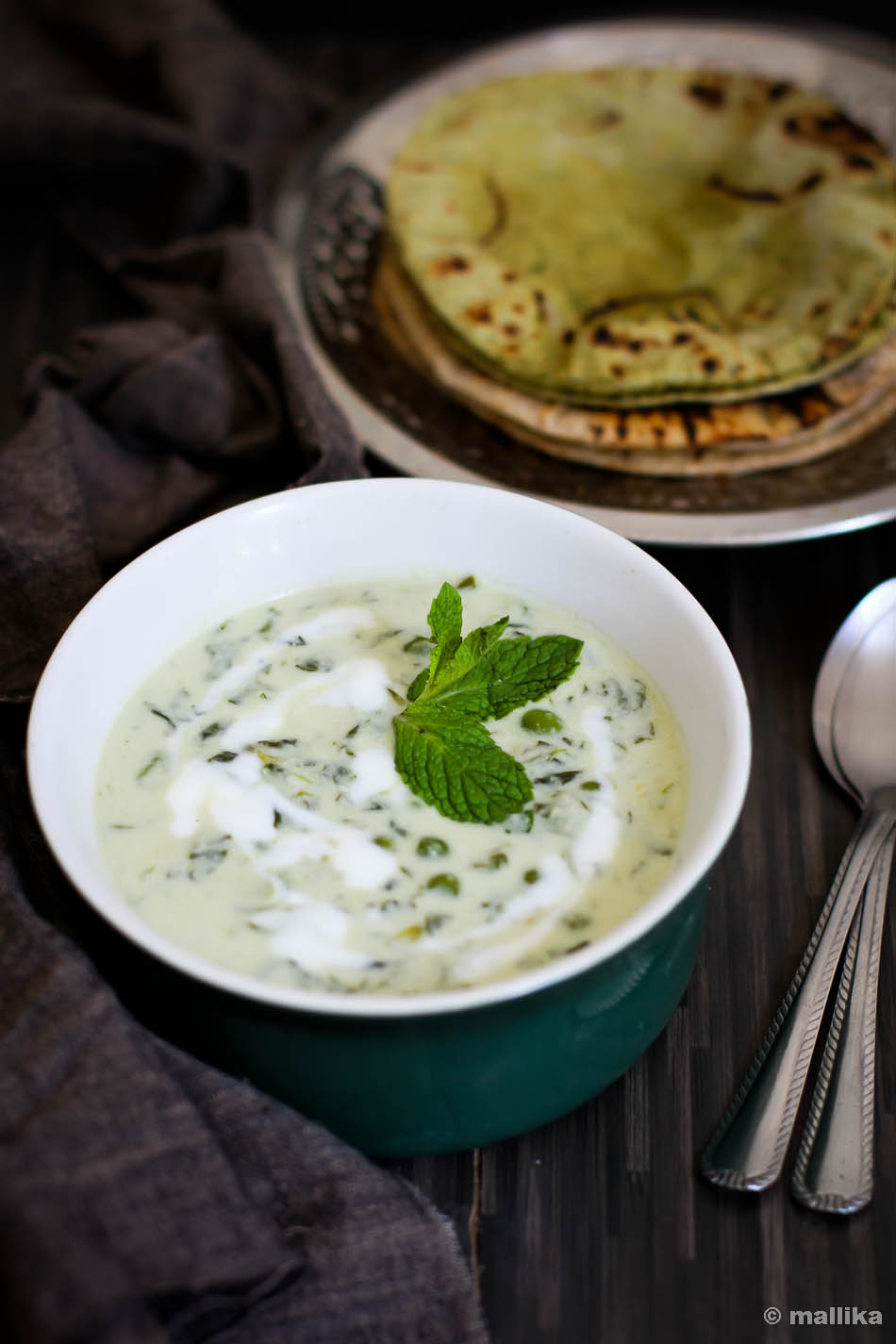
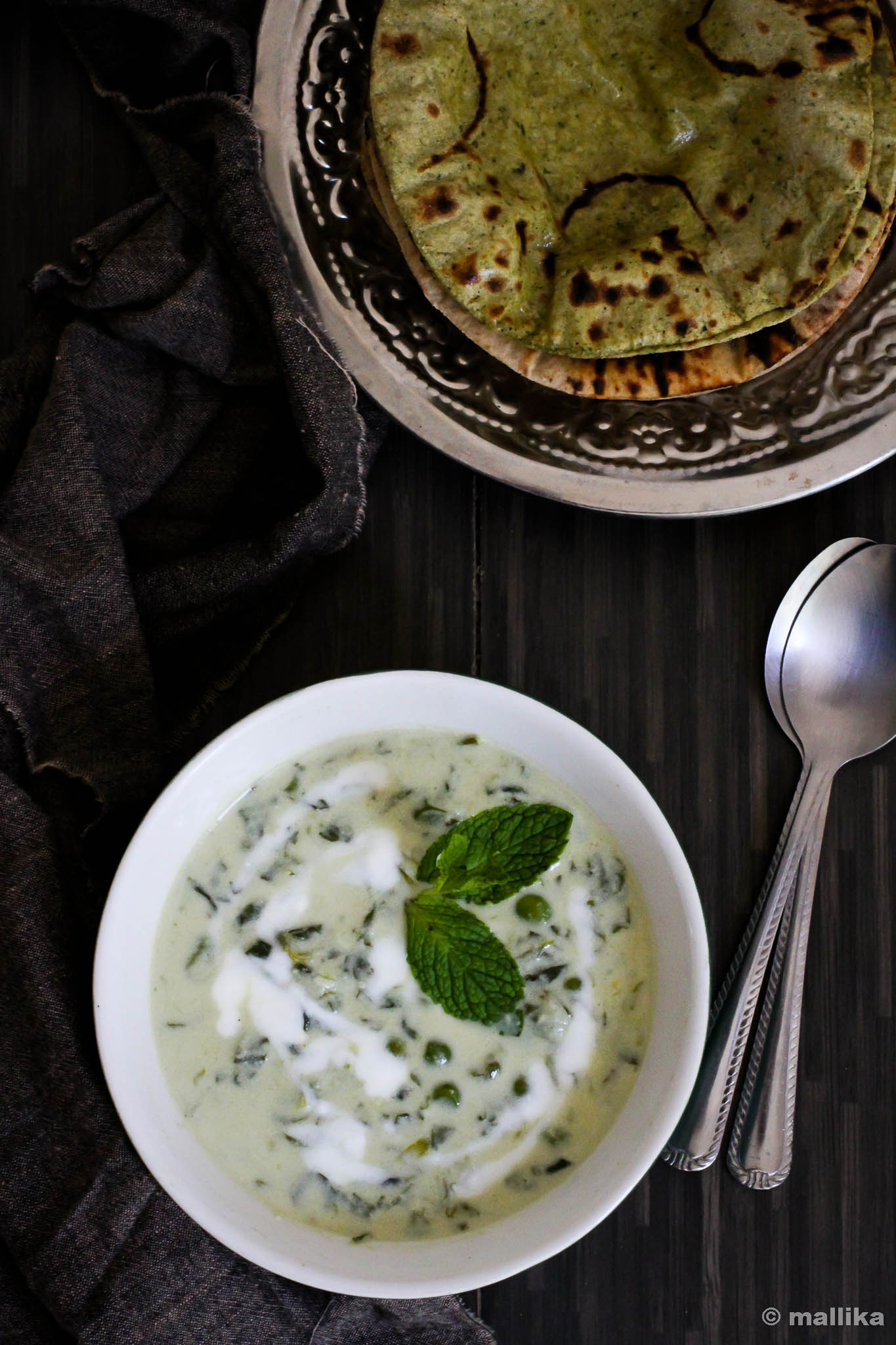
Methi Mutter Malai


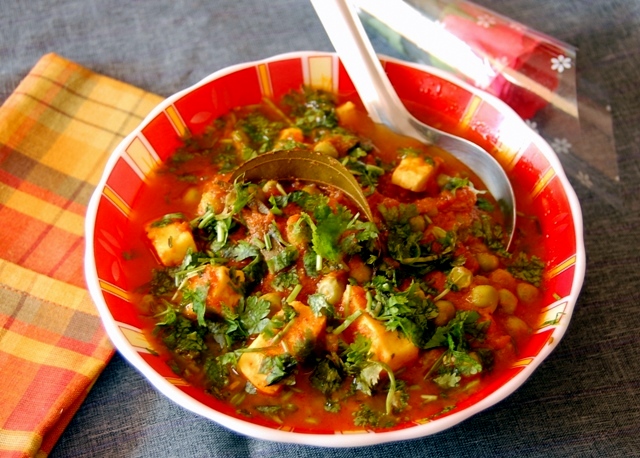
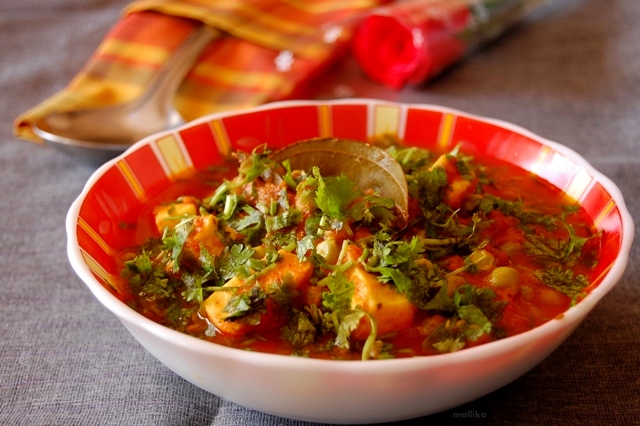
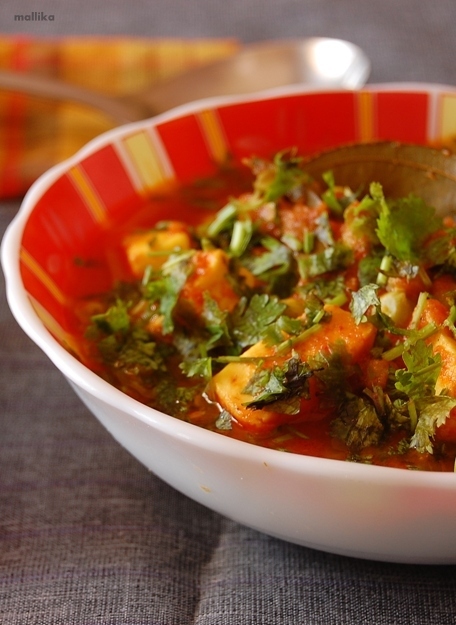
Methi Matar Malai needs no introduction to most. Hailing from the Punjabi North Indian cuisine, this dish can be commonly found in the menu card of most North Indian restaurants. The fresh fenugreek leaves and green peas are simmered in a rich, white and creamy gravy base, it's simplicity and richness that will enamor you in the first place. It's great served as a side dish for roti, parathas, naan or pulaos.

It's not a dish one would recommend for a daily indulgence, yet, it never harms when it promises some health through greens that are packed with nutrition. The dish is fragrant and so mildly spiced that its loved by kids too. What I love is the sheer simplicity of this dish, the mild flavors and richness that this recipe offers, quite replicating the Indian restaurant styled methi mutter malai.
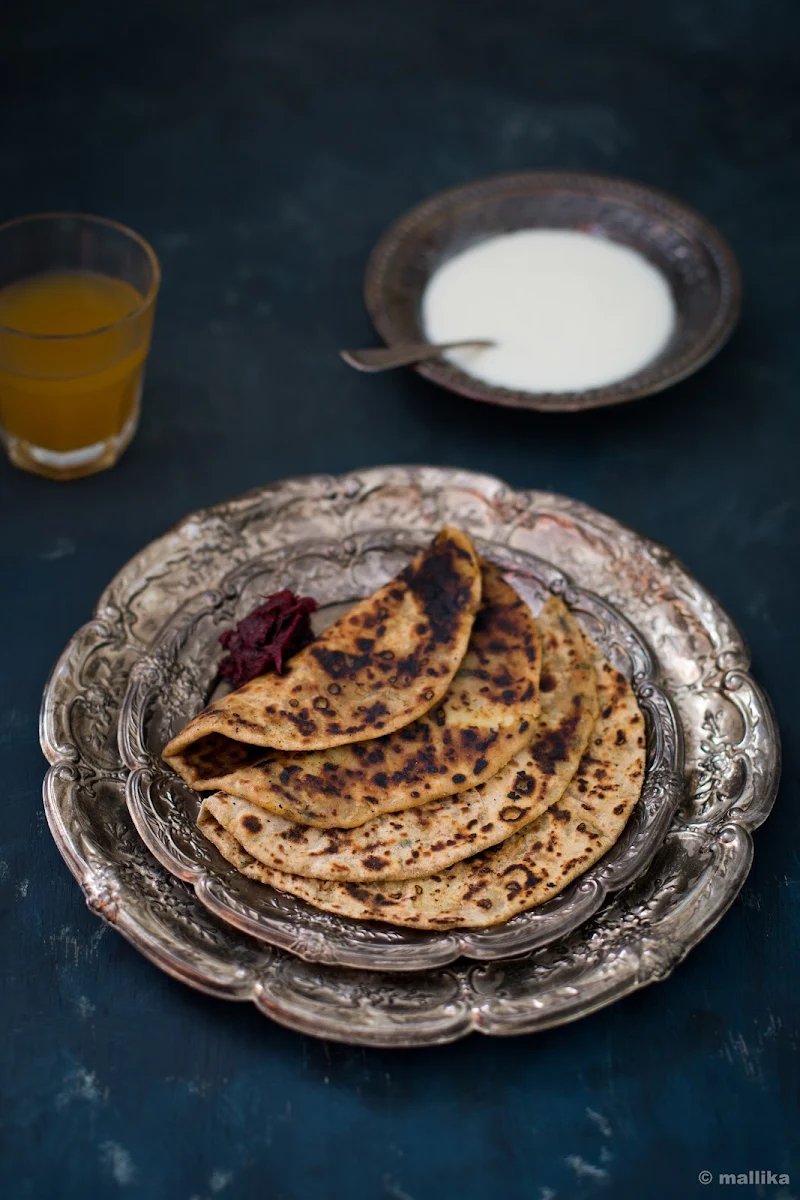
Methi Paratha


Methi Matar Malai | Restaurant Style Methi Mutter Malai

INGREDIENTS

2 cups chopped fenugreek / methi leaves
1 cup fresh / frozen green peas
1 tsp cumin seeds
1/2 cup milk
1/4 cup fresh cream
1 tsp sugar
2 tbsp oil
Salt to taste

To be fried and ground into a paste

1 onion
1-2 green chillies
1/2" ginger clove
1-2 garlic cloves
2 cloves
Seeds from 3 cardamom pods
1/4 cup cashewnuts

DIRECTIONS

Soak the cashewnuts in warm water for 20 mins. Drain and set aside to be ground along with other ingredients. In a pan / kadai, heat a tablespoon of oil and fry onion, green chilli and ginger till the onions are transparent. Turn off the flame and allow to cool. In a mixie, grind to paste the fried ingredients along with the soaked cashews with little water. Set aside.

In a pan / wok, saute the chopped fenugreek leaves along with half a teaspoon of salt till they wilt and let out the water. This will take about 5-6 minutes. Switch off the flame and allow it to cool to room temperature. Then, squeeze the water out of the leaves to remove the bitterness from them and set the drained leaves aside.

In another pan / kadai, heat a tablespoon of oil. Fry the cumin seeds. As they sizzle in the oil, add cloves and cardamom seeds, Then add the green peas and fry them briefly for couple of mins till the peas are cooked. Next, add the cooked and drained fenugreek leaves with 1/4 cup water. Add the milk and cream. Simmer on low flame for 5-6 minutes. Add the sugar and salt to taste and mix well. Transfer Methi-Matar Malai to serving dish and drizzle little cream on top if desired. Drizzle some fresh cream on top. Garnish with coriander leaves or mint leaves and serve methi matar malai hot with naan, parathas or phulkas.
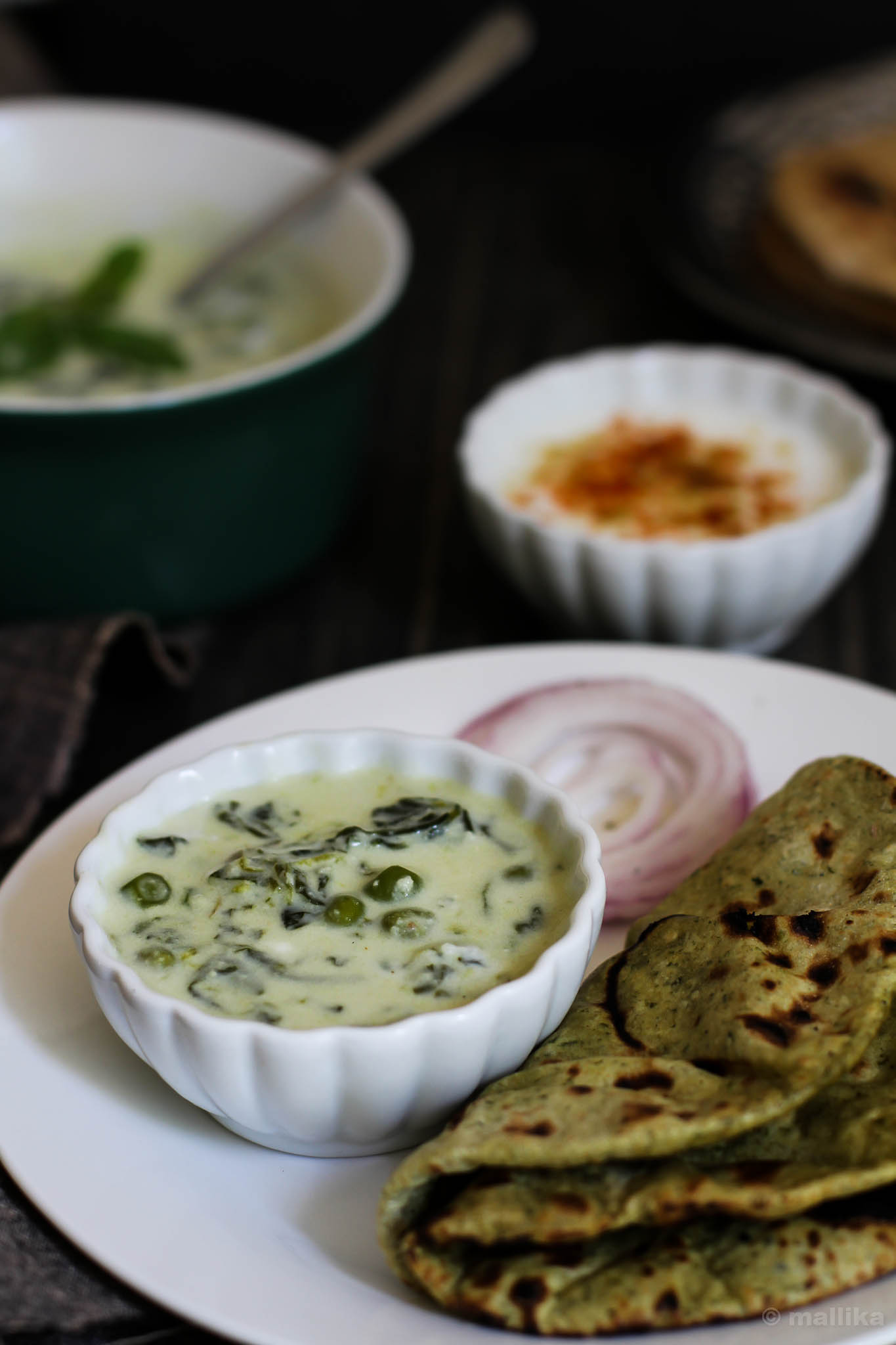
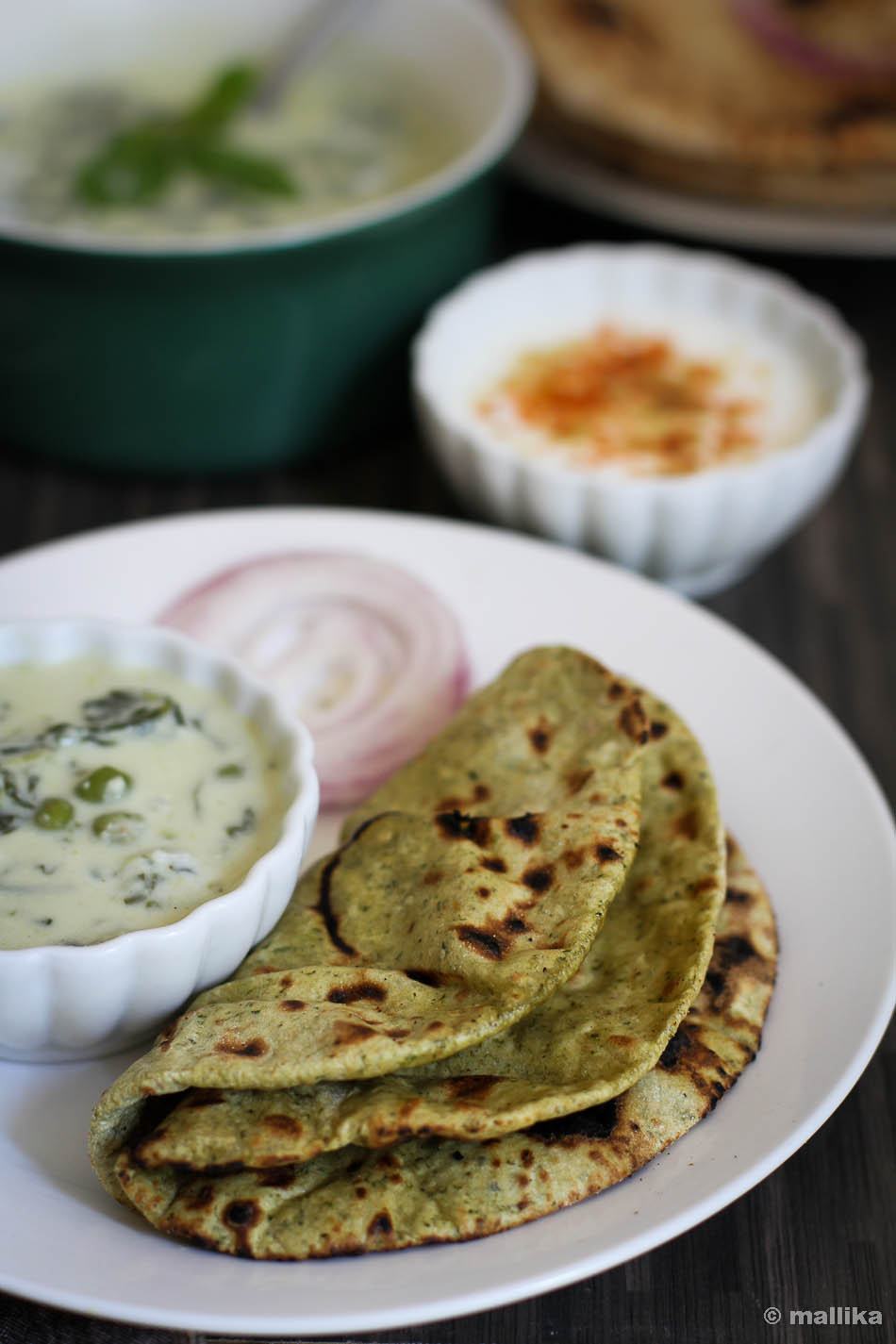
Methi Mutter Malai with Methi Paratha


Notes:

- Its not necessary to saute the fenugreek leaves prior to adding this to the recipe. However, fenugreek greens have some bitterness, and if you wish to avoid this coming through, it would be good to saute them first and then use in the recipe. This also helps in retaining the white color in the gravy.

- The water drained from fenugreek leaves is nutritious and hence instead of throwing it away, you may use them to knead dough and make rotis from these. Infact, my photographs will show some of the rotis I made using the water from the boiled greens. They taste quite like normal rotis and the bitterness is barely known.

- I used the small spicy variety of green chilli in this recipe. It provides the desired heat to the dish and does not affect the color of gravy. Alternatively, you may slit the green chilli lengthwise and fry in oil along with cumin and spices.

- On adding milk and cream, do not boil on high flame. Instead keep the flame on low and allow the gravy to simmer. This will avoid splitting.

- Cashews are important here as they not just lend flavor to this recipe, but the volume and richness to this gravy. You may replace cashews for soaked almonds as well.

- You may skip the milk cream and just use unsweetened evaporated milk / milk powder here. Milk powders usually have added sugar, so watch the quantity used and skip sugar. A heaped tablespoonful should do. The recipes with white gravies are usually mildly sweet. This sweet richness comes from the use of milk, cream and sugar. So don't be surprised. The flavor will vary if cream is substituted and the dish will not be as rich as the cream based.

IMG_4393


Hope you had a happy long weekend folks! And wish you a Happy Monday!

I often wish Sunday's don't go by so quickly and Monday's don't come by so soon. More often, I wake up to a thought of having yet another Sunday that is an extension of the previous day or a hope that the week passes by steadily, merrily and fruitfully, welcoming yet another weekend, and that too a happy, jolly one like the one we just had.

Last week with Eid on Friday, we had a long weekend. The week that went by, we had Independence day falling on Thursday and a quick Friday that that did not seem like a working day, so that counted for yet another lovely long weekend, or at least I like to think that we had one. :)

IMG_4402


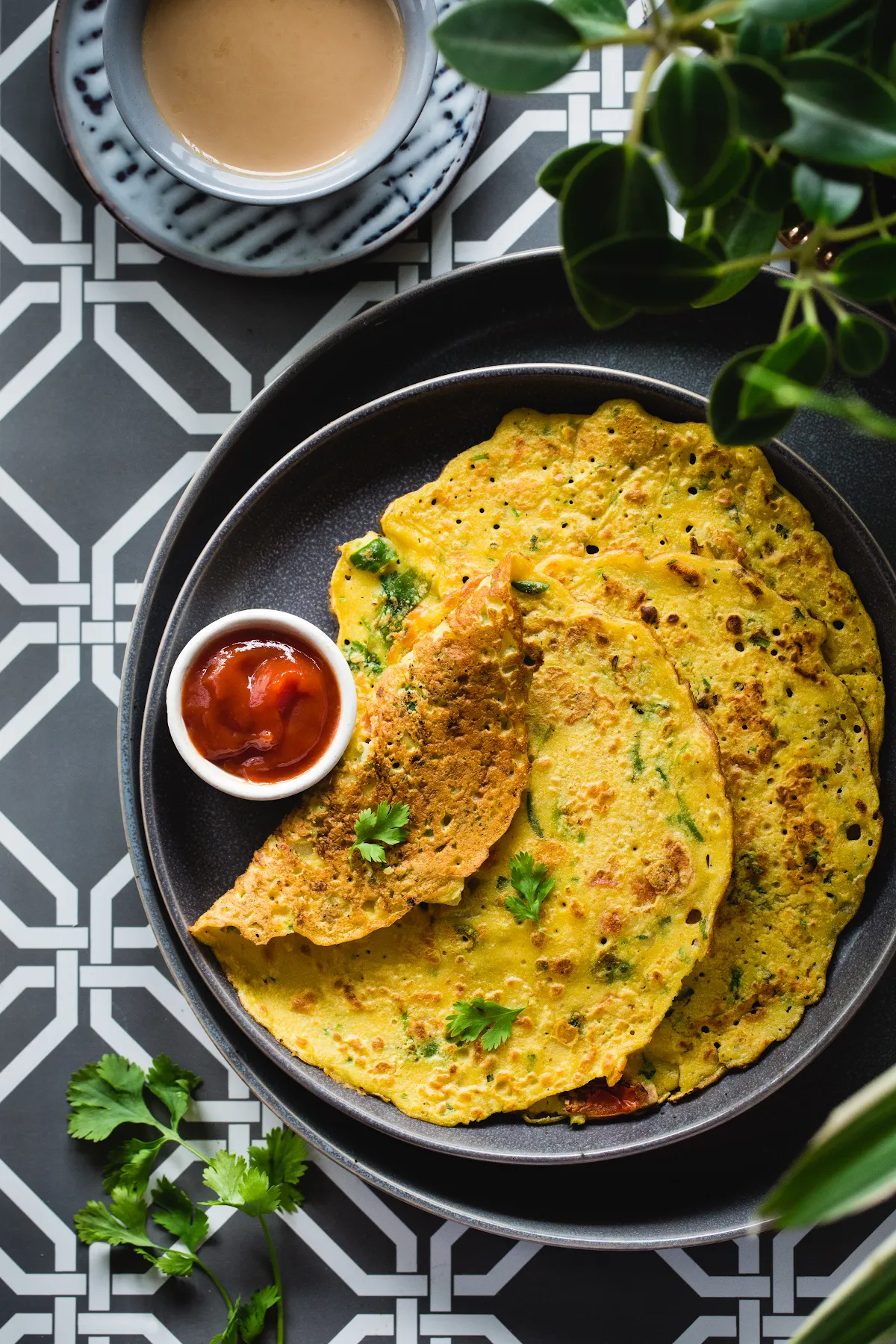
To make this holiday worthy, we made a day's trek to the nearby outdoors and that was such a welcome break. This Dal ki roti, whipped up from the previous night leftovers made up for our outdoor brunch, just apt as a wrap-up-take-away for any time munch.

Dal ki roti is an excellent way to use up left over dal from the previous day and translate it to a delicious snack or a breakfast dish. Being a popular dish in the North, this was one of those recipes I learnt from my mother in law, who makes it extremely well and is often accoladed for the variety of delicious parathas she makes. Since I have come to learn this, it's been a regular at my home, way too often when I have left-overs of dal from the previous day. It's versatile, easy to put together, healthy and delicious. You may use any simple dal recipe for this one, either moong, tuvar or masoor dal. The one I used is here, however you can use the ones with onions in them or heavier seasoning. A thicker one makes softer and tastier parathas, so I suggest you drain off the excess water if the dal is thin. I like to pep up the seasoning a bit here with some chopped onions, a few hot chillies, garam masala, fresh coriander leaves, but it really up to your choice and taste.

IMG_4407


Dal ki Roti

INGREDIENTS

1 cup leftover dal
1 onion, finely chopped
2 to 3 green chillies, finely chopped
1 tsp. red chilli powder
1/2 tsp. cumin seeds
1 chopped onion
1 tsp. garam masala
1 tbsp. fresh coriander leaves
2 cups whole wheat flour (varies depending on thickness of the dal)
Salt to taste
Oil for cooking

DIRECTIONS

Drain the dal if there's excess water and combine the dal with onion, green chillies, red chilli powder, cumin seeds, garam masala, finely chopped coriander leaves and salt. Combine the wheat flour into this and knead into a soft dough. Set aside for 20-30 mins. Pinch out the dough into equal lime sized portions and with the help of wheat flour, roll out into a circle of 6"-8" using a rolling pin. Heat an iron griddle and cook each roti, flipping each side as they cook. Brush oil on each side of the roti and cook till golden brown on both the sides. Serve hot with onion rings, fresh curd and pickles.

IMG_4410

Lauki Malai Kofta

Make Lauki Malai Kofta | Lauki Malai Kofta Recipe
Apologies guys! It's been some time since I have been away from blogging and the blog world. I did take a month's break from blogging to wrap up other important work on my list, but extended it to two months! Also, my health took a toll, which took longer for me to be back here. I am sure I have missed a lot on other spaces, but I will soon resume to catch up with you guys.

During my absence, I received lot of responses from my readers and followers. I was often complimented for my bakes and desserts, while was also requested why common everyday cooking hardly saw the space. I had to ponder. Somehow, I wondered if everyday cooking needs to be mentioned here. There are hundreds of recipes and I know it would be great to jot them here. But, I put up this space as a repository for my own future reference too, so I can come back to view those recipes.

There have been many requests for Indian recipes, breakfast dishes, main course meals, quick bites, savories and much more beyond just desserts, no matter how common they may sound to us. So with my comeback, I promise to bring more of these.

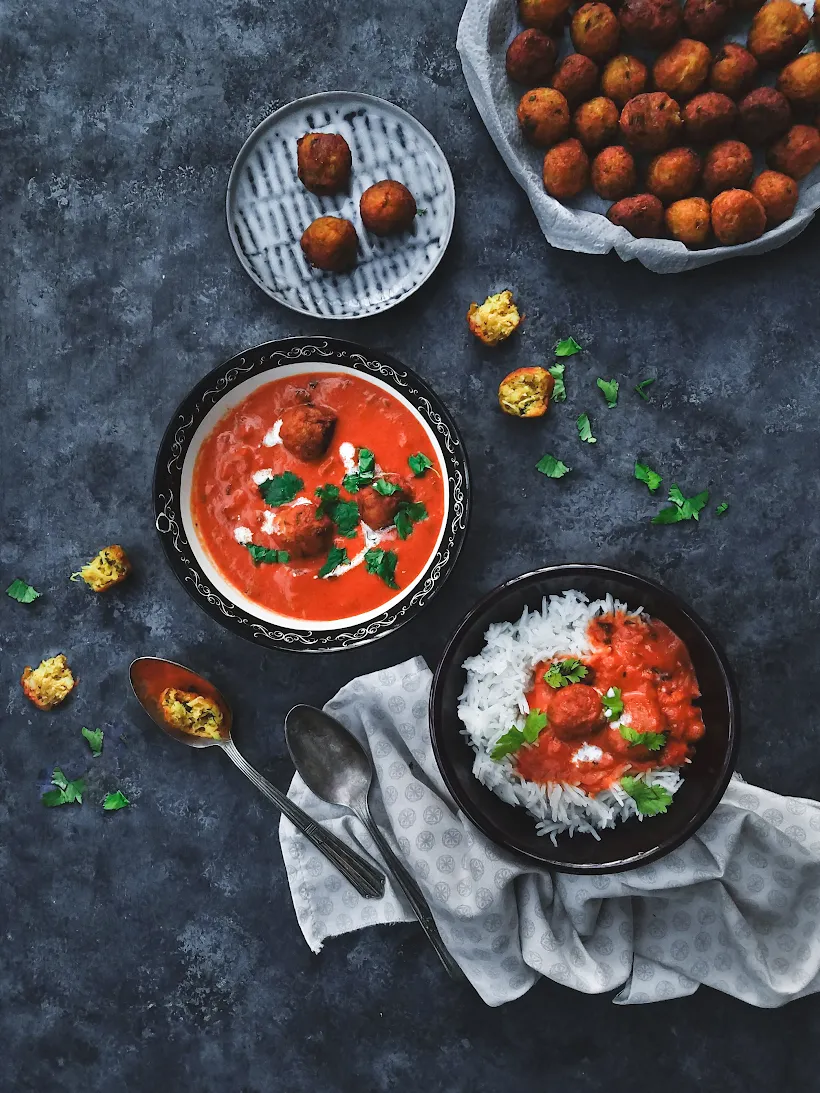
One of the main course recipes I had seen a while ago was this Makhani Masala from ecurry. I totally fell in love with this Malai Kofta recipe. The rich dumplings in creamy gravy looked so perfect and tempting, as if they were taken off a restaurant menu. I had to try them to convince myself that they could replicate the flavors too. I followed Soma's Makhani Masala recipe exactly the same way. For the dumpling however, I used Lauki koftas instead of paneer, just to put in some health and reduce on guilt of eating this rich gravy ;). I have made Lauki koftas in the regular low fat gravy way on many occasions, but this creamy version is surely the one you will crave for those occasional treats. And yes, do reserve this for those special occasions... where you want to be showered with compliments of being a Master Chef!

The recipe may seem long and intimidating, but I promise you, it's worth every bit.

Lauki Malai Kofta

For the Lauki Koftas

INGREDIENTS

1 big bottle gourd/lauki, grated and water squeezed
1 green chili, finely chopped
1 tsp garam masala
1 tsp red chili powder
Cornflour to bind
Salt to taste

DIRECTIONS:

Bind all the above ingredients with cornflour to form a dough. Bottle gourd has a lot of water content, hence it's best to add salt to the grated bottle gourd and leave it aside for 10 mins before squeezing all the water away. Reserve this water for the gravy to be made later. You may use cornflour or chickpea flour to bind the ingredients. Make lemon sized balls and deep fry in oil on low flame till the koftas are cooked and turn golden brown in color. Keep aside till the gravy is made.

Lauki Koftas are delicious by themselves and served with hari chutney, they make good party appetizers too. When I make these, I always make more, because by the time they are out of the fry pan, they are grabbed and gone within few minutes. Proceed below to make the makhani masala, which you can make ahead in time and freeze/refrigerate till ready to use.

Makhani Masala

INGREDIENTS

1/2 tbsp ginger garlic paste
1/2 cup onion paste
2 bay leaves
2 black cardamoms
2 green cardamoms
1 tsp fenugreek/methi seeds
1/2 tbsp kasuri methi (dried fenugreek leaves)
5 cups pureed fresh tomato
1 teaspoon red chili powder
1/2 teaspoon cinnamon powder
Salt to taste
3 hot green chillies slit (optional)
1/2 cup melted butter/ghee
1.5 cups heavy cream (I used Amul cream)
4 cups whole milk
1 tablespoon cashews, soaked and ground into a paste
3 teaspoons kasoori methi (dried fenugreek leaves available at the Indian groceries)

DIRECTIONS:

Heat butter/ghee/oil in a pan. Add bay leaves, cardamoms and fenugreek seeds. As the seeds begin to sizzle, add in the ginger garlic paste, onion paste, chili powder and stir fry till the fat separates. Add tomato paste, green chillies, cinnamon powder and crushed kasuri methi. Simmer to cook and reduce the gravy till the oil separates.

Add the milk & cream, cashew paste, crushed kasoori methi and simmer for about 10 minutes. Adjust the salt to taste.

Add the koftas into the gravy one at a time carefully. Turn the flame off the moment you add in the koftas and serve immediately. The koftas will soften in the gravy. Hence, add the koftas only when you are ready to serve. You may reserve some koftas aside and serve it fresh with the gravy on top of it. Garnish with chopped coriander leaves and fresh cream before serving.


This is a rich indulgence and not an everyday food you can have. A low fat cheat version is by reducing the cream and using yogurt instead. But the flavors would differ and that's a compromise for health. If you are looking for that authentic restaurant flavor, I wouldn't recommend you to use substitutes. After all, there's no harm if you indulge in these once a while. Sometimes, it's fun to break rules, may be diet rules too!


A traditional Punjabi food would definitely comprise of Parathas without which their menu would remain incomplete. In a week, this would be a compulsive part of the breakfast, lunch or dinner menu. Travel north and you are bound to be greeted with Thelewalas selling hot Parathas on street side. Loaded with ghee and butter, spiced up well, they are a sure to leave your taste buds lingering for more. Yum indeed! The thought itself leaves me tempting and wants me to grab for some right away! Since wheat is primarily grown in Northern part of India, it forms a staple part of their dietary intake.

Mooli Paratha is one of my personal favorites and I love it for the simple mélange of spicy flavors that it creates with each bite. Almost every weekend, we indulge in various types of Parathas. They are always either on our breakfast or lunch menu and sometimes dinner as well. When ever I have dull, weary looking radish lying in the fridge, I make it a point to use them this way. They never go waste this way. Parathas are very filling and a complete meal by themselves. Although the best and the most tastiest parathas are made when they are cooked with lots of oil (may be almost fried!) and then loaded with butter on top before serving, I try to cut down on oil content as much as possible for heath reasons.

I posted this recipe of Mooli paratha last year, but when I made this a couple of days ago, I thought it would be a good idea to share the step-by-step recipe with photos for the same. This is just an attempt here...

Mooli Paratha

Prepare the dough first:

For the dough:
2 cups Wheat flour
Salt To taste
1 cup Water approximately

Add water to the wheat flour and salt and knead to a pliable dough. A trick that makes it easier to knead the dough is by using a fork instead of digging your hand into it. Swirl the dough in the water using the fork till the entire mass comes together roughly. Drizzle a tsp of oil on the dough and your hand. Remove the fork and knead the dough softly using the heal of your hand till it turns to a soft pliable dough. This prevents a lot of the mess while making dough. This has always worked for me and I hope it helps you too. Cover and keep aside for sometime.


For the Paratha stuffing, here's what we need:

3 Mooli (Radish)
1/2 tsp Red chilli powder
1/2 tsp Cumin seeds
1/2 tsp Coriander powder
2 Green chillies, chopped finely
2 tbsp Coriander leaves
1/2 tsp grated ginger
A hint of Amchoor powder (Mango powder)
Salt To Taste

Wash, peel and grate the radish. Add salt to it and leave it aside for 15 minutes. Squeeze and drain all the water. Use this water to knead the dough as it contains the nutrients. Add cumin seeds, coriander powder, red chilli powder, green chillies, ginger, mango powder and coriander leaves and mix well. Add more salt (if needed).


Roll some dough (about 2 lemon sized) into small flat disk using a roller pin. Place 2 tsp of stuffing at the centre, pull the edges up and cover it from all the sides. Flatten it a little and then roll again into a thick, round flat paratha.

Heat a tava/iron griddle and transfer the rolled dough it it. Cook partially on one side and turn it over. Cook partially on the other side now and flip over the paratha. Now drizzle some oil over the paratha and fry the mooli paratha on both sides till it's cooked well and is crispy brown. Serve the mooli paratha hot with pickle and curd.


Indian curries are not as difficult to make as it is often assumed. There are few basic and common ingredients which you may have to stock in your pantry, like the coriander powder, cumin powder, garam masala (mélange of different spices), turmeric powder and chilli powder. You can win a crowd with just these basic stuffs. If one is a spice lover, then do not hesitate to extend yourself to add whole spices like cinnamon, cloves and cardamom, which can further add piquancy to the dishes.
Mutter Paneer is one such aromatic, spicy Punjabi curry made from Indian cottage. Paneer is just a simple homemade Indian cottage cheese which made without any aging. It's also a good alternative to use left over milk. Simple method to prepare it is by curdling heated milk with lemon juice or other food acids like vinegar. Curd and whey are allowed to stand and separate after which it is strained and squeezed from whey to form a colloidal solid curd mass.

This dish is probably one of the most frequently ordered dish in Indian restaurants. Most restaurants use full cream and mono-sodium glutamate, making the dish creamy and heavy. Although the taste would differ a little when made at home, it is still adorable and endearing delectable.


Mutter Paneer

INGREDIENTS

200 gms paneer cubed
250 gms shelled peas
3 medium tomatoes, pureed

Whole Spices:

1 tsp cumin seeds
2 bay leaves
A stick of cinammon
2 cloves
2 cardamoms

Dry spice powders:

1 tsps coriander powder
1 tsp cumin powder
1/2 tsp garam masala
1/2 tsp turmeric powder
1 tsp chilli powder

2 tbsps of oil
1 1/2 cups water
Salt to taste
Coriander leaves chopped fine to garnish

Grind to paste:

2 medium onions
1 tbsp ginger
1 tsps garlic
1 green chilli


DIRECTIONS

Fry or roast the cottage cheese (paneer) for few minutes till it has browned lightly on both sides. Drain and keep aside.

Heat the oil and fry the cumin seeds, bay leaves, stick of cinammon, cardamoms and cloves for few mins. Next add the ground onions paste for a minute or two till lightly brown. Now add the tomato puree and fry for a little while till you see oil leaving on the sides. Add in the dry powders, the salt and fresh cream (if required) and let it simmer for a few minutes. Now add the green peas and the fried paneer. Garnish mutter paneer with freshly chopped coriander leaves.

This recipe may look complicated, but it is not at all. It is just about having a stock of all the right ingredients. As I mentioned, since we love spices, I tend to use whole spices to add more spicy flavors to the dish. You may avoid them if preferred. In case you do not have the whole spices, increase the quantity of garam masala for spice. They would still be good. Addition of about 2 tbsps of heavy cream to this dish makes it rich and creamy. I skip on fresh cream and only use it occasionally. This dish is good with roti or basmati rice.


As kids, I remember we often hosted dinner parties at home. It would either be dinner parties hosted at home or get-together at a company club house. Parties would be hosted by dad's bosses or colleagues or by us. These parties were quite common at our home.

They meant bouts of excitement and preparations, from discussions over menu to preparations and stocking of ingredients, from bringing out the best crockery sets to laying the table cloth, from circulating the drinks and snacks to arranging the buffet table, from serving food to ending with desserts, every bit of it would incite us. It meant chirpy laughs, giggles over talks, hearty jokes over home cooked food posed to liven up the evening.

This brings back my memories on how amma's food would be loved and appreciated in these gatherings for the care she took in cooking, dressing and decorating them and finally coax to eat beyond they could! One of her mastery was over Koftas and they were always a hit among all. I tried recreating that magic in my kitchen recently. They were simply too good! My hubby dislikes lauki and when I served him these koftas, he wasn't aware of what went into it's main ingredients ;) As he was indulging in these, he quaintly asked me what it was made of. When I replied that lauki went into it, he was zapped! He never expected that lauki could taste this good! I think I managed to change his resentment towards bottle-gourd since then.


Lauki ka kofta

INGREDIENTS

1 medium sized lauki/bottle-gourd
1/4 cup besan/chickpea flour
2 medium sized onions
2 tomatoes pureed
1 tsp ginger garlic paste
1 tbsp oil
2 tsp Kashmiri mirchi powder
2 tsp dhaniya/coriander powder
2 tsp jeera/cumin powder
1 tsp garam masala
2 elaichi/cardamoms
2 laung/cloves
1 dalchini/cinnamon stick
2 green chillies
2 tsp of malai/cream
Salt to taste
Few almonds and cashews soaked in warm water for 15 mins
Coriander leaves to garnish


DIRECTIONS

Prepare the kofta:

Wash and clean the lauki/bottle-gourd. Grate it. Squeeze as much water as possible out of lauki. Save it aside as it can be added later in the gravy. Add the chickpea flour, little ginger garlic paste, 1/2 tsp red chilli powder, 1 tsp of coriander cumin powder and salt. Mix well and shape into lemon sized balls. Flatten them if you like. Deep fry the koftas to golden brown over medium high flame. Keep the koftas aside so that it can be added to the gravy as required at the time of serving.

For the gravy:

Pulse the green chillies, onions, cloves, cinnamon, cardamoms, almonds and cashews in a mixer to a fine paste. In a pan, heat the oil. Add the ground paste and fry for few mins. Next add the tomato puree and fry for some more time till the oil floats. Add the dry masalas like the cumin coriander powder, garam masala, red chilli powder and fry for some more time. Add a cup of water and adjust the thickness of the gravy depending on you taste. Once the gravy comes to a boil, simmer it for about 5 mins and allow the flavors to blend well. Finally add in the fresh cream. At the time of serving, arrange the koftas in a serving dish and dress it with the prepared gravy on top of these koftas. Garnish with fresh coriander leaves and serve it hot.


I served mine with hot parathas.


A traditional Punjabi food would definitely comprise of Parathas without which their menu would remain incomplete. In a week, this would be a compulsive part of the breakfast menu. Travel north and you are bound to be greeted with Thelewalas selling hot Parathas on street side. Loaded with ghee and butter, spiced up well, they are a sure to leave your taste buds lingering for more. Yum indeed! The thought itself leaves me tempting and wants me to grab for some right away! Since wheat is primarily grown in Northern part of India, it for a staple part of their dietary intake.

Mooli Paratha is one of my personal favorites and I love it for the simple mélange of flavors that it creates with each bite. It's just so enticing. Almost every weekend, we indulge in various types of Parathas. They are always either on our breakfast or lunch menu and sometimes dinner as well. This weekend it was Radish/Mooli paratha. Wheneven I have dull, weary looking radish lying in the fridge, I make it a point to use them this way. They never go waste this way!


Prepare the dough first:

For the dough:
2 cups Wheat flour
Salt To taste
Water

For the Mooli parathas, here's what we need:

3 Mooli (Radish)
1/2 tsp Red chilli powder
1/2 tsp Cumin seeds
1/2 tsp Coriander powder
2 Green chillies, chopped finely
2 tbsp Coriander leaves
A hint of Amchoor powder
Salt To Taste

Add water to wheat flour and salt and knead to a stiff dough. Drizzle a tsp of oil on the dough and coat it on all sides. Cover and keep aside for sometime.

Wash, peel and grate the radish. Add salt to it and leave it aside for 15 minutes. Squeeze and drain all the water. Use this water to knead the dough as it contains the nutrients. Add cumin seeds, coriander powder, red chilli powder, green chillies, amchoor powder and coriander leaves and mix well. Add more salt (if needed).

Roll some dough (about 2 lemon sized) into small disk. Place 2 tsp of stuffing at the centre, pull the edges up and cover from all the sides. Roll again into a thick, round parantha. Heat a tava and fry the mooli paratha on both sides to crispy brown. Put some oil over the paratha. Serve the mooli paratha hot with pickle and curd.


Ask a Punjabi what a comfort food is? You are sure to get a spontaneous answer :) Ask my father in-law and he definitely has a spontaneous answer ;) Many of my previous posts have been on Punjabi cooking. I have close ties with Punjabi cooking and have got to learn a lot from my mother and mother in law. I got to learn the best of Parathas from my mother in law, while recipes like chole, rajma and have been inspired by my mom's cooking. My mom makes amazing chole, so I am bound to have learnt the same from her. I have been applauded many times for the channa chole that I make. I have mastered it well. This was one among the first few complicated recipes I learnt to cook (the list of ingredients do make it sound too complicated, but it actually isn't :D ).

Just before marriage, I once cooked Punjabi chole at home. I sent a batch of the home cooked chole to my to-be-in-laws as well. The next day DH told me that my father in-law complimented me saying that I cooked chole better than my mother in-law. I still carry that compliment close to my heart and it makes me feel so proud!

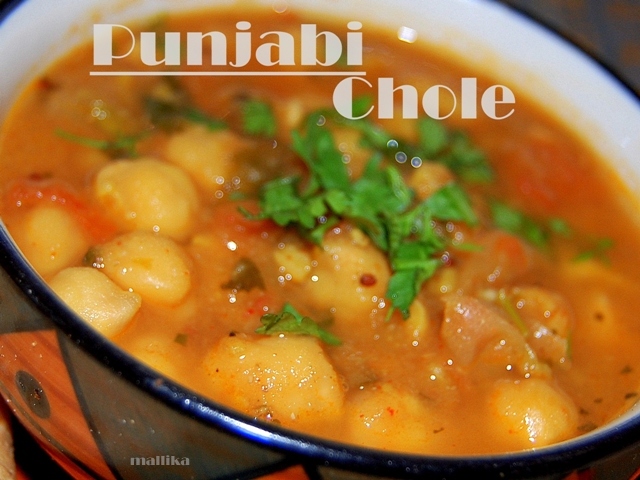
Today, I share with you the recipe for Punjabi Chole. It is guaranteed to leave your taste buds lingering with varied flavors.


Punjabi Chole

INGREDIENTS

250 g Kabuli Chana, soaked overnight
1/2 tsp turmeric powder
2 tbsp Oil
1 tsp cumin seeds (jeera)
2 bay leaves
2 cinnamon sticks
2-3 cloves
2 cardamom pods

Grind to paste the following:

1 large onion
4 cloves garlic
1 inch ginger
1 green chilli

2 tomatoes, pureed
1 tsp deggi mirch /red chilli powder
1 tsp coriander powder
1 tsp cumin powder
1/2 tsp garam masala
1 tsp mango powder (amchur)
A bunch of fresh coriander, finely chopped
1/2 tsp lime juice

DIRECTIONS

Soak kabuli channa overnight. Pressure cook them in ample water (twice the soaked channa), salt and turmeric. Reserve the extra water from the cooked dal.

Heat a kadai/wok. Add cumin seeds, bay leaves, cinnamon sticks, cardamom pods. Fry for half a minute. Donot allow them to brown, they may turn bitter. Add the ground paste and fry for 2 minutes. Add tomato puree next and cook for a minute or two. Now add deggi mirch/red chilli powder, coriander powder, cumin powder, garam masala and amchur powder. Cook for sometime till the water evaporates and you get a thick gravy. Add the boiled kabuli chana with the water. Cover and cook for all the flavors to blend well. Add a dash of lime juice in the end before serving. Garnish with chopped coriander.

Note: If you want a dark colored chole, you can place 2 used tea bags while cooking the channa. This gives a dark colored chole. Along with this you can also add some imli (tamarind paste) for a tang.


Don't be surprised if you see so many paratha recipes on my site. We make a lot of them on regular basis and I plan to share them here soon. Soft and delicious stuffed paratha with a bowl of thick creamy yogurt and pickle is hard to pass. We are huge lovers of all kinds of parathas, be it aloo parathas, methi parathas, gobi paratha, ajwain paratha, mooli paratha, dal paratha (missi roti), the list just goes on... :-)

Aloo paratha is breakfast dish that's basically a flatbread stuffed with spicy potato filling that originated from the Punjab region. The recipe is one of the most popular breakfast dishes throughout the Northern and Central regions of India. The base for any paratha is generally wheat dough used for making Roti, the recipe for which is available on my site. Here's what we need for the filling.

Aloo Paratha

INGREDIENTS

2-3 large potatoes, boiled and skin peeled
1 large onion, finely chopped
2-3 green chillies, finely chopped
1 pod grated ginger
Few sprigs of coriander leaves
1 tsp of cumin/jeera seeds
1 tsp of cumin/jeera powder
Salt to taste
Oil / Ghee / Butter

DIRECTIONS

Mash the potatoes well. I use a grater for the same purpose as I donot get lumps then. Add chopped onions, grated ginger, cumin seeds, cumin powder salt, finely chopped green chillies and salt. Roll to lemon sized balls and keep them aside for filling.

Roll a lemon sized dough to a 6' circle. Smear and spread a little oil at the centre. Keep the potato filling at the centre of that circle leaving enough space at the sides so that the filling can be evenly covered and rolled. Bring the sides of the dough together to cover the filling completely. Roll it to a 1/4 inch thick bread making sure that the filling doesn't come off.


Heat an oiled iron griddle, transfer the paratha to the hot surface allowing it to cook partially on one side. Turn, allowing the other side to cook partially. Now oil the upper surface of paratha facing to you. Turn and allow the paratha to cook. Oil the other surface, turn, cook the other side as well. The parathas are done once they have black spots and look cooked. Drop a blob of butter and serve hot with curd and pickle.


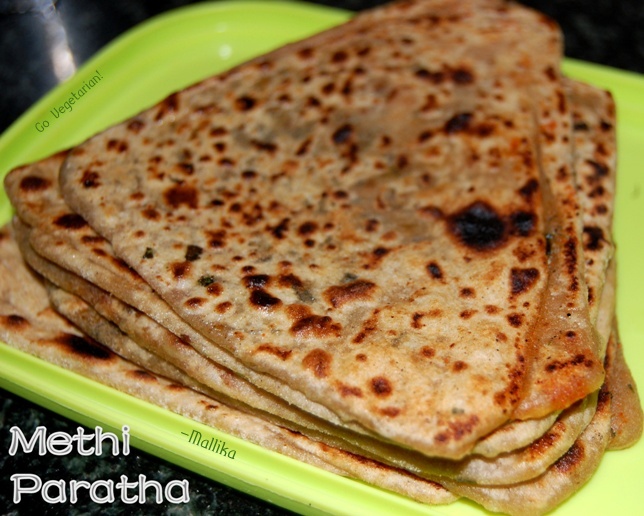
When I wake up every morning, after a cup of hot tea, the next thing that hits my mind is what needs to be cooked for every meal. Sometimes it takes a lot of my time and energy just to think what different I can cook for breakfast/ lunch/ dinner. At times, I have the wheat dough left over from the previous night's dough, it's a good idea to make parathas. Variety of parathas are often made at my home as my better half is quite fond of them. These are often made at my in-laws place and I learnt them all from them. This parathas are for those times when we run out of fresh stocks in our kitchen. Opt for the bunch of dried leaves, they work quick and easy. Today it's turn for Methi Parathas in a different style!

Here's what we need:

1 bunch kasoori methi (dried fenugreek leaves)
1/4 tsp chilli powder
1/4 tsp salt
lemon sized wheat dough (refer Roti recipe to prepare the dough)
Oil/ghee/butter

Roll the dough to a 6' circle. Smear and spread a little oil at the centre. Sprinkle little salt and chilli powder with 1 tsp of kasoori methi and keep it at the centre of that circle. Now, fold the dough to quarters and roll it to flat triangular breads. Heat an oiled iron griddle, transfer the paratha to the hot surface allowing it to cook partially on one side. Turn, allowing the other side to cook partially. Now oil the upper surface of paratha facing to you. Turn and allow the paratha to cook. Oil the other surface, turn, cook the other side as well. The parathas are done once they have black spots and look cooked. Serve hot with curd and pickle.

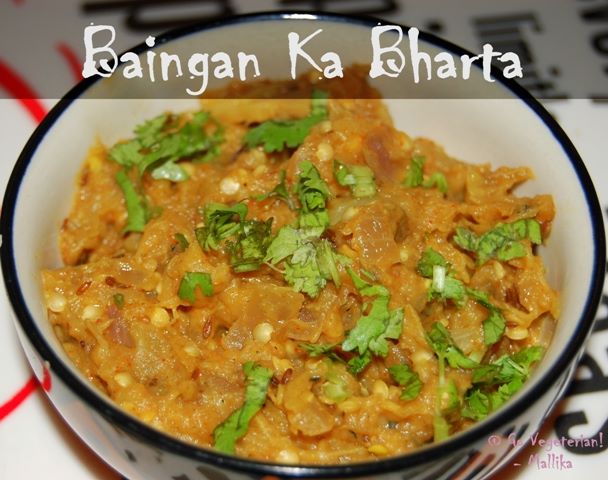
Aubergines/eggplants, commonly called as Baingan in hindi is one dish which most Punjabi folks love. In this dish, the eggplants are roasted on fire till their skin is charred. I think this charring is what gives the dish a distinct flavor. It's unique and is sure to be loved by all!

Baingan Bharta

INGREDIENTS

1 large eggplant
1 medium onion, finely chopped
1/2 cup chopped coriander leaves
4 green chillies, chopped finely
1 1/2 tsp dhania-jeera (cumin -corainder) powder
1 1/2 tsp red chilli powder
1/2 tsp turmeric powder
1/2 tsp amchoor(mango powder)
Salt to
3 tbsp cooking oil


DIRECTIONS

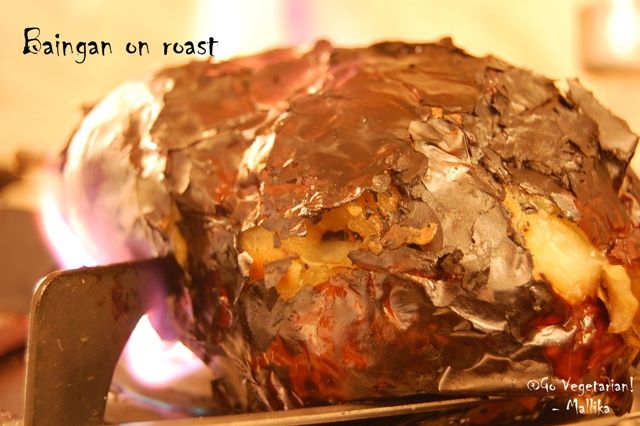
Rub 1/2 tsp oil on the eggplant and bake in an oven or on a gas stove till the skin shrinks and the liquid starts oozing out of the vegetable. I did it on a stove top. Cool and peel it. Mash the eggplant and add the salt to it.

Heat the remaining oil and add the chopped onion. Fry till the onions turns translucent. Add the green chillies and fry till the mixture blends well. Now add all the spices and fry for a minute. Add the mashed eggplant and mix well. Add the chopped coriander leaves and some water to get a thick consistency. Mix well and heat through. Another variation is to add a cup cooked green peas. Serve when hot with plain rice/paratha.


Just a week ago, my hubby dear cooked a fabulous dish out of ridgegourd, commonly called as Turai in Hindi. This came as a surprise to me as he is a complete novice when it comes to cooking. He can barely make tea or heat milk and that's it! So you can imagine, how amiably I was surprised as I was greeted home from work with the aromas from the kitchen lingering around the house. I asked him how he managed to make such an elaborate curry painstakingly (I believe he ground the spices before cooking this). With a gleam in his eyes, he said it was the magic of technology... the internet! I am sure he must have spent hours making this! I am still wondering what spices went into it as it tasted mild and very flavoursome. I managed to capture it on my camera before I indulged in it!


Not sure if it was an invention or a discovery! But I can't help to think how different our eating styles would have been without the existence of curd. I am a curd addict. My meal somehow doesn't seem to be complete without ending with a cup of curd. Just a cup of plain curd. No salt, no sugar. Curd compliments any Indian meal, be it north or south, east or west. Not just eaten as it is, for those who don't like it in it's true form, there are various recipes that use curd like Punjabi Kadhi, Sindhi Kadhi, Raita, Papad ki subzi, Dum Aloo, Aviyal, Majjige Huli, Dahi vada, Dhokla, various Indian chats, Jalebi, Srikhand, etc... list just goes on! It gives a creamy richness the healthy way.

Today, I bring forth a very common North Indian recipe, Kadhi. This one is quite commonly made by my mum. I learnt it from her. I have not yet shared the basic Kadhi recipe which is much simpler than this one. This one requires the following:

Kadhi

INGREDIENTS

Roughly mince:
A pod of ginger
A sprig of coriander
1 hot chilli

1 cup curd/buttermilk
1/4 cup besan, chikpea flour
1 cup water
Chilli powder to taste
A pinch of hing/asafeotida (a must)
A few curry leaves
1/2 tsp. turmeric
1 tsp. oil or ghee
1/2 tsp. mustard seeds
Salt

DIRECTIONS

Mix the besan for the kadhi with the buttermilk. Add salt, chilli powder and the minced paste to the same so that they mix well. Heat oil. Add the mustard seeds, curry leaves, turmeric and hing and then pour in the liquid. Add the water and let the whole thing simmer till the raw taste of besan is gone. If the water has evaporated by now do add more water. Consistency of kadhi differs depending on you. Generally, kadhi is done when it's thick enough to stick to the back of the spoon. Enjoy this dish with rice.


You must have heard of Methi Malai Paneer, Methi Mutter Malai and similar other names. Very commonly available in most Indian restaurants. Today I bring forth Methi Malai Soya. Yes! Heard it right! It's with Soya chunks. All of us know the health benefits of soya and that it is protien rich. Here it's coupled with greens (fenugreek leaves) and made creamier with malai (cream). This dish is yummy and you are sure to lick your fingers till the end.

Methi Malai Soya

INGREDIENTS

Grind to paste:

1 Onion
A pod of ginger
1 Chilli

Other ingredients:

1 cup soya chunks
1 cup methi/ fenugreek leaves
1/4 cup malai/ milk cream
1 cup fresh tomato puree (2 tomatoes)
1/2 tsp Garam masala
1 tsp chilli powder
1 tsp cumin powder
1 tsp coriander powder
1 tsp cumin seeds
1 tsp amchoor/mango powder (optional
Oil
Salt

DIRECTIONS

Boil and cook soya chunks in water and salt for 5-10 mins till soft. Cut them in halves if too big (so that they absorb more gravy). Keep them aside.

In a wok/kadai, heat oil, add cumin seeds and let them splutter. Add the ground paste to it and cook for 5 mins on low flame with continuous stirring. Then add the tomato puree following the other dry powders except mango powder. Cook for 2 mins and then add the soya chunks and fenugreek/methi leaves. Cover the lid, cook for 10 mins so that the gravy is absorbed. Add fresh cream and cook for another 5 mins on low flame with closed lid. Cream gives some sweetness to the dish. If you want a slight tang, add amchoor/ mango powder. It's optional. I added a pinch to mine. And if you prefer more gravy then add water. Garnish with coriander leaves and serve hot with roti or pulao.


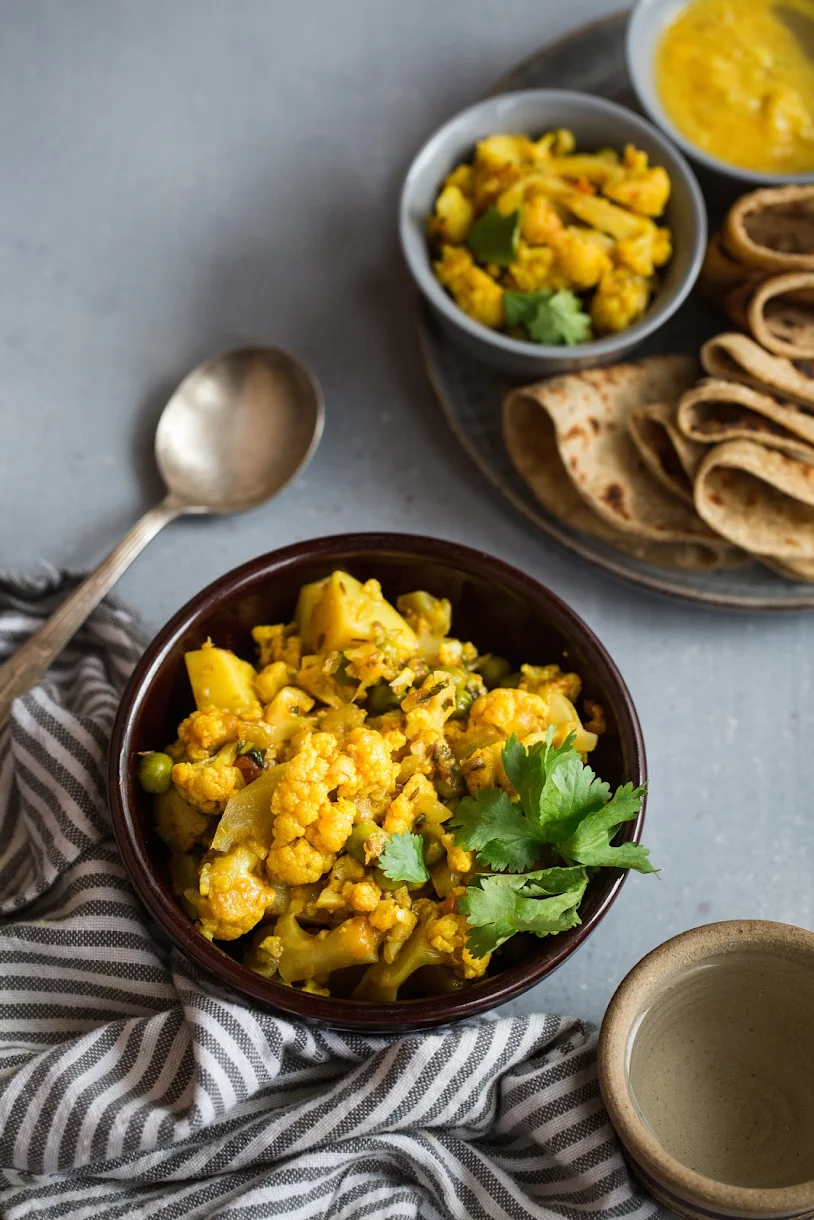
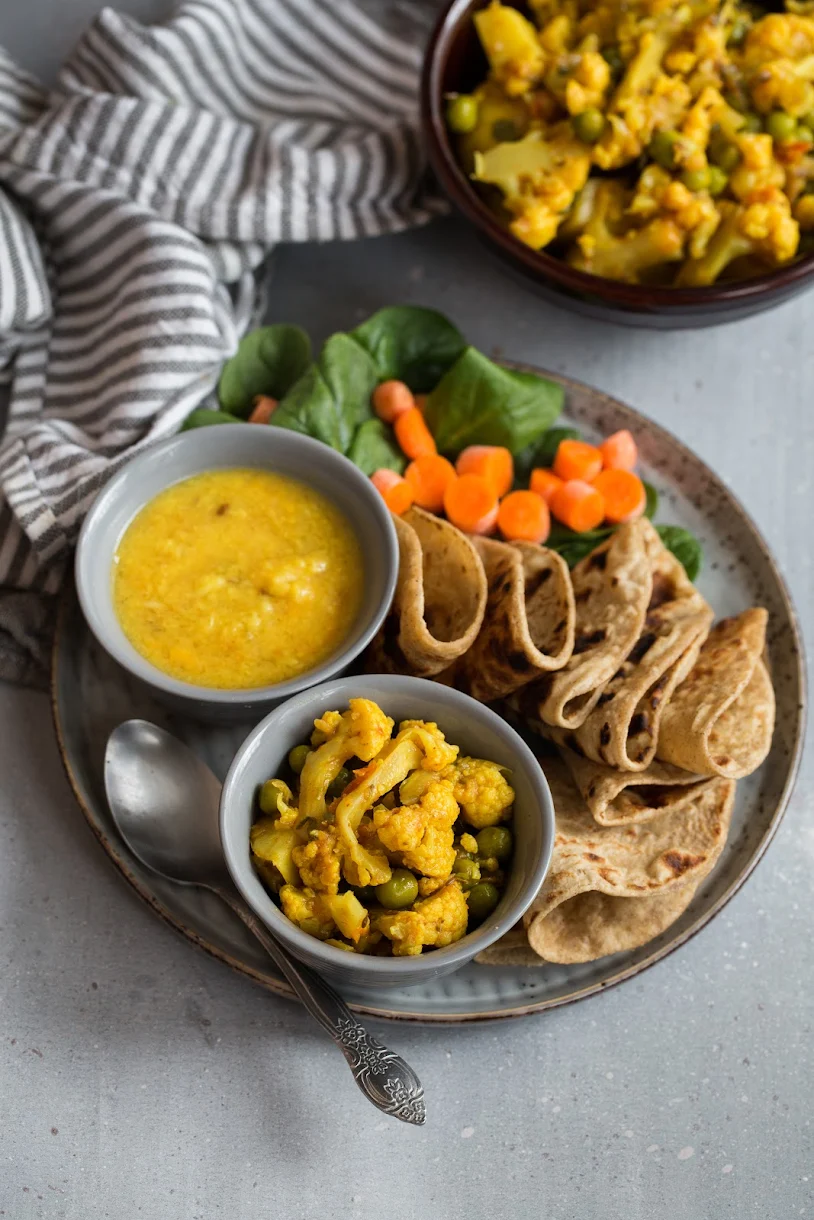
Aloo Gobi. A delectable marriage of potatoes and cauliflower florets, spiced with Indian herbs and spices. Pair it with rotis (Indian flatbread) or enjoy as a side with simple dal-chaawal, it makes up for a healthy, satisfying meal. Back at my mom's place, cauliflower has a bad reputation of being grown in a toxic, fertilizer and pesiticide ridden environment, so it was brought home rarely, except on occasions when pulao was made or we hosted parties. My mom would make a really good Aloo Gobi and this was one of her must have party dishes that would please the guests. After marriage, I was introduced to a Punjabi version of Aloo Gobi/ My mother-in law-makes a fabulous one, that's spicy and typical of Punjabi Aloo Gobi, one of my all time favorite. Cauliflower is an easy vegetable to work with, also generally loved by all. As children, we would often play around with cauliflower when it was prepared for the meal, it's florets fascinating us into play, as if we were eating mini-trees!

This is my take on the Aloo Gobi. A subtle deviation from what my mom and my mother-in-law make. It's has earthy ginger tones, has deep flavor of coriander-chilly, which I think is a amazing combination and can be adapted to many other recipes, such as potato-cabbage or mixed vegetables. You can go as spicy as you like or just leave it mild. This one will be most loved if one adores spicy food. Here's the recipe for Aloo Gobi.


Punjabi Aloo Gobi

INGREDIENTS

Grind to rough paste:
Half a cup chopped coriander leaves
1 cube ginger
2 green chillies

Vegetables:
1 cup square cut boiled potatoes
1 cup cut cauliflower
Half a cup peas/mutter (optional)

Other Misc Ingredients:
1 tbsp oil
1 tsp jeera/cumin seeds
1 tsp turmeric powder
1 spn garam masala
1 tsp red chilli powder
1 tsp coriander powder
1 tsp cumin powder
A pinch of amchur powder (mango powder)
Salt as per taste

DIRECTIONS

Heat oil in a kadai/wok. Allow cumin seeds to splutter. Then add the cut cauliflower, boiled potatoes and peas into the pan. Once the vegetables are almost cooked, add salt, turmeric powder, coriander powder, cumin powder, garam masala, amchur powder and chilly powder. Add the ground paste (grind coriander leaves, ginger and green chillies into paste) to the cooked vegetables. Cook for another 10 or 15 mins. Sprinkle with remaining coriander leaves and serve hot with Naan or Pulav.