Showing posts with label Curries. Show all posts

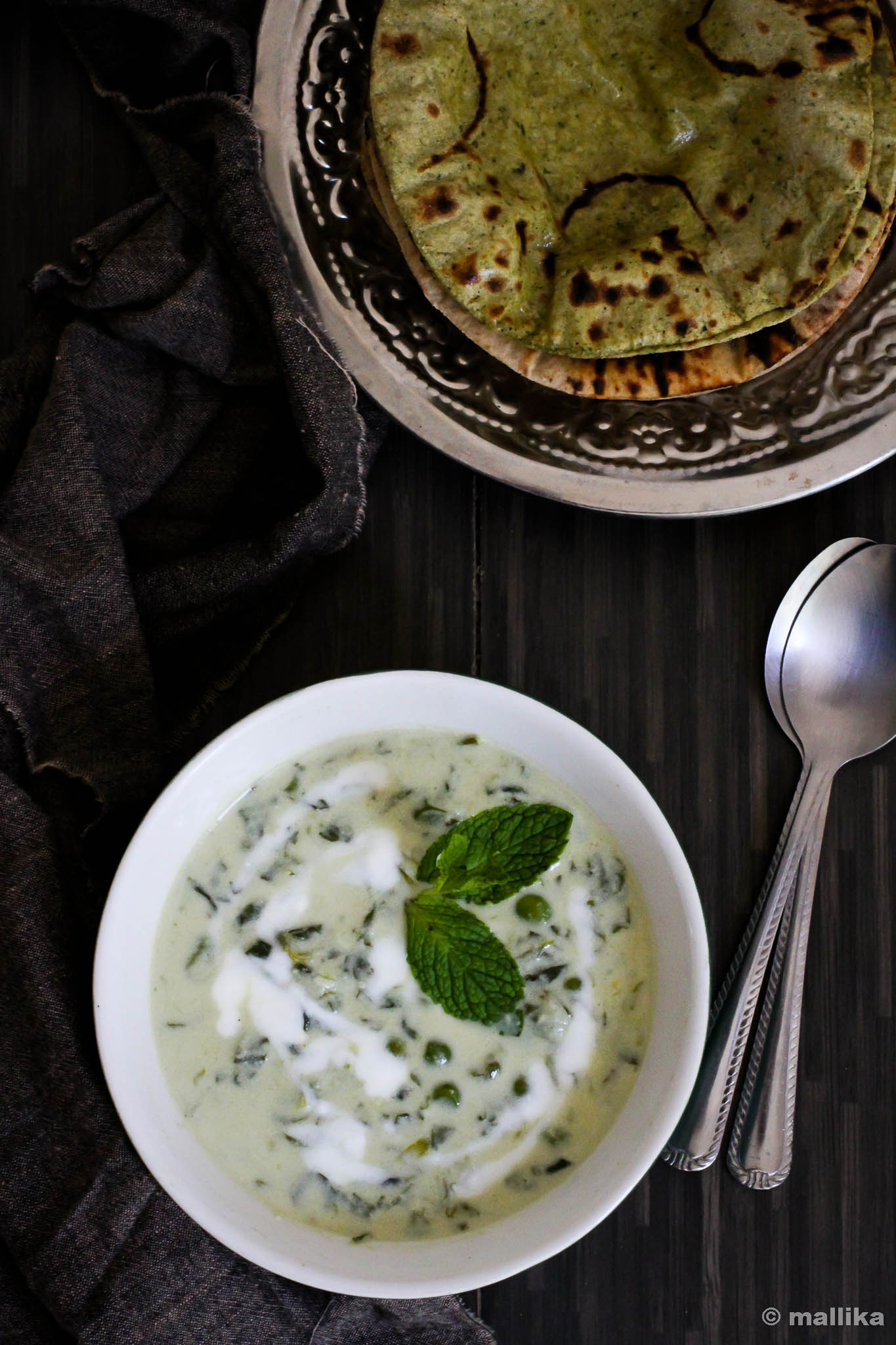
BasaLe Soppu HuLi

How to make BasaLe Soppu HuLi| BasaLe Soppu Kodhel | BasaLe Soppu Sambhar
Homely, rustic and vastly organic. This is the kind of comfort food we grew up eating, often made from easily available farm grown wilds and greens fetched from aunt's estate, grandma's gardens and at times home-grown. I made this dish to bring back fond memories of a part of my childhood spent in the serene small town where convenience to such wild greens was in sheer abundance and was often subjected to lack of appreciation. And so much more to apologize myself for hating this dish through my growing up years. I remember disliking these greens in particular, eating them with puckered brows every time they made an appearance on the table, because my mom never spared cooking even those thick stalks of these creepers every time she lay her hands on them. I have seen dad relish them with relentless penchant. They were probably their favourites, rest assured they were not mine.

But now, it seems like ages since I had a chance to taste BasaLe Soppu or commonly called Malabar Spinach. The Malabar Spinach, also known as Red Vine Spinach grows abundantly in humid weather conditions. It has wide heart shaped leaves with soft-stems that grow into creepers. Despite my dislike for them through my growing up years, I missed them ever since I moved to Bangalore. I have never seen them around here where we live. If someone offered me this dish now, I would probably tag them 'exotic'. As kids, we were told these are healthy and have a great source of nutrition. But it's only now that I have learnt to appreciate those thick stalk-y chews of these wild creepers.

Homegrown BasaLe Soppu

(Pictured above, a lone creeper of Kempu BasaLe Soppu in midst of home-grown mint leaves)

A while ago, I grabbed a budding Malabar Spinach plant from a nursery on our trip back home. A handful of budding leaves on a stalk is all it stood with. Before I could let them grow and spread their wings, my impatience to revive my childhood memories with this dish took control over me and I went on a chopping spree. What remains now is a single barren short stalk that is making its way to climbing, twining, and creeping along another stem. As I patiently watch it grow to nurture new leaves, which will probably take a couple of months, I have a strong sense of excitement of using these home grown leaves in this home styled traditional recipe today. I hope you enjoy them as much as we did.

BasaLe Soppu Kodhel_1


Basale HuLi

INGREDIENTS:

1/2 cup Basale soppu (Malabar spinach / Red Vine Spinach)
1/2 cup togaribeLe / tuvar dal (pigeon peas)
1/2 tsp. turmeric powder
3 tbsp. kottambari beeja (coriander seeds)
10 + 2 Byadagi red chillies
1 tsp. hing (asafoetida)
1 tsp. jeerige (cumin seeds)
1 tbsp. kadale bele (split bengal gram)
1/2 tsp. menthya (fenugreek seeds)
1/2 cup grated raw coconut
Lemon sized tamarind
1 tsp. coconut oil
1 tsp. jaggery
1 tsp. mustard seeds
A sprig of curry leaves
Salt to taste

DIRECTIONS:

Wash and cook the togaribeLe/pigeon peas in pressure cooker along with turmeric till they are soft and mushy.

In a thick bottomed pan, dry-roast the coriander seeds, cumin seeds, methi seeds, split bengal gram, hing with about 7-10 red chillies till they are fragrant. Remove from heat and allow them to cool. Grind them to a fine paste with a handful of grated fresh coconut and tamarind. Set aside.

Wash the Basale leaves, along with their tender stalks. Chop them into small pieces. In a wide mouthed pan, cook the leaves and stalk in some water. As the leaves wilt and the stalks are cooked, add the cooked dal to this along with the freshly ground paste, a cup of water and bring to a rolling boil. Add a tsp. of grated jaggery along with salt to taste. Adjust the consistency of this huLi by adding more water to your taste and preference.

For the seasoning, heat a tsp of coconut oil in a wok. Fry the mustard seeds till they splutter. Add in torn curry leaves, hing and 2 broken red chillies. Fry for 30 sec and turn off the flame. Add this seasoning to the prepared huLi. Serve hot with steaming hot rice.

BasaLe Soppu HuLi_1


Late part of the year is when I love the most with the seasons changing pleasantly. Mornings get colder than it has been since through the year and it feels comforting to snuggle underneath the blanket a little longer to catch up a few extra mins of sleep. Thanks to the Eastern winds, the showers we had in the past couple of weeks from the Bay of Bengal have given a warm welcome to misty mornings and cold nights.

Winters are here and I get a feel of Decembers' already. And unintentionally though, I have stayed away from baking from past couple of weeks, my reservations have been to make full use of my oven for Christmas and I definitely intend to post a few baked goodies for the year end celebrations. At the moment my kitchen has been busy churning out simple hot meals, mostly to satisfy our cravings for comfort home food.


I love my Sundays, don't we all do? Being home with family and enjoying a humble home cooked meal with them is the best way I love to spend my day off. While hectic week at work goes at a slow pace, my weekends seem to breeze through like a blink of an eye. Before I realize the weekend is over, Monday is already in... and I hate being hit by Monday Blues... Don't mistake me, I love my work, my job is great and my company treats me well, no complaints at all. What I dislike are those tiny tit-bit tasks at home I need to rush at and complete ahead of time... boil milk, pack lunch, clean up the kitchen, dress up my baby, see her off, they sound simple as if they don't buy any time, but indeed they do and fairly lot.

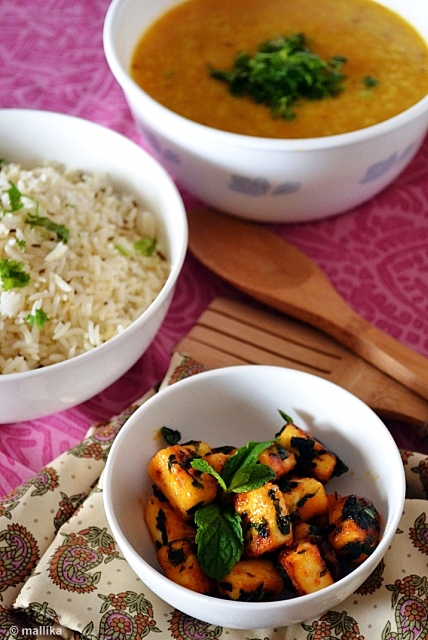
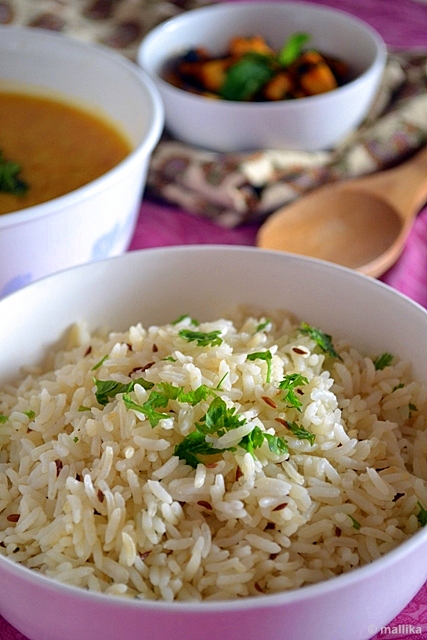
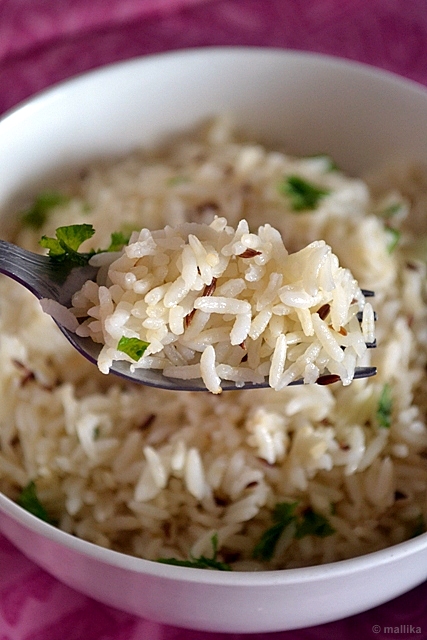
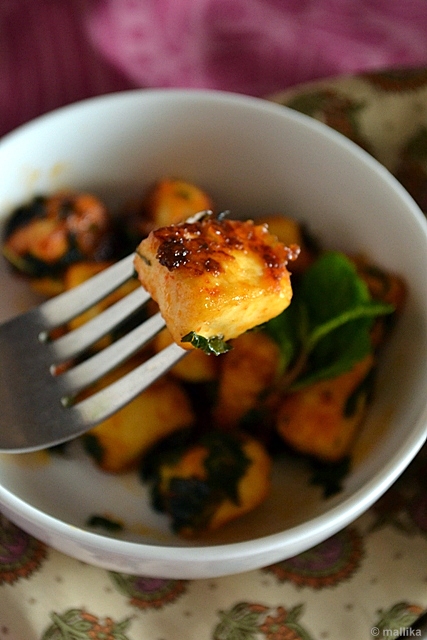
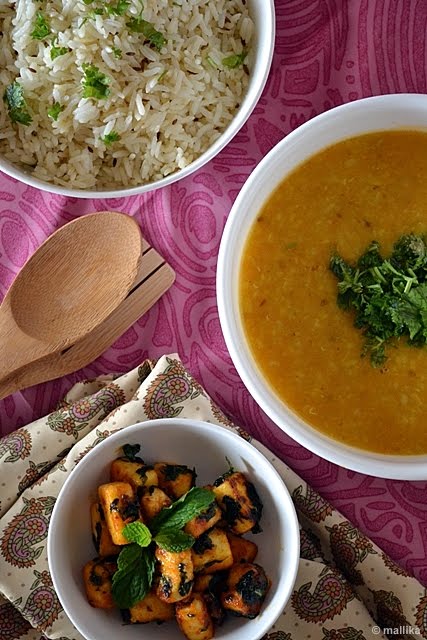
And that's probably the reason why I have learnt to value my weekends lot more. Late breakfast and lunch on weekends are a usual trend these days. I do my best to feel relaxed and thoroughly enjoy my Sundays by soaking up some sun, a morning chai, a brisk walk that leaves me fresh with some quality time for myself. Lunch has becomes a simple affair ever since my baby started off with her solids, solely because our focus right now is her growth. She demands an unswerving attention and it gets tough on our nerves to multitask constantly. By all means, I still try to make a simple meal sound exotic, like infusing the aromatic Jeera Samba rice with lightly ghee roasted cumins to transform it to flavorsome Jeera Chawal. I paired this with the healthy Moong ki Dal and Grilled Paneer (Cottage Cheese) which is mildly spiced and flavored with hints of mint, after all weekends ought to be different than usual.


Jeera Chawal with Moong ki Dal and Grilled Pudina Paneer

Jeera Chawal

1 cup Jeera Sambha rice / Basmati rice
2 cups water
1 tbsp fresh clarified butter (ghee)
1 tbsp cumin seeds (jeera)
Salt to taste

Wash and clean the rice in flowing water and soak it in water for 15-30 mins. In a thick bottom pan, fry cumin seeds in a tablespoonful of ghee. Drain the water and add in soaked rice to this and fry lightly for about 3-4 minutes. Add in 2 portions liquid to every portion of rice. Add salt to taste. I use a rice cooker to cook my rice and in 20 minutes, the rice is perfectly done. Alternatively, you could use a heavy steel utensil and let the rice simmer for 20 minutes covered without disturbing it. Turn off the flame, keep it covered for sometime and use a fork to gently swirl the rice. Handle the rice gently, garnish with chopped coriander if required and serve hot.


Moong ki Dal

1 cup Moong dal
1 tsp turmeric powder
Salt to taste

For tempering

1 tbsp ghee (clarified butter)
1/2 tsp hing
1 tsp jeera / cumin powder
1 tsp coriander / dhania powder
1 tsp fenugreek / methi powder
1 tsp chilli powder

Cook one cup moong dal in three cups of water till mushy. Add turmeric to this for faster cooking. Once the dal is cooked well, add in salt to taste.

Prepare the tempering for the dal. Heat some ghee in a wok/pan and add in the dry masalas mentioned above. Fry for a quick 30 seconds till the spices turn aromatic. Do not let them burn. Add this to the prepared dal and garnish with coriander leaves and lime if preferred. Serve hot with rice.


Grilled Pudina Paneer

200 gm Paneer (Cottage cheese)
1 tbsp Tomato chilli sauce
Handful of fresh mint leaves
1 tsp cornflour

In a wide bowl, crush handful of fresh mint leaves in tomato chilli sauce along with a teaspoon on cornflour. Add cubes of diced paneer to the prepared sauce and allow it marinate for a few minutes. Drizzle a little oil over the marinated cubes and grill it for 10-12 minutes or till they brown. Flip the cubes and grill the side to golden brown. If you don't have a grill pan/oven, you may use the regular tava to do this. Serve hot with Jeera Chawal and Moong ki Dal.


Having grown up eating jackfruits as a teenager, it takes me down my memory lane when monsoon months from June to August often greeted us with delicacies of jackfruit, a fruit which people either love most or hate most. While I come in the range of former ones, I know few who can't stand it for it's unique taste.

It reminds me how often my dad would sit down on floor with a massive oiled knife to tear apart the pine skulled fruit, while mom peeled and stoned the fruit and my little sissy and me, as children would surround him to grab those fleshy ripe fruits off and relish them unendingly. And dad would do this task with immense love and passion. The huge jackfruit, often fetched from farms of my uncles and aunts was undoubtedly the most organic, fresh and the best ones we ever tasted.

The fruit is so versatile in use that it can be consumed either in raw form in cooking curries and savories or ripe in Indian sweets. Even the stony seeds are delicacies to the ones like me. Variety of dishes are made from the flesh of jackfruit, common ones like palya, huli, gashi, kadabu, dosa, idli, appam, papad, chips, etc. And even today, whenever I do get a chance, I love to hog on my amma's food. Well, I depend on her heavily for these traditional recipes.


It's a season of jackfruits and I can't get a better post than this one for this season. For the one who's not introduced to this fruit, jackfruit is a very tropical fruit commonly grown and consumed in the Western coastal belts of India.

Gujje Palya (Raw Jackfruit Stir-fry)

INGREDIENTS

1 cup raw jackfruit
3-4 whole red chilies
1/2 cup fresh grated coconut
Lemon sized tamarind
1 tsp mustard seeds

Tempering:

1 tsp oil
1 tsp mustard seeds
1 sprig of curry leaves


DIRECTIONS

Wash and clean the jackfruit. Remove the external core skin. Pit the seeds and chop the flesh into small pieces. This can be a little tedious task if you are a first timer. My grandma is excellent at this and I have a lot to learn from her.

Pressure cook the chopped raw jackfruit pieces with salt and tamarind on 2 whistles. Meanwhile, prepare the spice paste.

Grind together fresh grated coconut, whole red chilies and a tsp of mustard seeds. The ground mustard seeds impart a tangy spice to the dish, which I love the most. Keep this ground paste aside.

Heat some oil in a wok. Add mustard seeds and a sprig of curry leaves. When they begin to splutter, add the cooked jackfruits and stir fry for a minute or two. Then add in the ground paste. Allow the liquid to evaporate a little and cook on slow flame for another 2-3 minutes. Turn off the flame and transfer to a serving bowl. Serve hot as a side dish with rice or rotis.


With my post on Date Walnut Muffins, I had promised that I would list 10 things that make me happy. Here it goes...

1. Cooking and Baking of course! (Can I dare ignore that???)
2. Every cozy moment spent with my husband :) (undoubtedly, it makes me happy!)
3. Being back to MY home after work and being warmly greeted by my hubby's smiling face (oh! what a stress buster!)
4. That each day has gone by on a positive note (yeah, it's important to me that my family and me are in their best of the days, health and happiness)
5. Good food (My 4th sense is has a strong leniency towards appealing good food. That's been more off late!)
6. Travelling to discover new places (that's an inheritance from my hubby dear!)
7. Blogging & Photography (a good blog and great food photography makes me feel real good!)
8. Watching Travel & Living and NDTV Good Times (I am hooked to it from past few years ;))
9. Walking to a book store, picking up a cookery or a painting book and just flipping through pages without any one disturbing! (Often wish, there's a couch to sneak into!)
10. Desserts (I know it's too far to position it the 10th, best for the last! I can't tell you how soothing a good dessert is to my senses!!! It indeed is! )


Indian curries are not as difficult to make as it is often assumed. There are few basic and common ingredients which you may have to stock in your pantry, like the coriander powder, cumin powder, garam masala (mélange of different spices), turmeric powder and chilli powder. You can win a crowd with just these basic stuffs. If one is a spice lover, then do not hesitate to extend yourself to add whole spices like cinnamon, cloves and cardamom, which can further add piquancy to the dishes.

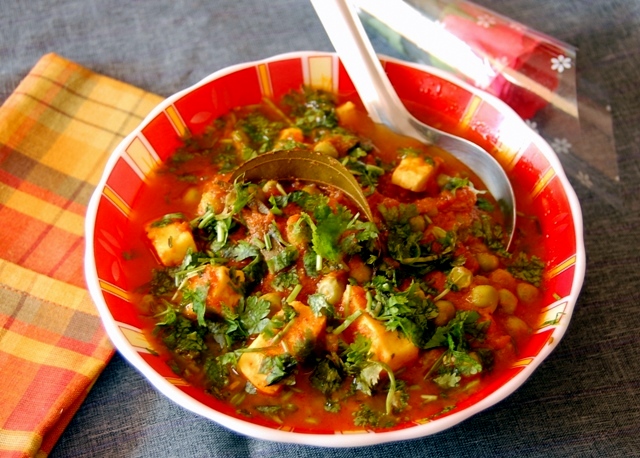
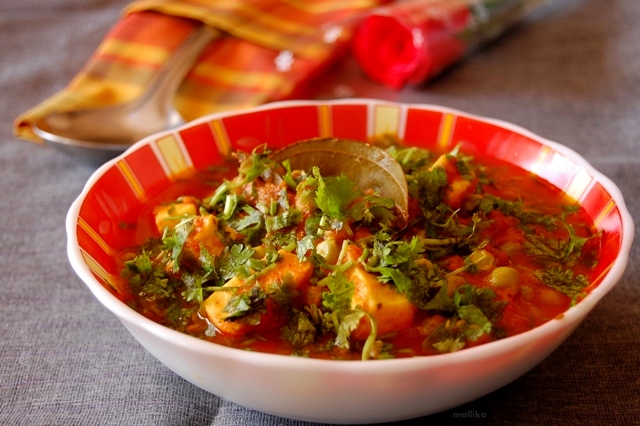
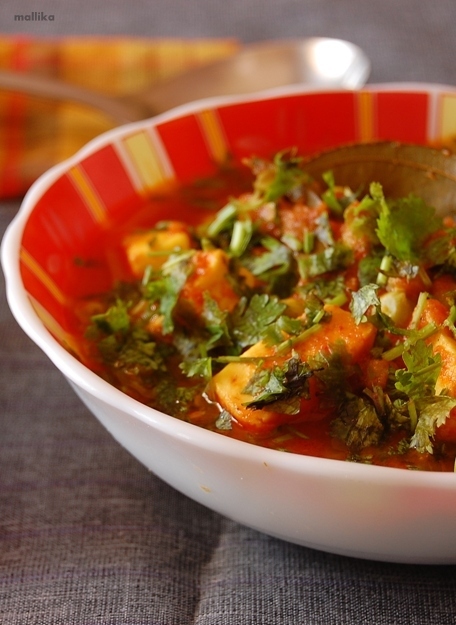
Mutter Paneer is one such aromatic, spicy Punjabi curry made from Indian cottage. Paneer is just a simple homemade Indian cottage cheese which made without any aging. It's also a good alternative to use left over milk. Simple method to prepare it is by curdling heated milk with lemon juice or other food acids like vinegar. Curd and whey are allowed to stand and separate after which it is strained and squeezed from whey to form a colloidal solid curd mass.

This dish is probably one of the most frequently ordered dish in Indian restaurants. Most restaurants use full cream and mono-sodium glutamate, making the dish creamy and heavy. Although the taste would differ a little when made at home, it is still adorable and endearing delectable.


Mutter Paneer

INGREDIENTS

200 gms paneer cubed
250 gms shelled peas
3 medium tomatoes, pureed

Whole Spices:

1 tsp cumin seeds
2 bay leaves
A stick of cinammon
2 cloves
2 cardamoms

Dry spice powders:

1 tsps coriander powder
1 tsp cumin powder
1/2 tsp garam masala
1/2 tsp turmeric powder
1 tsp chilli powder

2 tbsps of oil
1 1/2 cups water
Salt to taste
Coriander leaves chopped fine to garnish

Grind to paste:

2 medium onions
1 tbsp ginger
1 tsps garlic
1 green chilli


DIRECTIONS

Fry or roast the cottage cheese (paneer) for few minutes till it has browned lightly on both sides. Drain and keep aside.

Heat the oil and fry the cumin seeds, bay leaves, stick of cinammon, cardamoms and cloves for few mins. Next add the ground onions paste for a minute or two till lightly brown. Now add the tomato puree and fry for a little while till you see oil leaving on the sides. Add in the dry powders, the salt and fresh cream (if required) and let it simmer for a few minutes. Now add the green peas and the fried paneer. Garnish mutter paneer with freshly chopped coriander leaves.

This recipe may look complicated, but it is not at all. It is just about having a stock of all the right ingredients. As I mentioned, since we love spices, I tend to use whole spices to add more spicy flavors to the dish. You may avoid them if preferred. In case you do not have the whole spices, increase the quantity of garam masala for spice. They would still be good. Addition of about 2 tbsps of heavy cream to this dish makes it rich and creamy. I skip on fresh cream and only use it occasionally. This dish is good with roti or basmati rice.


I dislike my fridge being loaded with tit-bits of this and that and when I do often find them mortifying in some corner of the fridge it brings agony to my face. You see, I cook food sufficient to be consumed and finished in maximum of two meals. I dislike eating the same the third time. This leaves me with more work, more of chopping, cooking and cleaning, but at the end the meal is more satisfying. Atleast, I know I enjoy every bit and bite of it :) Considering that I do often have leftovers of many raw vegetables in my fridge often. My best way to use common vegetables like carrot, beans, capsicum, peas, etc is by pairing them with sweet corn cobs. They couple very well with these veggies and add subtle sweetness to this dish. And to go a bit off track with the regular garnish of coriander leaves, I opted for dill leaves which doubly enhanced the flavors.


Mixed Vegetable Curry

INGREDIENTS

1 medium carrot
10 beans
1 medium capsicum
150 gm sweet corn kernels
1 onion
1 potato
1 tsp grated ginger
1 tomato
1 tsp oil
1 tsp cumin
1 tsp red chilli powder
Salt to taste


DIRECTIONS

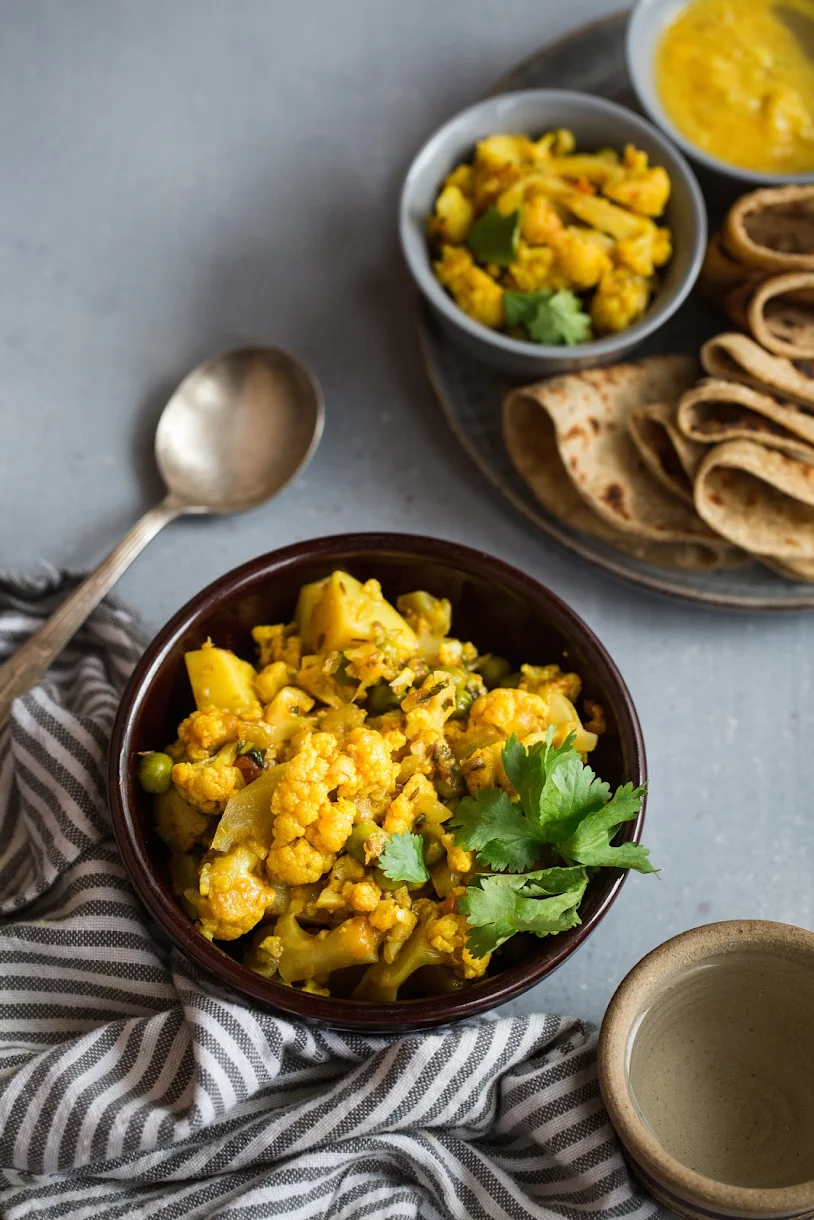
Wash and chop all the vegetables to medium to small bite sized pieces. Heat oil in a pan. Let the cumin splutter. Add onion and grated ginger. Fry till the onions are translucent. Add potatoes and fry next. Once they are partially cooked, add tomatoes and stir for sometime. Next add carrots and beans. Allow to cook for 2-3 mins on medium heat. Then the capsicum and sweet corn kernels. Add the salt and chilli powder and cover with lid and allow to cook for a few mins. Check for the vegetables to be just cooked. Once done add in finely chopped dill leaves and remove from the stove. Transfer to the serving dish and garnish with dill leaves. Serve hot with phulkas or rice.

Wasn't that simple and an easy!


As kids, I remember we often hosted dinner parties at home. It would either be dinner parties hosted at home or get-together at a company club house. Parties would be hosted by dad's bosses or colleagues or by us. These parties were quite common at our home.

They meant bouts of excitement and preparations, from discussions over menu to preparations and stocking of ingredients, from bringing out the best crockery sets to laying the table cloth, from circulating the drinks and snacks to arranging the buffet table, from serving food to ending with desserts, every bit of it would incite us. It meant chirpy laughs, giggles over talks, hearty jokes over home cooked food posed to liven up the evening.

This brings back my memories on how amma's food would be loved and appreciated in these gatherings for the care she took in cooking, dressing and decorating them and finally coax to eat beyond they could! One of her mastery was over Koftas and they were always a hit among all. I tried recreating that magic in my kitchen recently. They were simply too good! My hubby dislikes lauki and when I served him these koftas, he wasn't aware of what went into it's main ingredients ;) As he was indulging in these, he quaintly asked me what it was made of. When I replied that lauki went into it, he was zapped! He never expected that lauki could taste this good! I think I managed to change his resentment towards bottle-gourd since then.


Lauki ka kofta

INGREDIENTS

1 medium sized lauki/bottle-gourd
1/4 cup besan/chickpea flour
2 medium sized onions
2 tomatoes pureed
1 tsp ginger garlic paste
1 tbsp oil
2 tsp Kashmiri mirchi powder
2 tsp dhaniya/coriander powder
2 tsp jeera/cumin powder
1 tsp garam masala
2 elaichi/cardamoms
2 laung/cloves
1 dalchini/cinnamon stick
2 green chillies
2 tsp of malai/cream
Salt to taste
Few almonds and cashews soaked in warm water for 15 mins
Coriander leaves to garnish


DIRECTIONS

Prepare the kofta:

Wash and clean the lauki/bottle-gourd. Grate it. Squeeze as much water as possible out of lauki. Save it aside as it can be added later in the gravy. Add the chickpea flour, little ginger garlic paste, 1/2 tsp red chilli powder, 1 tsp of coriander cumin powder and salt. Mix well and shape into lemon sized balls. Flatten them if you like. Deep fry the koftas to golden brown over medium high flame. Keep the koftas aside so that it can be added to the gravy as required at the time of serving.

For the gravy:

Pulse the green chillies, onions, cloves, cinnamon, cardamoms, almonds and cashews in a mixer to a fine paste. In a pan, heat the oil. Add the ground paste and fry for few mins. Next add the tomato puree and fry for some more time till the oil floats. Add the dry masalas like the cumin coriander powder, garam masala, red chilli powder and fry for some more time. Add a cup of water and adjust the thickness of the gravy depending on you taste. Once the gravy comes to a boil, simmer it for about 5 mins and allow the flavors to blend well. Finally add in the fresh cream. At the time of serving, arrange the koftas in a serving dish and dress it with the prepared gravy on top of these koftas. Garnish with fresh coriander leaves and serve it hot.


I served mine with hot parathas.