Last month, when everyone was busy counting down days for Christmas and gearing up for year end celebrations, I was out in Pune, spending a fair share of December in a city familiarly unfamiliar to me. Familiar, because any Bangalorean can best draw similarities to this city. Its traffic, roads, breadth of the city, the weather, all so similar. Unfamiliar, because this was my first time here. Its language, people and directions, so unfamiliar. I spent weekdays at my desk, busying myself between colleagues, emails and phone calls, and sightseeing the city on weekends. I will give you a glimpse of Pune through my eyes in my next post, and I promise on that; but for today, I have something more to share. Its a bit of what I had been procrastinating for a while because of my wrung out busy life.
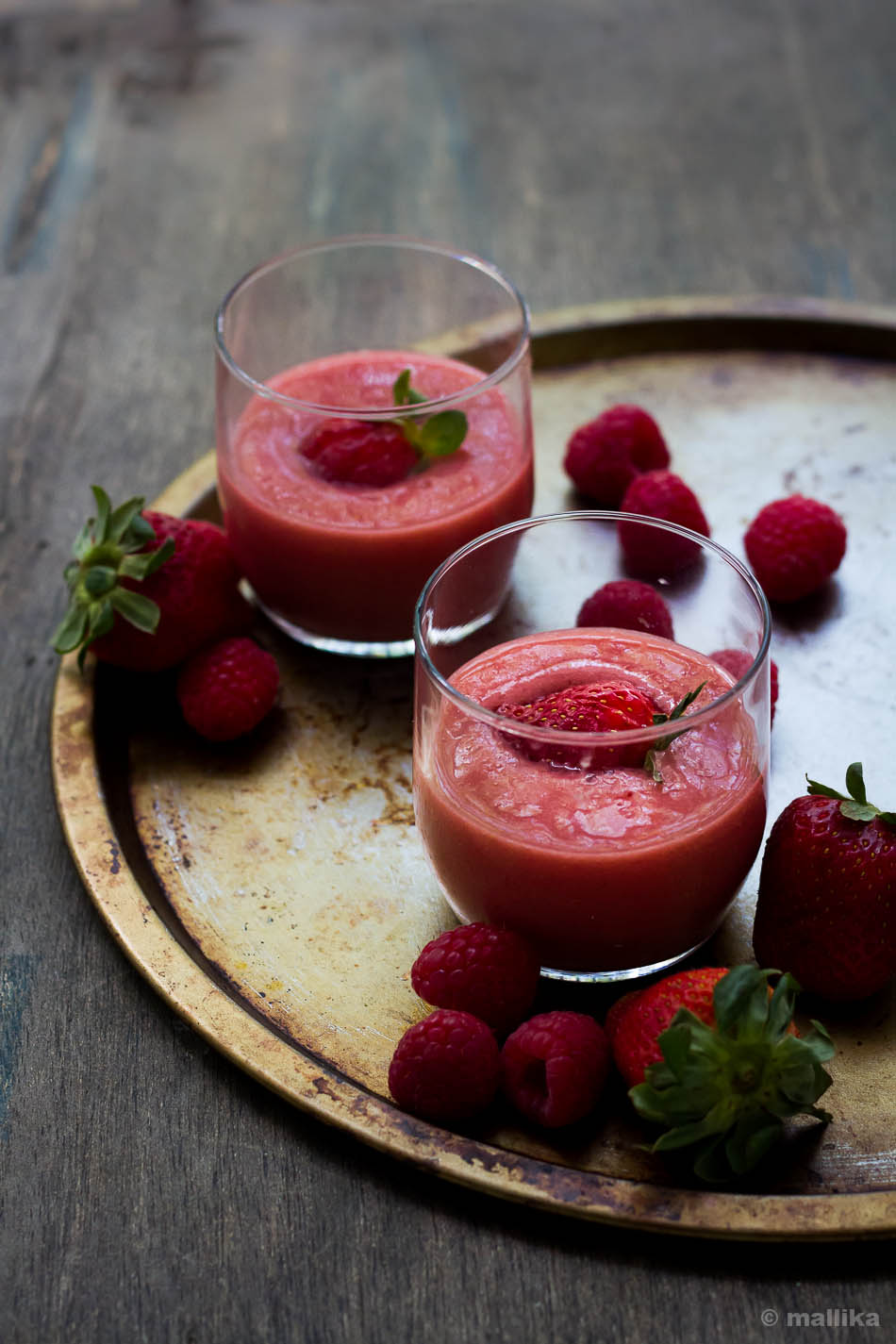
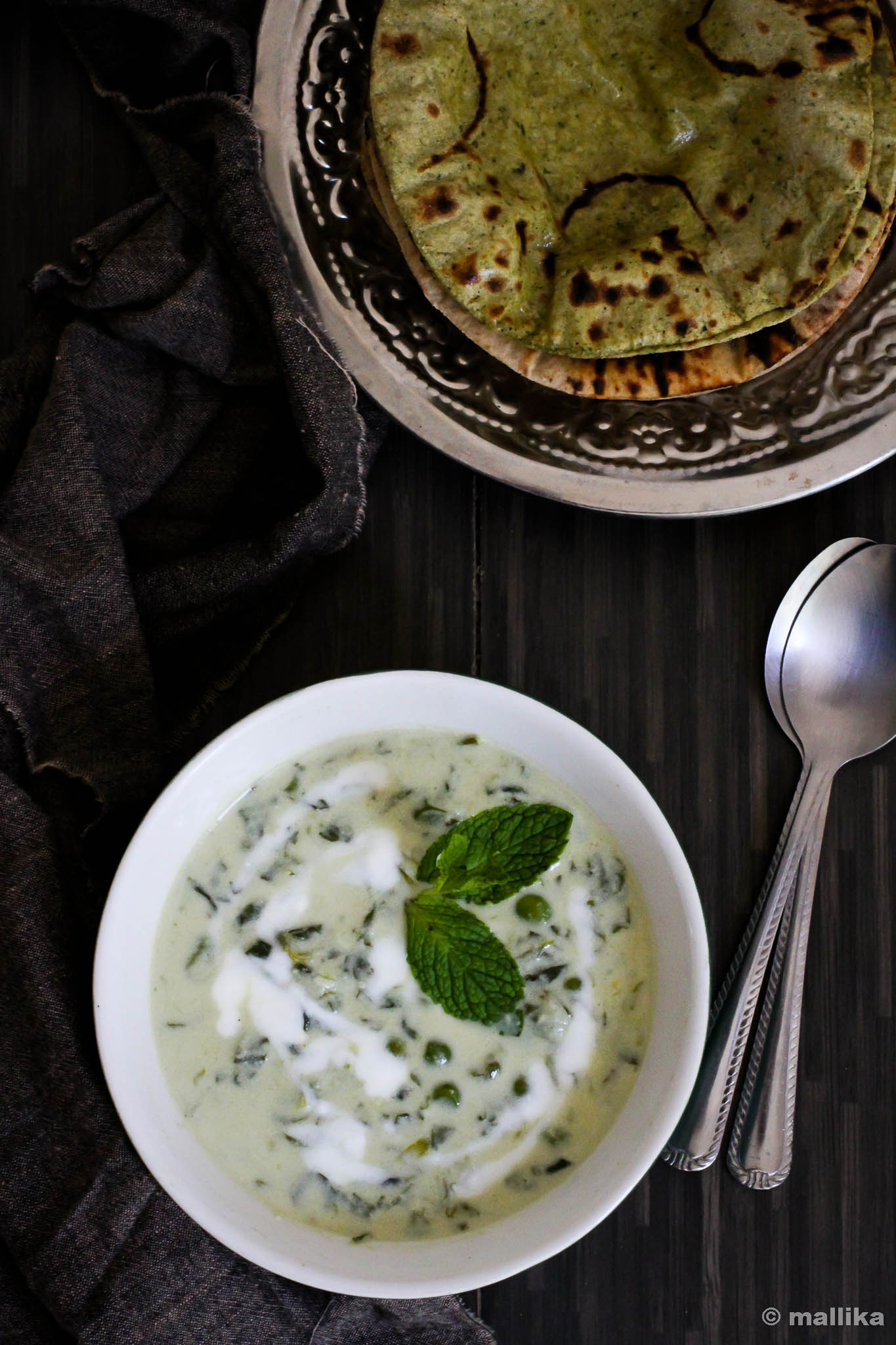
Sometime around the first week of December, in an afternoon by the pool side of JW Marriott, sipping some refreshing rose mocktails and exchanging greetings with a couple of bloggers and press folks, a handful of us came together to be a part of Canola Cook-off event hosted by Chef Jolly Surjan Singh. We flocked around the Chef that noon as he spoke about his love for Canola oil and spun his magic around the table, cooking some versatile Indian dishes at the first Canola cook-off sponsored by Canolainfo.org. Mind you, its not a brand they endorse, but an awareness they are trying to create towards understanding Canola oil and creating its identity in Indian cooking. The rest of the evening was spent in chatters, sipping tea as we savored the Khada Desi Palak, Tandoori Broccoli, and many other delicacies that Chef had created to display the versatility of this little known oil.
This isn't my first time with Canola. The first time I saw it, it read C-A-N-O-L-A, and I had assumed it was a brand name. I stared at it for a long time trying to identify where it came from. Coconut? Olive? Groundnut? Sunflower? What breed did it belong to? It glared back at me, its words 'Canola Oil' in its bold black font and that left me worrying its identity. In a new country, a new home, a new kitchen, it sat on the kitchen counter-top in a gleaming plastic bottle, radiating its thin golden liquid, feigning like a silly hypothetical thing. We did not grow up knowing each other. It was as alien as meat is to a born vegetarian like me. I had never heard of it till I traveled out of my country. Nor had I encountered it on the webspace. That's now a thing of past. I read up on it later and soon we were friends shaking hands with every meal I made till the time I was there.
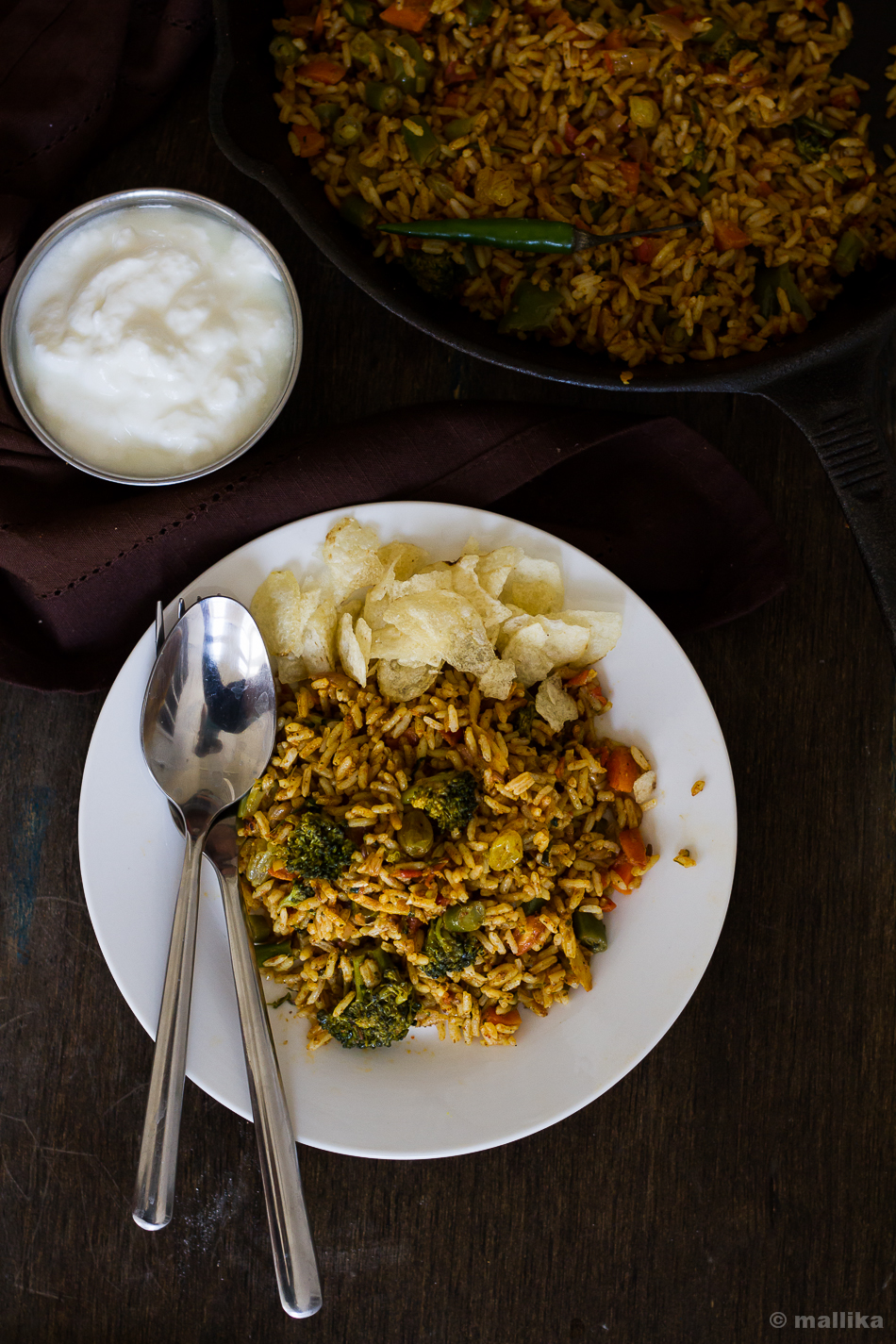
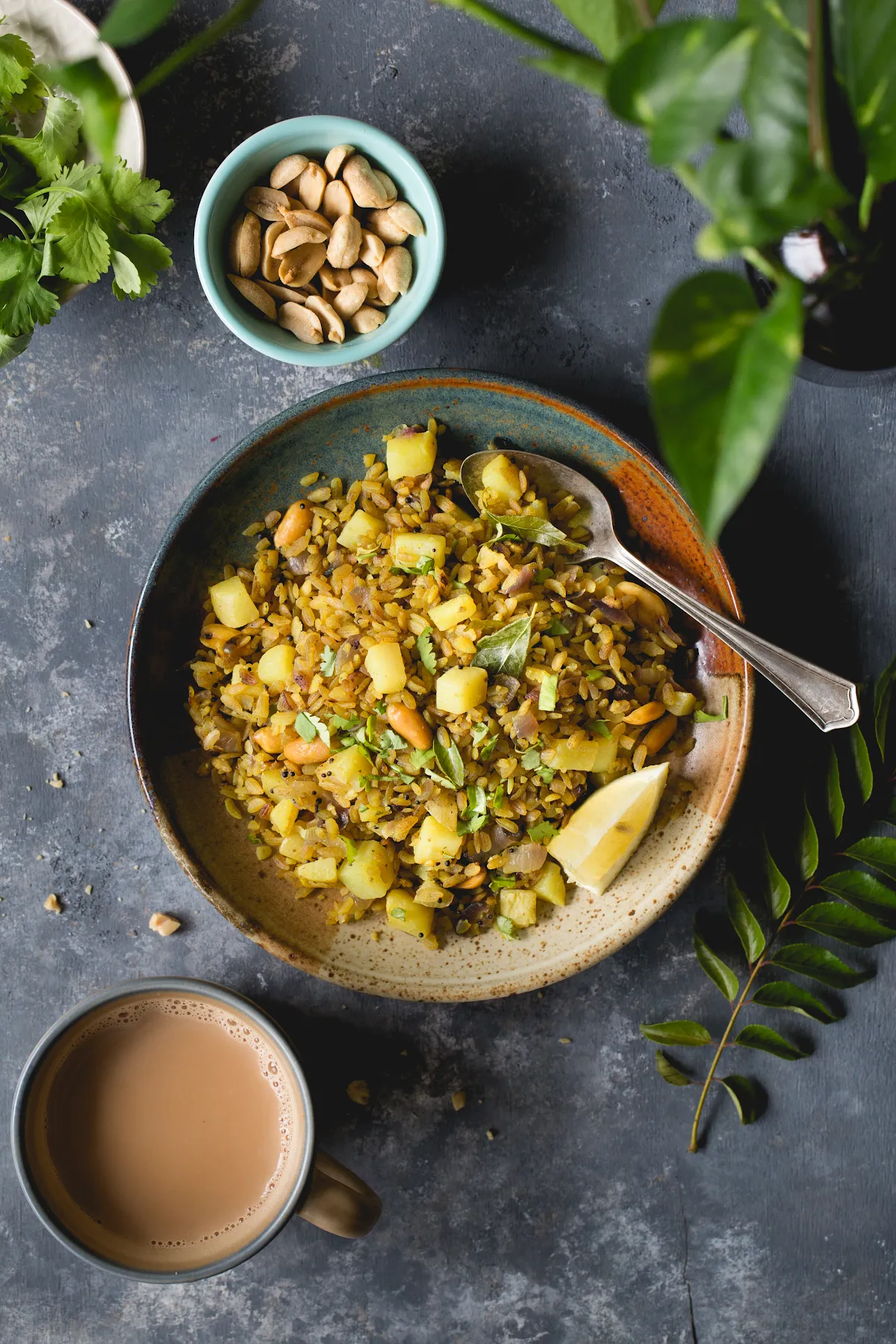
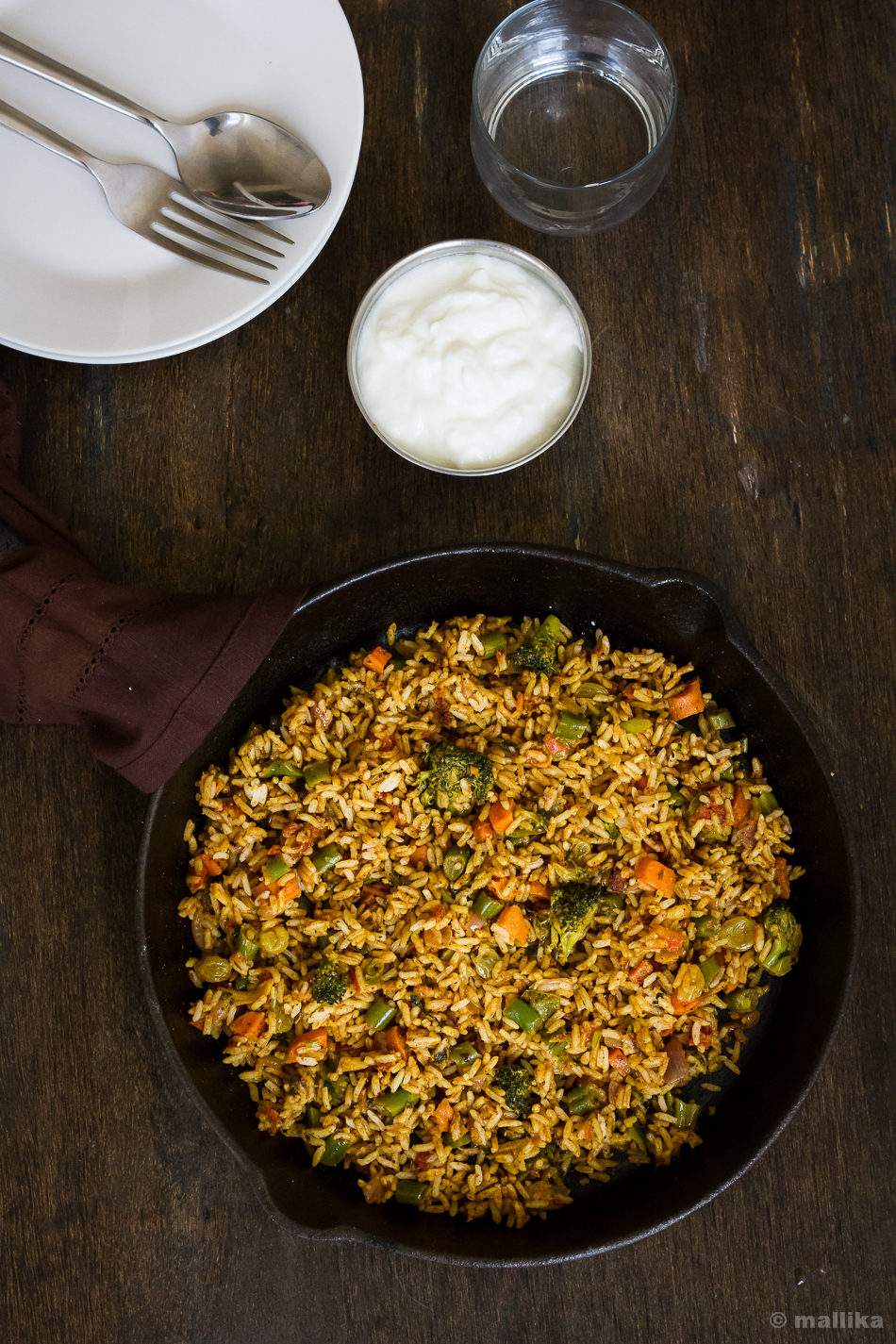
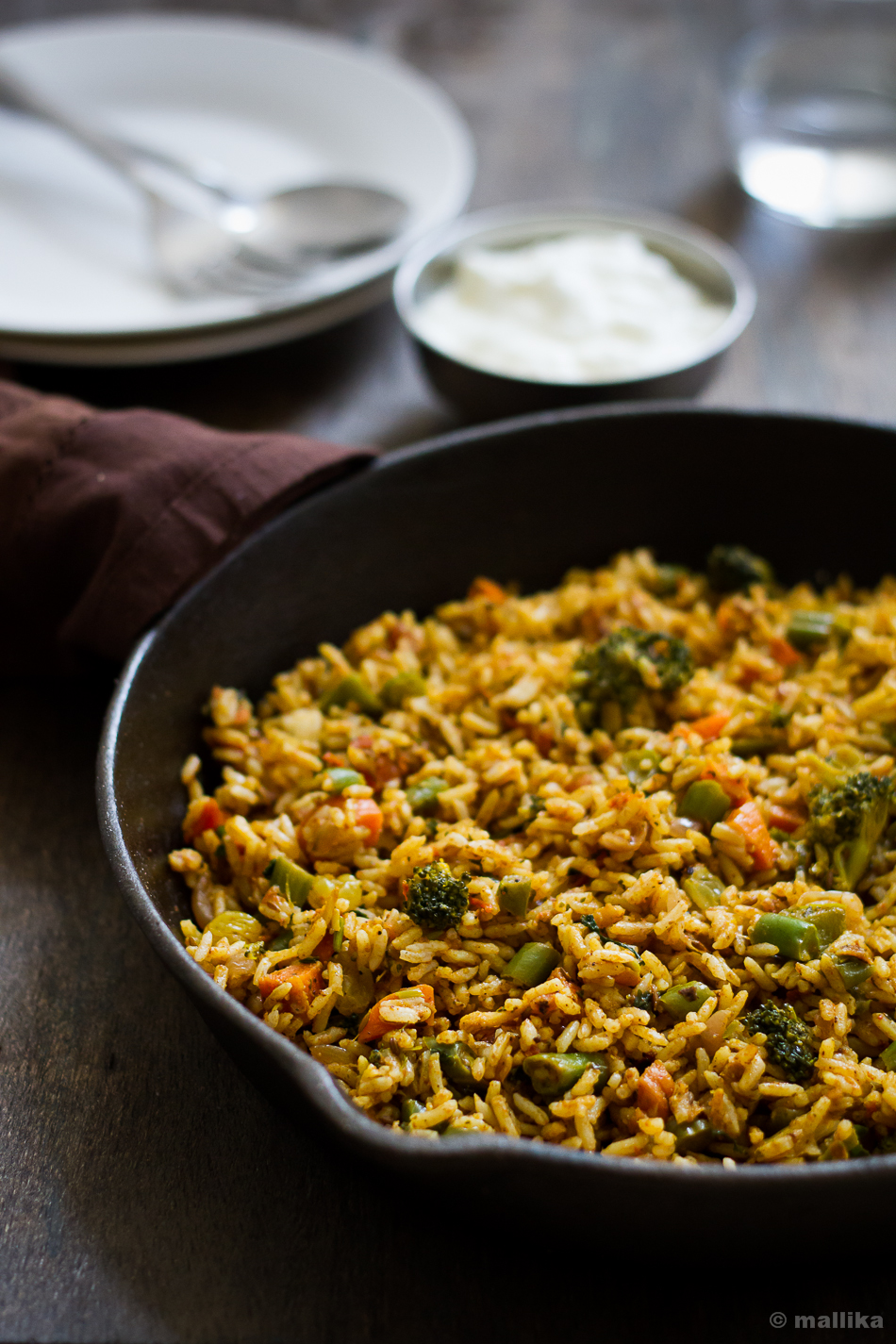
So what's canola oil and why are we Indians not so aware of it? A little known to most of us, it comes from the seeds of the rapeseed plant that is extracted and processed to remove some unfavorable substances. It's a heart friendly oil with less than half the saturated fat of olive (now, do you believe that?) or soybean oil, that gives you more excuses to fry your samosas, bake muffins or use them in tadkas intrepidly. Grown commonly in the West, mainly Canada and US and widely used there, this oil is slowly walking baby footsteps in Indian markets. Having lived in the US and used it in every meal of the day, I know how popular canola oil is back there. Rediscovering canola through this event was like meeting a long lost friend, someone whom you had known a while ago but had faded out of your memory. They appear unexpectedly and brush the rust off the oblivion. A bottle of canola now sits on our kitchen counter, in a prominent spot where the vegetable oil had once reigned that space. We've fried jamoons, roasted chivda, used them in salads, stir fries and pulaos with the same ease as with our regular cooking oil with no change in flavor and additional boast to health. I'm excited to share with you my recipe for Tawa Pulao, made with this golden goodness; a street side food often found on carts and road side eateries in Mumbai. Its quick, delicious and healthy one pot meal made from steamed rice, vegetables and pav bhaji masala. For me, this serves the best way to use up left over rice from the previous meal.
Sometime around the first week of December, in an afternoon by the pool side of JW Marriott, sipping some refreshing rose mocktails and exchanging greetings with a couple of bloggers and press folks, a handful of us came together to be a part of Canola Cook-off event hosted by Chef Jolly Surjan Singh. We flocked around the Chef that noon as he spoke about his love for Canola oil and spun his magic around the table, cooking some versatile Indian dishes at the first Canola cook-off sponsored by Canolainfo.org. Mind you, its not a brand they endorse, but an awareness they are trying to create towards understanding Canola oil and creating its identity in Indian cooking. The rest of the evening was spent in chatters, sipping tea as we savored the Khada Desi Palak, Tandoori Broccoli, and many other delicacies that Chef had created to display the versatility of this little known oil.

This isn't my first time with Canola. The first time I saw it, it read C-A-N-O-L-A, and I had assumed it was a brand name. I stared at it for a long time trying to identify where it came from. Coconut? Olive? Groundnut? Sunflower? What breed did it belong to? It glared back at me, its words 'Canola Oil' in its bold black font and that left me worrying its identity. In a new country, a new home, a new kitchen, it sat on the kitchen counter-top in a gleaming plastic bottle, radiating its thin golden liquid, feigning like a silly hypothetical thing. We did not grow up knowing each other. It was as alien as meat is to a born vegetarian like me. I had never heard of it till I traveled out of my country. Nor had I encountered it on the webspace. That's now a thing of past. I read up on it later and soon we were friends shaking hands with every meal I made till the time I was there.
So what's canola oil and why are we Indians not so aware of it? A little known to most of us, it comes from the seeds of the rapeseed plant that is extracted and processed to remove some unfavorable substances. It's a heart friendly oil with less than half the saturated fat of olive (now, do you believe that?) or soybean oil, that gives you more excuses to fry your samosas, bake muffins or use them in tadkas intrepidly. Grown commonly in the West, mainly Canada and US and widely used there, this oil is slowly walking baby footsteps in Indian markets. Having lived in the US and used it in every meal of the day, I know how popular canola oil is back there. Rediscovering canola through this event was like meeting a long lost friend, someone whom you had known a while ago but had faded out of your memory. They appear unexpectedly and brush the rust off the oblivion. A bottle of canola now sits on our kitchen counter, in a prominent spot where the vegetable oil had once reigned that space. We've fried jamoons, roasted chivda, used them in salads, stir fries and pulaos with the same ease as with our regular cooking oil with no change in flavor and additional boast to health. I'm excited to share with you my recipe for Tawa Pulao, made with this golden goodness; a street side food often found on carts and road side eateries in Mumbai. Its quick, delicious and healthy one pot meal made from steamed rice, vegetables and pav bhaji masala. For me, this serves the best way to use up left over rice from the previous meal.
Tawa Pulao
INGREDIENTS
2 tbsp canola oil
1 tsp cumin seeds
2 tsp ginger-garlic paste
1 onion, finely chopped
1/4 cup fresh peas
2 tomatoes, finely chopped
1/4 cup each of chopped vegetables like carrots, beans, capsicum, broccoli
1/4 tsp turmeric powder
1 tsp chilli powder
2 tsp pav bhaji masala
3 cups cooked rice
Salt to taste
Juice of 1/2 lemon, squeezed
Finely chopped coriander or fried green chilli, for garnish
DIRECTIONS
Heat oil in a heavy bottom pan and fry cumin seeds till they brown. Add ginger-garlic paste and fry for a few seconds. Then add the onion and sauté till its brown. Add the fresh peas, tomatoes and turmeric powder. Cook till the tomatoes are soft. Next, tip in the chopped carrots, beans, broccoli and capsicum and fry till they are nearly cooked. Add the rice and mix well with the vegetables. Add the salt, red chilli powder with pav bhaji masala. Toss well and cook on high flame for a 2 minutes, till all the masalas coat the rice well. Switch off the flame. Squeeze the lemon juice and mix well. Garnish with coriander leaves and serve with yogurt / raita and fried green chilli, if desired.