Showing posts with label Maharashtrian. Show all posts

Batata Poha

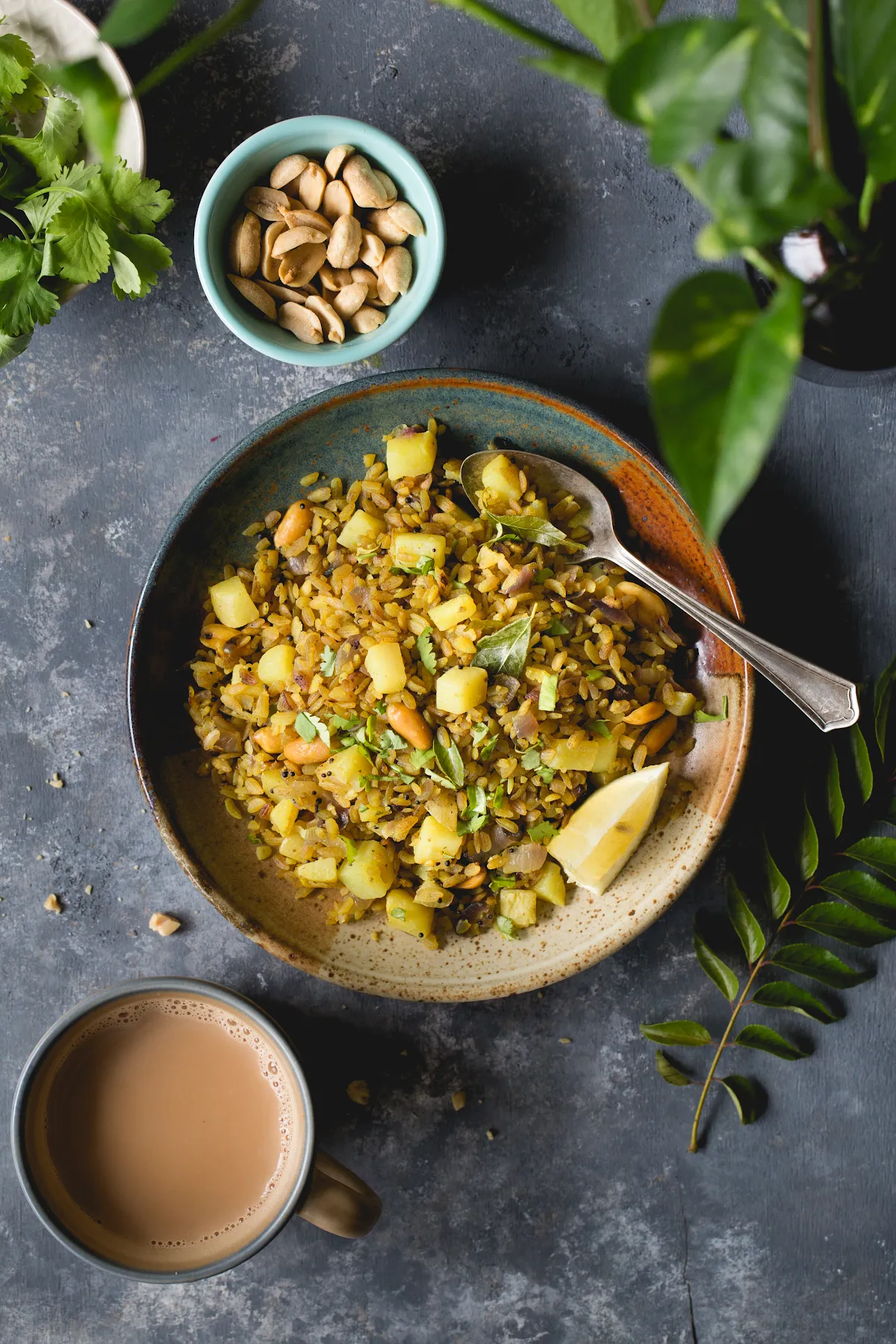
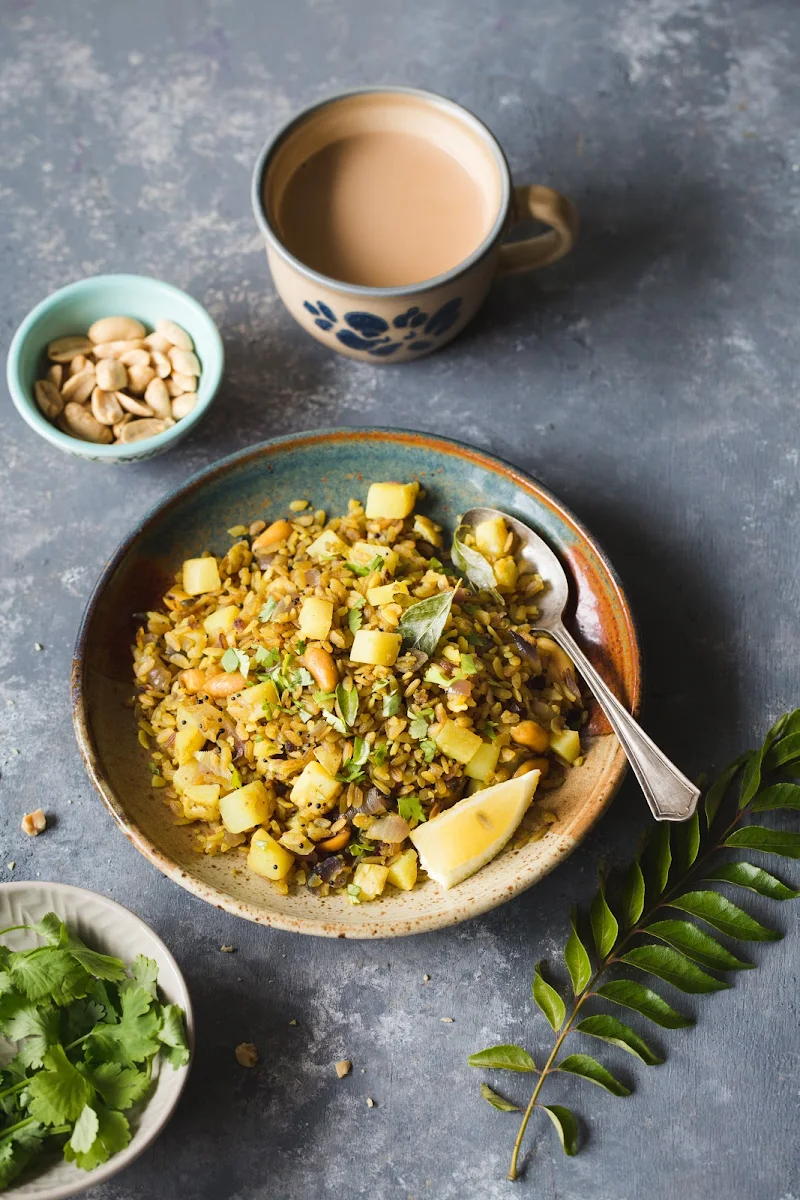
How to make Aloo Poha | Batata Poha Recipe
Batata Poha is a very popular breakfast dish from Maharashtra made with onions, potatoes (batata) and beaten rice (poha). Poha is a common breakfast dish made across India, with each state having its own subtle variation and names. There are numerous recipes for making poha, the recipes varying from one family to another, each with their own way of preparing it.

Kanda Poha and Batata Poha were made regularly at home. Karnataka has it's own variation called Avalakkibath which is quite similar to Kanda Poha, but has the addition of urad dal and channa dal in it, with garnishes of fresh grated coconut. Batata Poha though was always called as Batata Poha, and never Avalakki. Mornings with plate full of Poha, tall glass of warm milk and off we went to school full and nourished till noon.

This was also a breakfast made when we had guests over, or on days when mom was running out of time to prepare breakfast. Potato, in general is a loved ingredient by many, so that meant less fuss. I now make this Maharashtrian-styled Aloo Poha / Batata Poha regularly at my home and my family enjoys it well as much as I do.
Batata Poha


Batata Poha | Aloo Poha

INGREDIENTS

2 medium sized potatoes, peeled, chopped and diced
2 cups poha/beaten rice (thick variety)
2 tbsp oil
1 tsp turmeric powder
1 tsp mustard seeds
1 sprig curry leaves
2 green chillies, finely chopped
1/2 cup chopped onion
1 tbsp roasted peanuts
Salt to taste
1 tsp sugar
Juice squeezed from 1 lime
Fresh coriander leaves to garnish

DIRECTIONS

Wash the beaten rice thoroughly and drain the water. Add turmeric powder and salt, mix well and keep aside. While the poha blooms, proceed to prep the rest of the ingredients such a chopping potatoes and onions.

Heat oil in a fry pan, add in the mustard seed and let it splutter. Add the chopped onions and stir fry for 30 seconds till they are transclucent in color. Next add the diced potatoes, torn curry leaves and green chillies. Stir fry for a couple of minutes till the potatoes are cooked, yet have a bite. Add in the soaked poha/beaten rice. Turn heat to medium low and gently mix all the ingredients. Cover and cook for atleast 5 mins. Once cooked, remove from heat, add sugar and squeeze juice from 1 lime. Garnish with roasted peanuts and chopped coriander leaves.

You can cut down the cooking time by using boiled potatoes before hand. You can add the potatoes into the tempering oil, stir-fry well and allow it to cook. That way the potatoes get a slight crunch. This however takes a longer time and consumes more oil, hence I avoid this version. The one that I make is a quick, healthy and less time consuming since the potatoes are pre-boiled and need no further cooking. Addition of a teaspoon of sugar and lime is optional, but this really adds an edgy flavor, which is typical to Maharastrian cuisine.

An alternate version of this called Kanda Poha, where onions are used instead of potatoes is quite a common breakfast. This breakfast is not just simple and healthy, but also filling to keep you going for long.
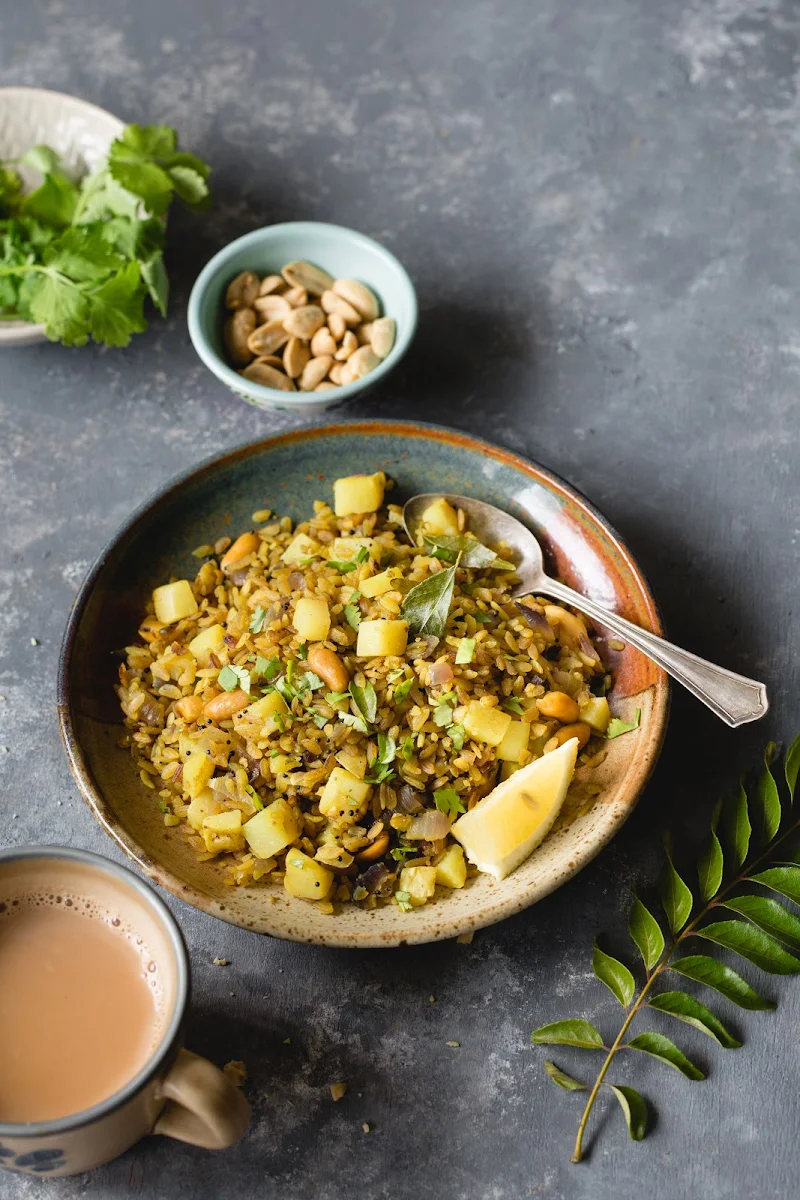
Kanda Batata Poha


*This post was updated and republished recently.*

How to make Sabudana Vada | Easy Sabudana Vada Recipe
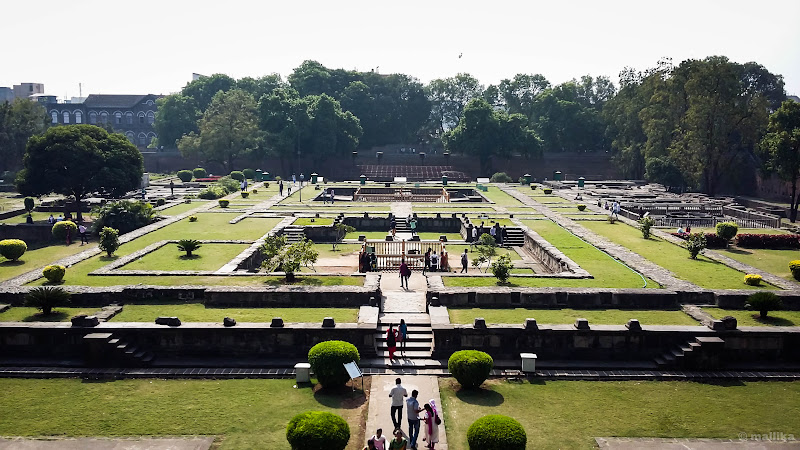
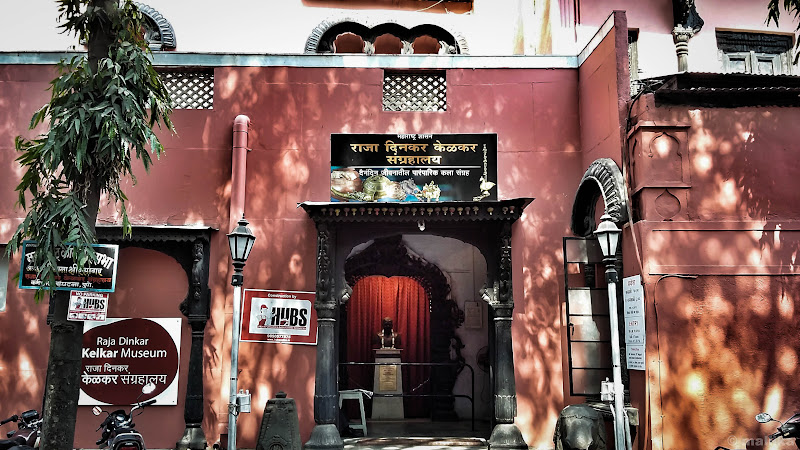
I spent a fairly large part of December living out of my suitcase traveling to Pune for work. Being my first visit ever to Pune as an adult I was looking forward to it. I’m told this is not my first time there. We lived for many years in Maharashtra and had crossed Pune en route on multiple occasions. The last time I was there, I don’t even remember. That must have been moons ago when I was a kid, most of which I can barely recall. And even if I did, it would do no good. Over decades, Pune is known to have seen oceanic wave of change the way Bangalore did. Nevertheless, it was a trip I lived and loved like I owned it.

I am taking you on a short walk to Pune through my eyes. Bear with me, these photos do no justice as I was without my real camera. All these captures were shot on my cell phone.


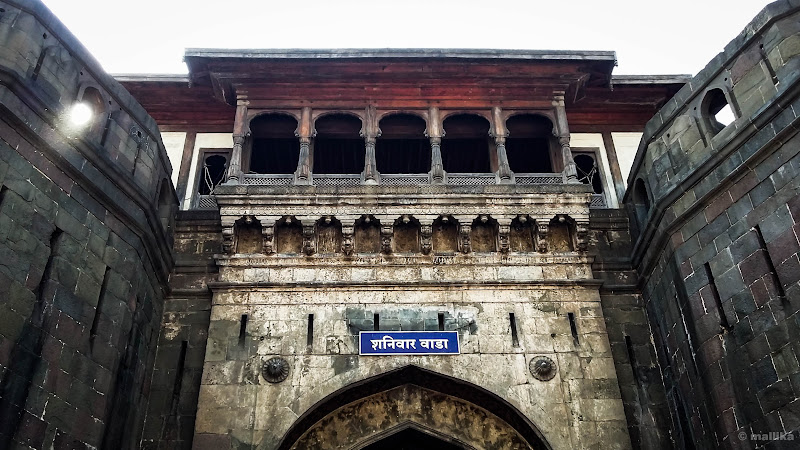
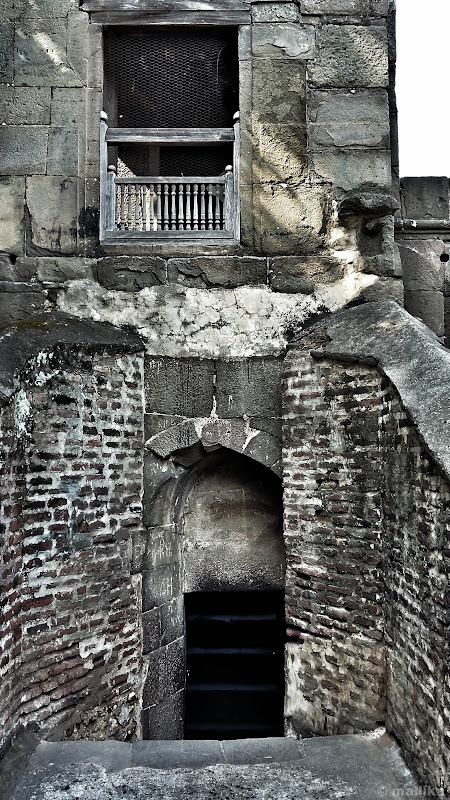
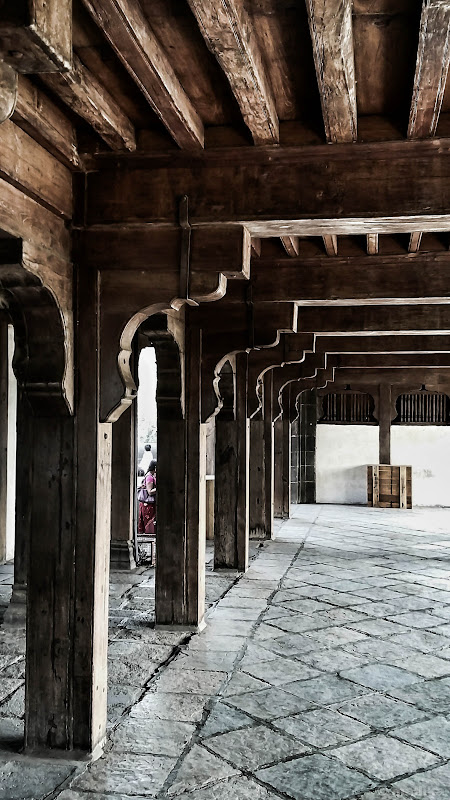
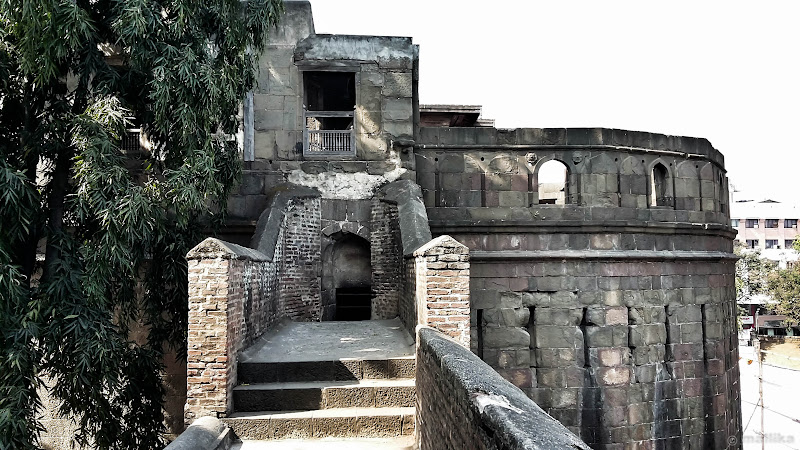
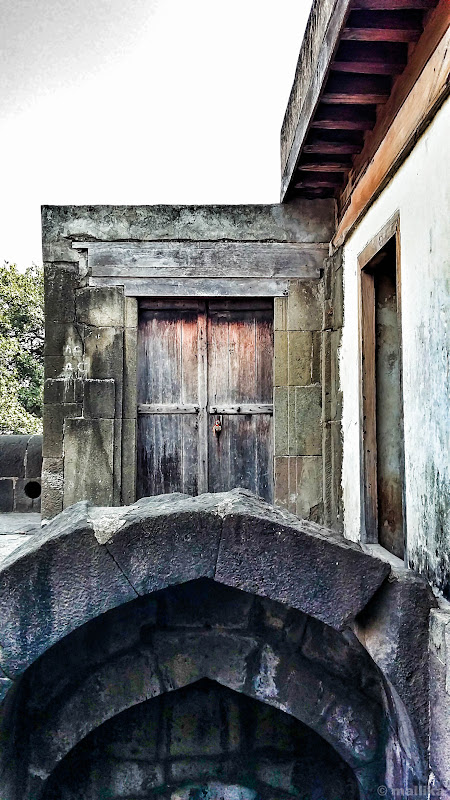
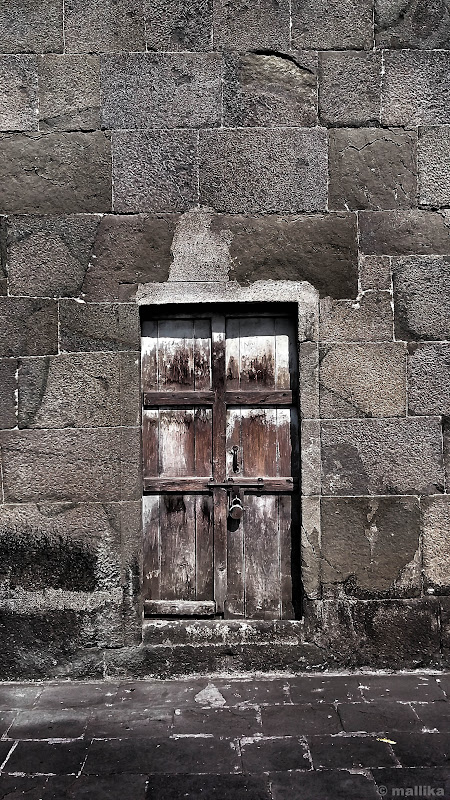
Vivacious and live. Modern, yet heirloom. It’s a city where warriors whisper their manifestation through their wadas in every nook. Where the stony edifices call out in solitude and their empty staircases in splashes of grey monotones make you weep. They take you back to school, to those history classes of 6th standard, leaving you in terrible guilt by reminding you how much you dreaded mugging Shivaji and Bajirao’s valor. Why I ask? Instead why didn’t our schools profess visiting these iconic citadels with their near-collapsing rustic wooden panes and ornate windows, that speak of their crumbling legacy and history entangled in this contemporary city. Echoes of bygones are heard in these architectural splendors. You wonder what lives have lived behind those warped doors. Their ruins and textures speak to you peeking from their pasts - from those granite slabs at the entrance of Shaniwar wada that etch their account, from their colossal wooden doors that weathered the centuries gone by; they once stood as epitome to the bygone Peshwa and Maratha reigns. You hear them whisper through cracks as they frail.

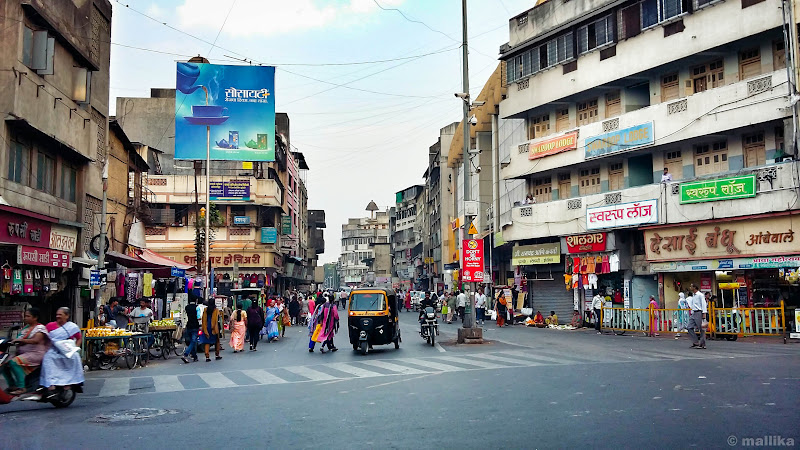
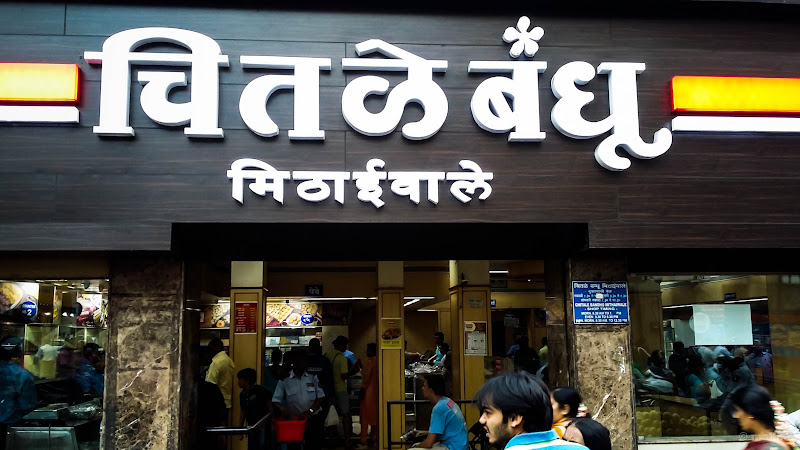
Pune is a sprawling city where urbanization is vastly seen in every spectacle that your eyes go. There are pockets of lanes and by-lanes that speak of their heritage caving their ways into modernization. There are wadas, forts and caves in the heart of city. Women draped in nauvaris haul carts heaped with fruits, weighing their daily sales. Men with kind eyes line the pavements, ride bicycles, and crowd the bazaars in their faded dhotis and topis, heavily dusty and pale from whites to browns. There are beautiful images of the daily Pune life that can't escape your eyes. Like markets crammed with fruit and vegetable vendors calling out to you. Kirana stores dotting the city all over. Wada-pav and sabudana wada bringing bliss to the common man’s appetite. Chitalebandhu and Kayani lending soul to early evenings. Marathi interspersed in sweet high tones; chalā chalā, puḍhē jā, kai jhālē. Sounds and smells of Marathi culture in everything, everywhere. It draws you into their culture, ties you with theirs.


Yet, if you tour the city as a tourist you’ll see a wave of urbanization. Buildings over buildings, like matchboxes stacked over each other, glued together. From a bird’s eye view, they look like cardboard cutouts in varying heights placed randomly. That’s how cities look like, right? Like blueprints in real time? Construction in every area. Flyovers at every stretch. Tall, wide ad banners in every sight, at every turn. You read in Hindi, it sounds like Marathi. A melodious rhythm that leaves you thinking their meanings. There are buildings called IT factories shaped in form of an egg, globe, geometrical structures of triangles, hexagons and pentagons, some lopsided and shapeless too, that seem like the architects’ messed up work. There’s keenness everywhere to cover them with tinted glass panes to hide the lives behind. They see you, you don’t. Instead, they reflect the bustling streets, the women behind carts, the men in faded dhotis, the bike riders, the car goers, the kirana dukaan, the traffic signals, the floating clouds, and the flying sparrows, like holding mirrors to the city. Its visible there for you to see. Like a slap you can’t turn your face away to. People and cultures merge, dissolving like water colors on paper blotched over each other. Some pockets murky, some clear, some overlapping into one another, each color varying in their depth and degrees. Overall it’s a beautiful blend of tradition and modernity, a beautiful picture you can’t ignore.

Pune, you are beautiful, no doubt. But I long to go back in time. To time when it spun back into history. Where the wadas came alive in their full splendor and their now dark staircases were filled with giggles and laughter from women of those times. Where modernity did not nudge the traditions and replace with this blend so quickly. Where the frail walls that stood strong to weather and time, spoke of valor. Where the cracks in cultures merged, the history disentangled itself and the heavens called for legacy to rule again.


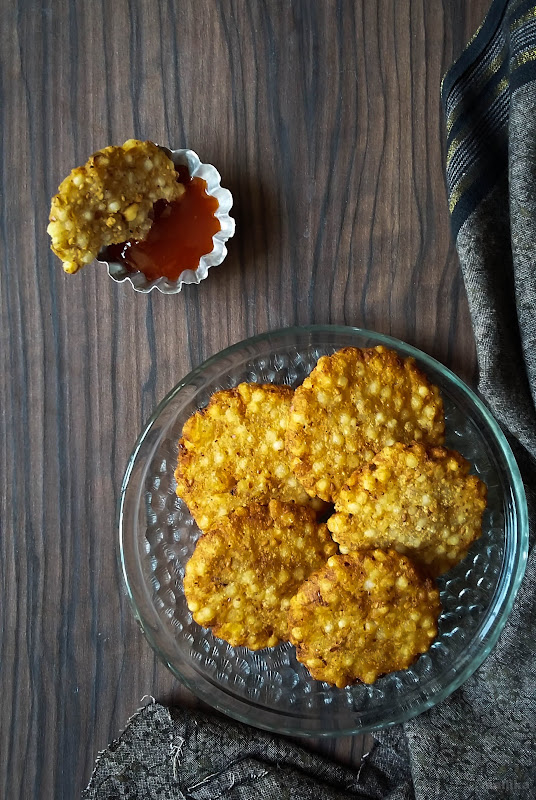
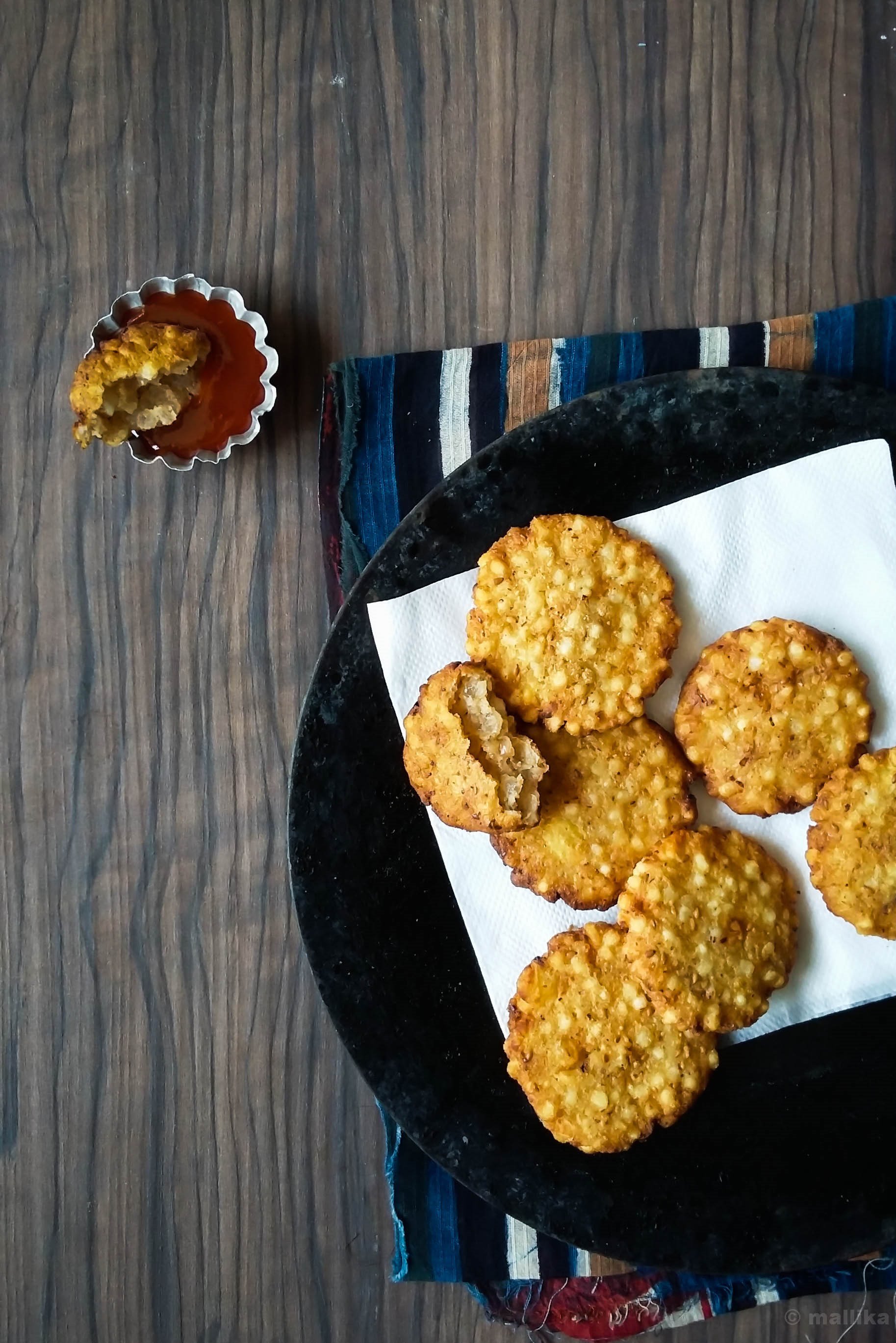
In my ode to Pune, I bring this delicious Sabudana Vada from my kitchen to yours; a classical, traditional Maharastrian dish that I have loved for several years now. I made this in the fond yearning of the time spent there savoring local delicacies, sabudana khichdi, misal pav, vada pav and this sabudana vada. Its flavors sing to you in simplicity, bursting from the golden crisp pops of sago pearls, punctuated with potatoes, peanuts and chillies in each bite, each subtle and well blended. It's a thing you should try, incase you haven't.


Sabudana Vada

INGREDIENTS

1 cup sabudana / sago pearls
2 medium potatoes, boiled and mashed
1/2 cup roasted peanuts, coarsely ground
1 tsp cumin seeds
2-3 green chillies, chopped
2 tbsp. finely chopped coriander leaves
1 tsp. lemon juice
1 tsp. sugar
Salt to taste

DIRECTIONS

Wash the sago and soak it in just enough water to cover the pearls. Soak it for 4-5 hours or preferably overnight. In the morning, the pearls will be plump and doubled in size. For 1 cup of soaked sago, I used 1/3 cup of raw sago, washed and then soaked them in 1/2 cup of water for nearly 5 hours.

Combine all the ingredients in a bowl and mix well. Pinch a lemon sized portion out of the prepared vada mixture and shape it into ball. Gently flatten it with fingers. Prepare all the vadas to fry and keep them aside. Meanwhile, heat the oil in a thick bottom vessel and deep-fry the vadas on a medium flame till they are golden brown in color on either sides. Drain on kitchen paper. Serve hot with green chutney or tomato sauce.

Tawa Pulao 1

How to make Tawa Pulao | Easy Vegetable Tawa Pulao Recipe
Last month, when everyone was busy counting down days for Christmas and gearing up for year end celebrations, I was out in Pune, spending a fair share of December in a city familiarly unfamiliar to me. Familiar, because any Bangalorean can best draw similarities to this city. Its traffic, roads, breadth of the city, the weather, all so similar. Unfamiliar, because this was my first time here. Its language, people and directions, so unfamiliar. I spent weekdays at my desk, busying myself between colleagues, emails and phone calls, and sightseeing the city on weekends. I will give you a glimpse of Pune through my eyes in my next post, and I promise on that; but for today, I have something more to share. Its a bit of what I had been procrastinating for a while because of my wrung out busy life.

Sometime around the first week of December, in an afternoon by the pool side of JW Marriott, sipping some refreshing rose mocktails and exchanging greetings with a couple of bloggers and press folks, a handful of us came together to be a part of Canola Cook-off event hosted by Chef Jolly Surjan Singh. We flocked around the Chef that noon as he spoke about his love for Canola oil and spun his magic around the table, cooking some versatile Indian dishes at the first Canola cook-off sponsored by Canolainfo.org. Mind you, its not a brand they endorse, but an awareness they are trying to create towards understanding Canola oil and creating its identity in Indian cooking. The rest of the evening was spent in chatters, sipping tea as we savored the Khada Desi Palak, Tandoori Broccoli, and many other delicacies that Chef had created to display the versatility of this little known oil.


This isn't my first time with Canola. The first time I saw it, it read C-A-N-O-L-A, and I had assumed it was a brand name. I stared at it for a long time trying to identify where it came from. Coconut? Olive? Groundnut? Sunflower? What breed did it belong to? It glared back at me, its words 'Canola Oil' in its bold black font and that left me worrying its identity. In a new country, a new home, a new kitchen, it sat on the kitchen counter-top in a gleaming plastic bottle, radiating its thin golden liquid, feigning like a silly hypothetical thing. We did not grow up knowing each other. It was as alien as meat is to a born vegetarian like me. I had never heard of it till I traveled out of my country. Nor had I encountered it on the webspace. That's now a thing of past. I read up on it later and soon we were friends shaking hands with every meal I made till the time I was there.

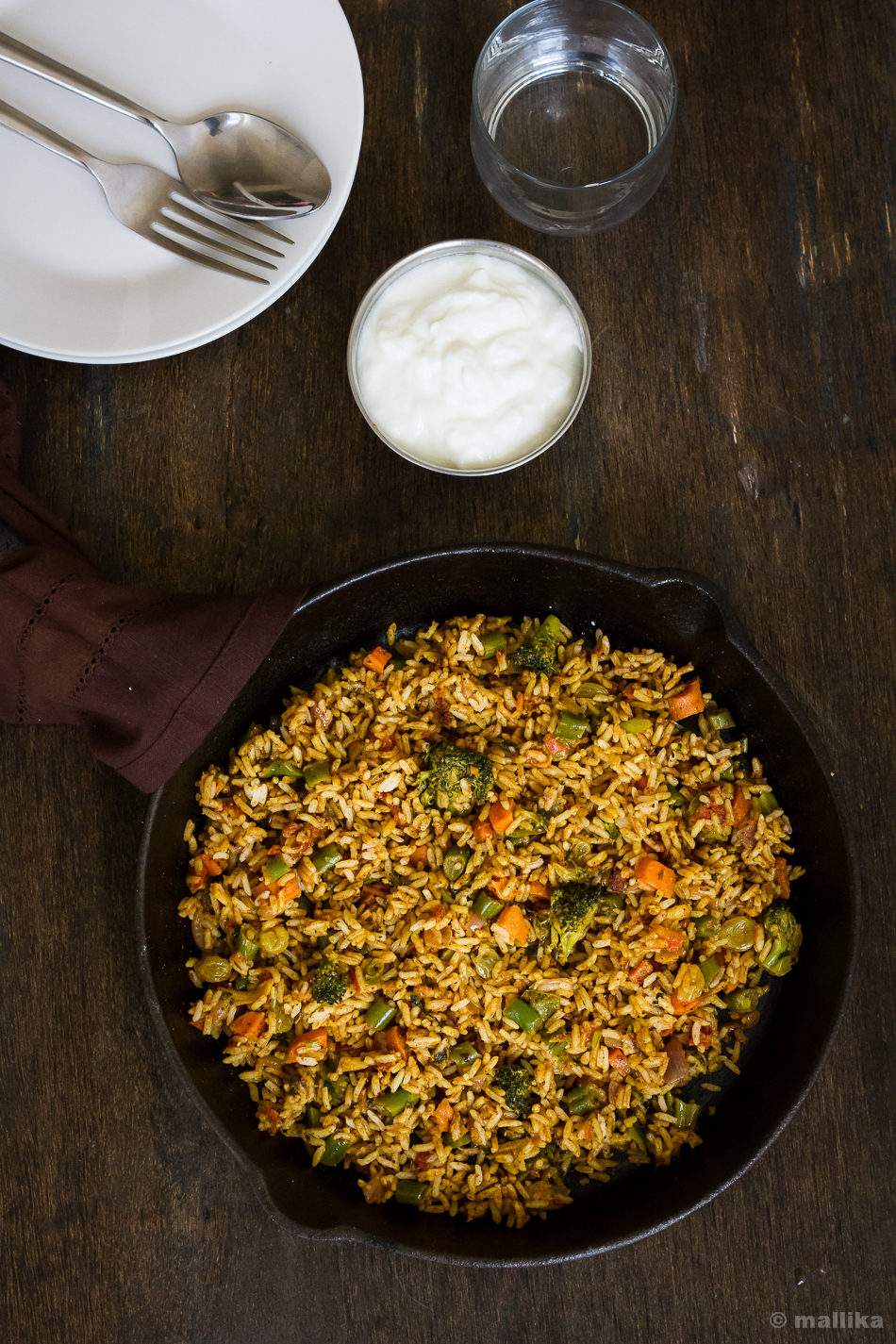
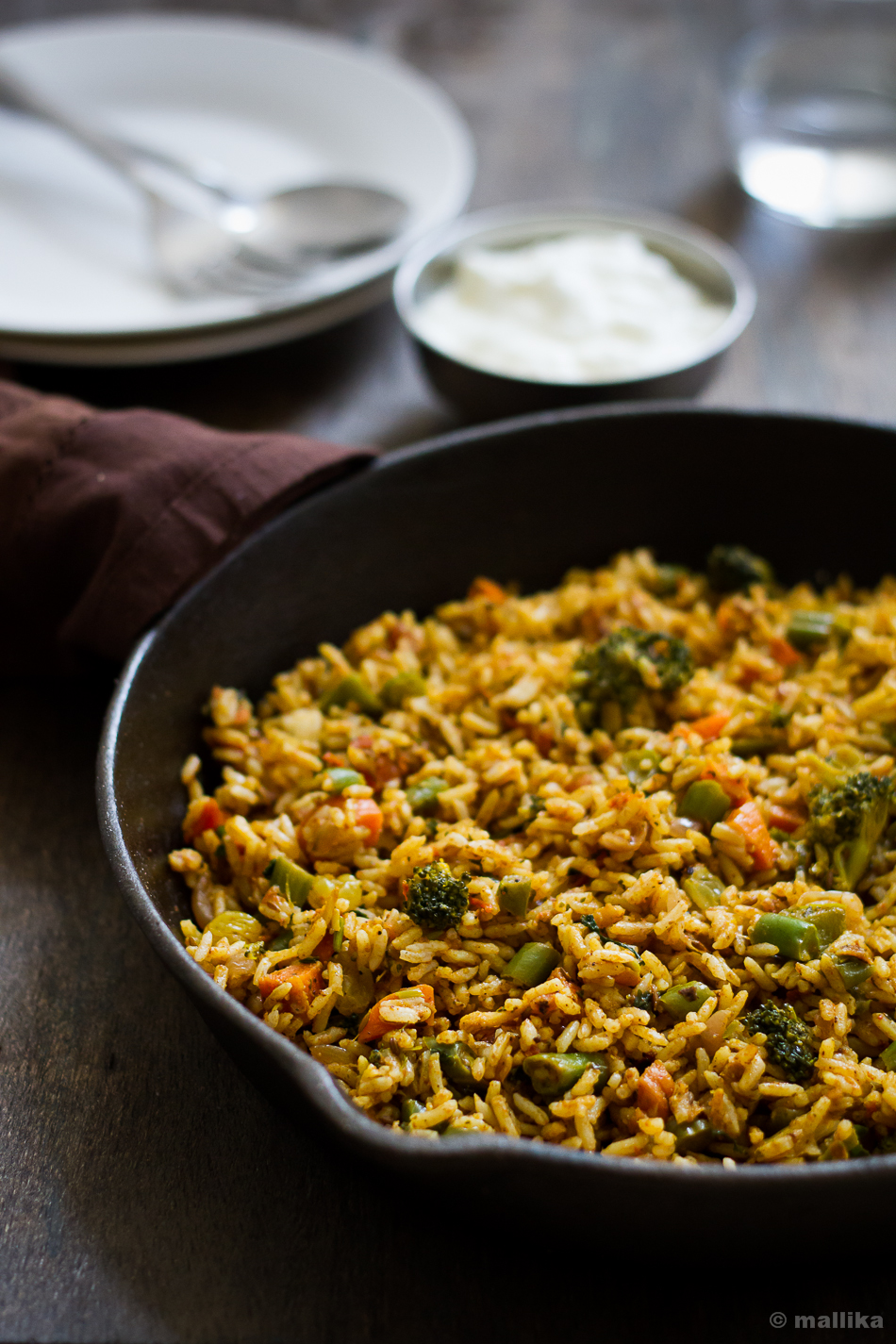
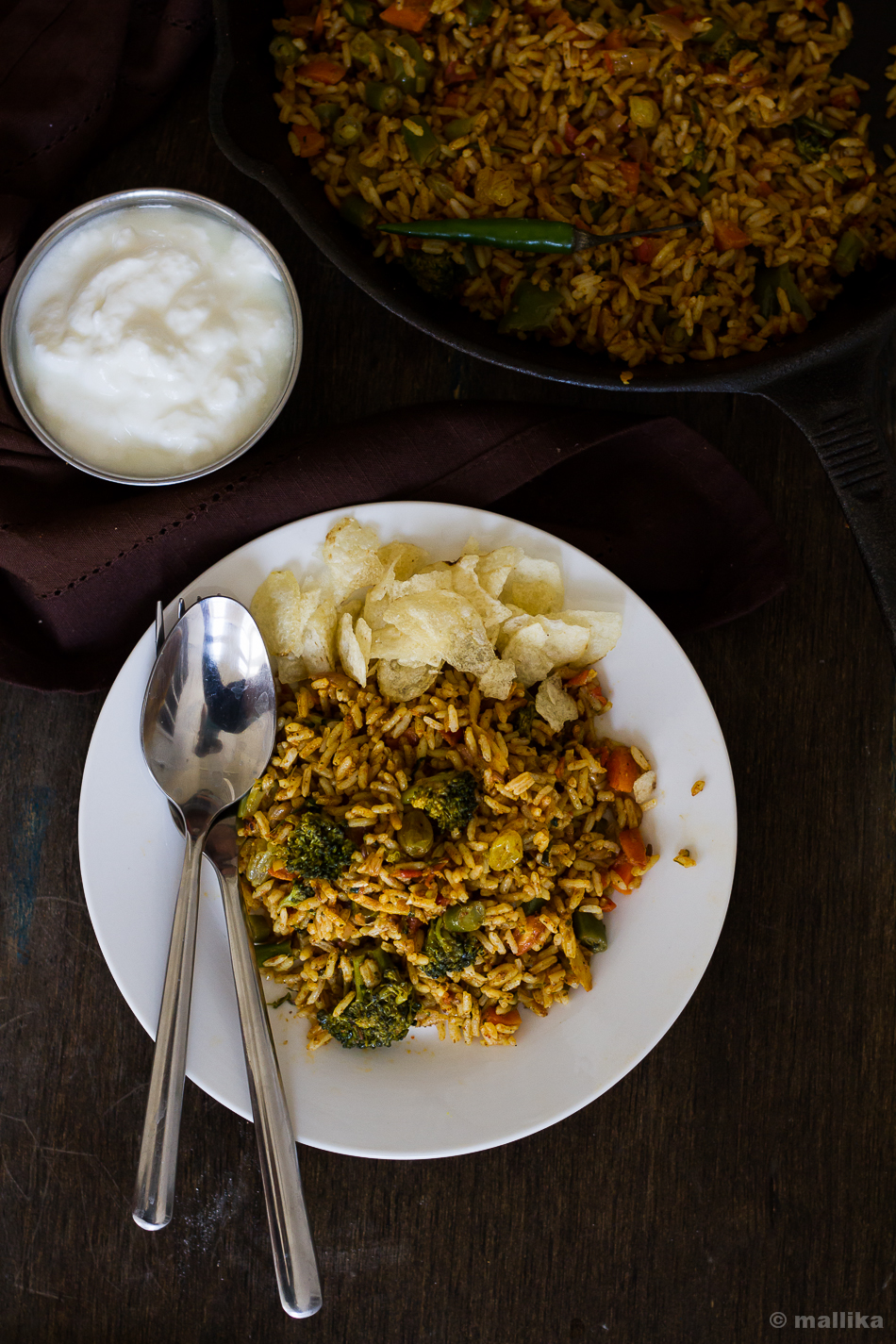
So what's canola oil and why are we Indians not so aware of it? A little known to most of us, it comes from the seeds of the rapeseed plant that is extracted and processed to remove some unfavorable substances. It's a heart friendly oil with less than half the saturated fat of olive (now, do you believe that?) or soybean oil, that gives you more excuses to fry your samosas, bake muffins or use them in tadkas intrepidly. Grown commonly in the West, mainly Canada and US and widely used there, this oil is slowly walking baby footsteps in Indian markets. Having lived in the US and used it in every meal of the day, I know how popular canola oil is back there. Rediscovering canola through this event was like meeting a long lost friend, someone whom you had known a while ago but had faded out of your memory. They appear unexpectedly and brush the rust off the oblivion. A bottle of canola now sits on our kitchen counter, in a prominent spot where the vegetable oil had once reigned that space. We've fried jamoons, roasted chivda, used them in salads, stir fries and pulaos with the same ease as with our regular cooking oil with no change in flavor and additional boast to health. I'm excited to share with you my recipe for Tawa Pulao, made with this golden goodness; a street side food often found on carts and road side eateries in Mumbai. Its quick, delicious and healthy one pot meal made from steamed rice, vegetables and pav bhaji masala. For me, this serves the best way to use up left over rice from the previous meal.

Tawa Pulao_2


Tawa Pulao

INGREDIENTS

2 tbsp canola oil
1 tsp cumin seeds
2 tsp ginger-garlic paste
1 onion, finely chopped
1/4 cup fresh peas
2 tomatoes, finely chopped
1/4 cup each of chopped vegetables like carrots, beans, capsicum, broccoli
1/4 tsp turmeric powder
1 tsp chilli powder
2 tsp pav bhaji masala
3 cups cooked rice
Salt to taste
Juice of 1/2 lemon, squeezed
Finely chopped coriander or fried green chilli, for garnish

DIRECTIONS

Heat oil in a heavy bottom pan and fry cumin seeds till they brown. Add ginger-garlic paste and fry for a few seconds. Then add the onion and sauté till its brown. Add the fresh peas, tomatoes and turmeric powder. Cook till the tomatoes are soft. Next, tip in the chopped carrots, beans, broccoli and capsicum and fry till they are nearly cooked. Add the rice and mix well with the vegetables. Add the salt, red chilli powder with pav bhaji masala. Toss well and cook on high flame for a 2 minutes, till all the masalas coat the rice well. Switch off the flame. Squeeze the lemon juice and mix well. Garnish with coriander leaves and serve with yogurt / raita and fried green chilli, if desired.


Tawa Pulao Plated


I love Indian festivals not just for the traditional, fun moments we have with family and friends, but for the great food each festival has to offer. As kids, we looked forward to those moments of feasting at home. A wide spread platter of food ranging from feisty meals to dessert treats awaited each festival.

Ganesh Chaturthi meant Modaks (kadabu) made by amma just once a year. Yeah, just once and that too on this day alone. Imagine the torture and desperation that makes us wait a year long! Then, Diwali had treats like Karjikai, Shankarpoli, Payasa, etc... Tulsi Pooja made us wait long for the Panchakajjaya. The Til laddu was the most awaited for Sankranti. While at my paternal grandma's place, festival like Navratri mean huge feasting for 9 long days with 20 odd dishes for each day followed very religiously as a mark of respect, tradition and offerings to Goddess.


This tradition is now slowing drifting away from my hands and I am unable to live up to what my parents and grandparents followed, though I try my best to follow when ever I possibly can. It's my hectic work schedules that seizes away at least 10-11 hours of my time at work, the rest for home chores, while I am drained and left with little sleep for the day. It's no excuse, I know. But with posts like these, I am trying to compensate on what I have lost.

Til laddu is a common traditional recipe for Sankranti, a festival that marks the beginning of Spring or the harvest season. The recipe remains the same, irrespective of the laddus or chikkis. I opted to make these chikkis as they were quicker and easier. Time saving factor, again for ease??? With Ugadi that went by more than 2 months ago or Sankranti about 4 months ago, I do not mind making these again to review those festive spirits again and again. I am here with these simple and traditional Til chikki.


Til Chikki/Sesame Bars

INGREDIENTS

1 cups white sesame (til) seeds
3/4 cup brown sugar
1 tsp cardamom powder
1/2 tsp butter

DIRECTIONS

Roast sesame seeds in a saucepan till they become light brown. Keep them aside.

Grease an inverted stainless steel plate (flat side) and knife.

Heat 1/2 cup brown sugar and butter so that it melts to a syrupy consistency. Allow it to heat up till it comes to a boil. Remove from flame. Add in the white sesame seeds to the syrup and mix.

Immediately transfer this mixture to the greased plate. Using a rolling pin spread the mixture across uniformly. This needs to be done very quickly, else the sugar will start setting up making it difficult later. While it's hot, run a greased knife across it to serrate it into squares or rectangles as preferred.


Traditionally these are made with jaggery. But getting the right consistency is not an easy task, especially if you are a beginner. It needs a little practice to master. My mom and grand-mom mastered that art well. I have a long way to go till I reach that stage! I opted brown sugar which was the closest I could get with jaggery. They still tasted exactly similar. You may use normal white sugar instead of traditional jaggery or brown sugar, which will work excellent. These caramelized nutty bars with delicate flavors of sesame and cardamom will stay for long when stored in air-tight containers.


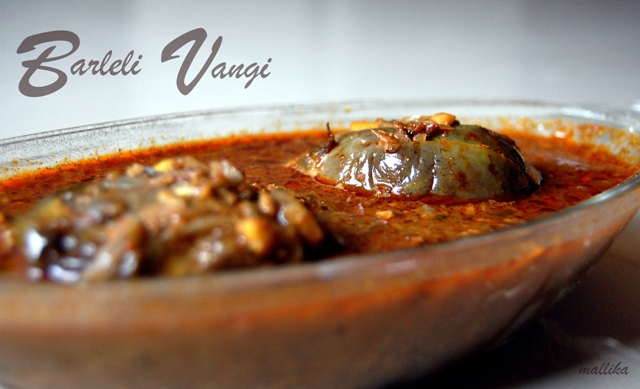
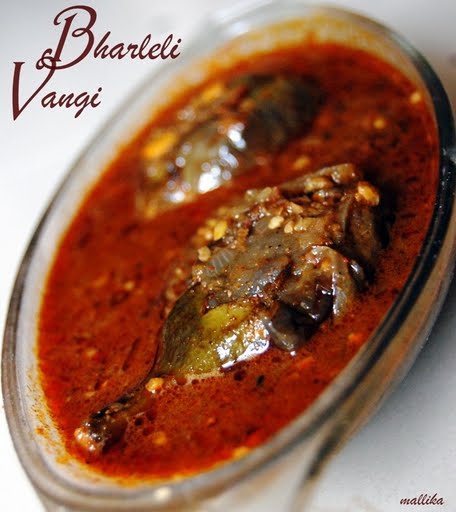
Over years, my mom has regularly made recipes from Maharastrian cuisine and she makes them exceptionally well. She can make a great Bharleli Vangi and her Batata Poha and Sabudana khichdi have been firm family favorites. Owning to the fact that we spent considerable number of years in Maharashtra, our cooking does have a Maharashtrian influence. Infact my dad has lived most of his life in Maharashtra, so this influence came us naturally!

I had not made this till recently I wanted to try something different out of brinjals. Not many like brinjals. Most of the people whom I have come across have either disliked it or are allergic to it. But back at home, it was a personal favorite of my dad's. He would love brinjal in any form and was particularly fond of Badanekai Huli which mom made. Me not being a fussy eater, would eat everything. Luckily, my husband is fond of brinjals too. It has been a common in his house in form of Baingan Bharta or Baingan Aloo ki subzi. This was unique to him and was a definite hit! I am happy!

You will find the similar dish made in the border districts of Karnataka. It's called Badane Yennagai and very commonly made in northern districts of Karnataka like Hubli and Belgaum. It's traditionally had with jolada rotti. The recipe is almost similar with very little or no variation in the ingredients. There are several recipies for the same, with a litte variation in the ingredients used.


Bharleli Vangi

INGREDIENTS

10 small brinjals/eggplants
2 tbsp oil
1 tsp mustard seeds
1/2 tsp asafoetida/hing
1 large onion, finely chopped
1/2 tsp turmeric powder
A sprig of curry leaves
Few fresh coriander leaves

Dry Roast the following:

6-7 whole red chillies
1/4 cup dry coconut/copra
1/4 cup roasted peanuts
4 tbsp sesame seeds/till seeds
1 tbsp each coriander-cumin seeds

Grind to paste the following ingredients with the above dry roasted mixture:

1 tsp ginger-garlic paste (optional)
2 tbsp Maharashtrian Goda Masala (optional)
1 tsp tamarind pulp
1 tbsp jaggery
Salt to taste

DIRECTIONS

With the stems intact, give four vertical slits (like +) to the brinjals from the top to the bottom. Keep them in salt water for 10 minutes and rinse to remove any bitterness. I avoid this step.


Dry roast coconut, sesame seeds, coriander-cumin seeds and whole red chillies together till light brown. Grind the roasted mixture with tamarind, jaggery, peanut powder, ginger-garlic paste, Goda masala and salt to taste. Stuff all the brinjals with above masala. A little masala may be left over. Do not discard.

Heat oil in a kadai or a non stick pan. Add mustard seeds. When it splutters, add asafoetida, curry leaves, onions and turmeric powder. Fry till the onions brown. Add the brinjals and fry for sometime. Add the leftover masala and 1/2 cup water. Cover and cook for few mins till the brinjals are cooked. I cook mine in a pressure cooker as it saves a lot of cooking time. Give one whistle on pressure cooker so that the brinjals are just done and don't turn too mushy. Remove into a serving dish.

Garnish with coriander leaves. Serve hot with bhakar, roti or rice.

Sabudana Khichdi


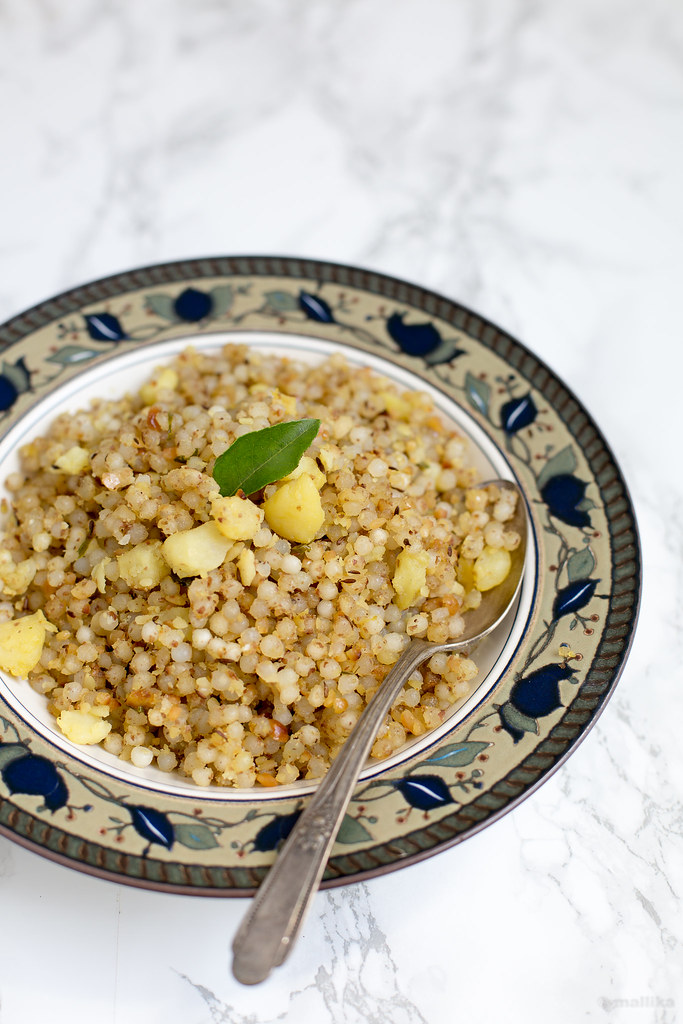
Sabudana Khichdi is a very authentic signature Maharashtrian dish. Although this is not very commonly known to many people of other regions/states, one is bound to fall in love with this once introduced. It's commonly made during the fasting days.

My paternal mother would fast every Monday and Thursday. The fast was not meant to starve, but to refrain from consuming wheat, rice, pulses and a couple of forbidden food items. These were days we would wait eagerly for, as she cooked the most awaited dish, Upavaschi Sabudana Khichdi. I simply loved it and I still do it to this day.

During our stay in Khamgaon when dad was posted in Maharashtra, I would eagerly look forward to Thursdays. We would hit the market streets on Thursdays, when this dish along with other Upavaschi uphar was made. Crowds thronged the temples, followed by the streetside hole-in-the-wall shop that stood adjacent to the temple. My complain was why can't this be sold more often on daily basis by more vendors. With this dish being so popular, why not sell it more? But I guess it's so commonly made in all Marathi homes that they would probably not think of buying it outside!

As kids, we loved this dish and looked forward to days when mom made it. But she would resist from making this more often as we always over-indulged. Besides this, sago is heavy on stomach and not an easily digestible food. This is the reason why it is eaten on fasting days so that it helps in beating hunger for longer time. Before leaving Khamgaon, amma picked few packets of good sago. I took some from her and attempted to make them at home... not for fasting, but for breakfast. It was a big hit, as my husband who was not particularly fond of it earlier (he tasted them for the first time in Khamgaon after all my hype) is now a big fan of the same!

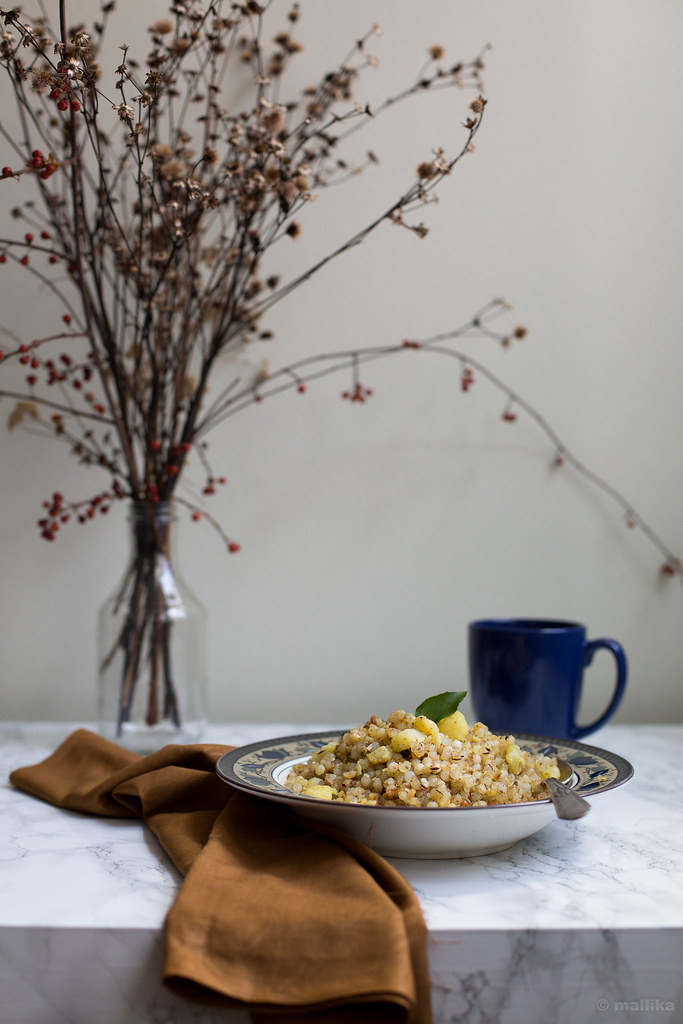
Sabudana Khichdi


Upavascha Sabudana Khichdi

INGREDIENTS

1 cup sabudana(sago)
2 tbsp. oil
2-3 green chillies, chopped finely
1/4 cup coarsely ground groundnuts
1 boiled & peeled potato
1/2 tsp. cumin seeds
1 tsp. sugar
Salt to taste
A sprig of curry leaves (optional)

DIRECTIONS

Wash and soak sabudana in water for atleast 4 hours. I prefer soaking overnight. The best method to get perfectly soaked sago would be to drain the water after washing sago. Soak sabudana by adding just enough water to cover them. Do not go above 1/4 inch more than sabudana level. You can sprinkle more water later if required. The sabudana should swell well. You can test them by pinching the granule between your fingertips and they should turn mushy.

To the sabudana, add in crushed roasted peanuts along with salt to taste. This will help to reduce the sabudana granules from sticking to each other while stir frying.

Heat the oil in a pan and add cumin seeds. When the seeds crackle, add finely chopped green chillies and torn curry leaves. Add the sabudana mixture and stir well. Leave the pan uncovered and allow the sabudana to cook till they turn translucent in color. Add the chopped boiled potatoes and cook for another 4-5 minutes. Finally add the sugar and mix well. Turn off the flame and serve hot.