Showing posts with label Traditional. Show all posts

Thandai

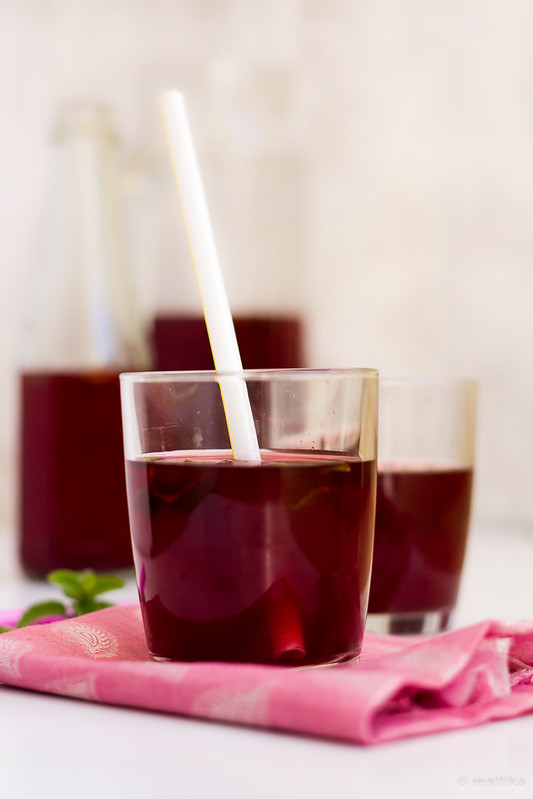
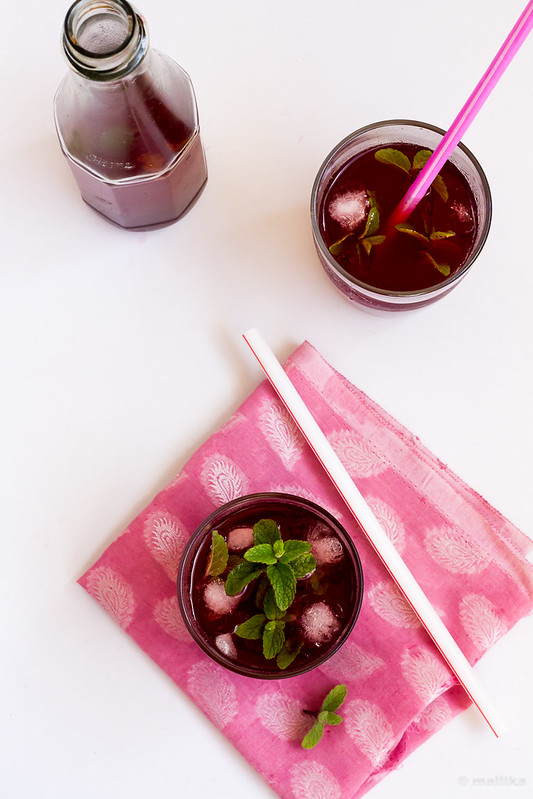
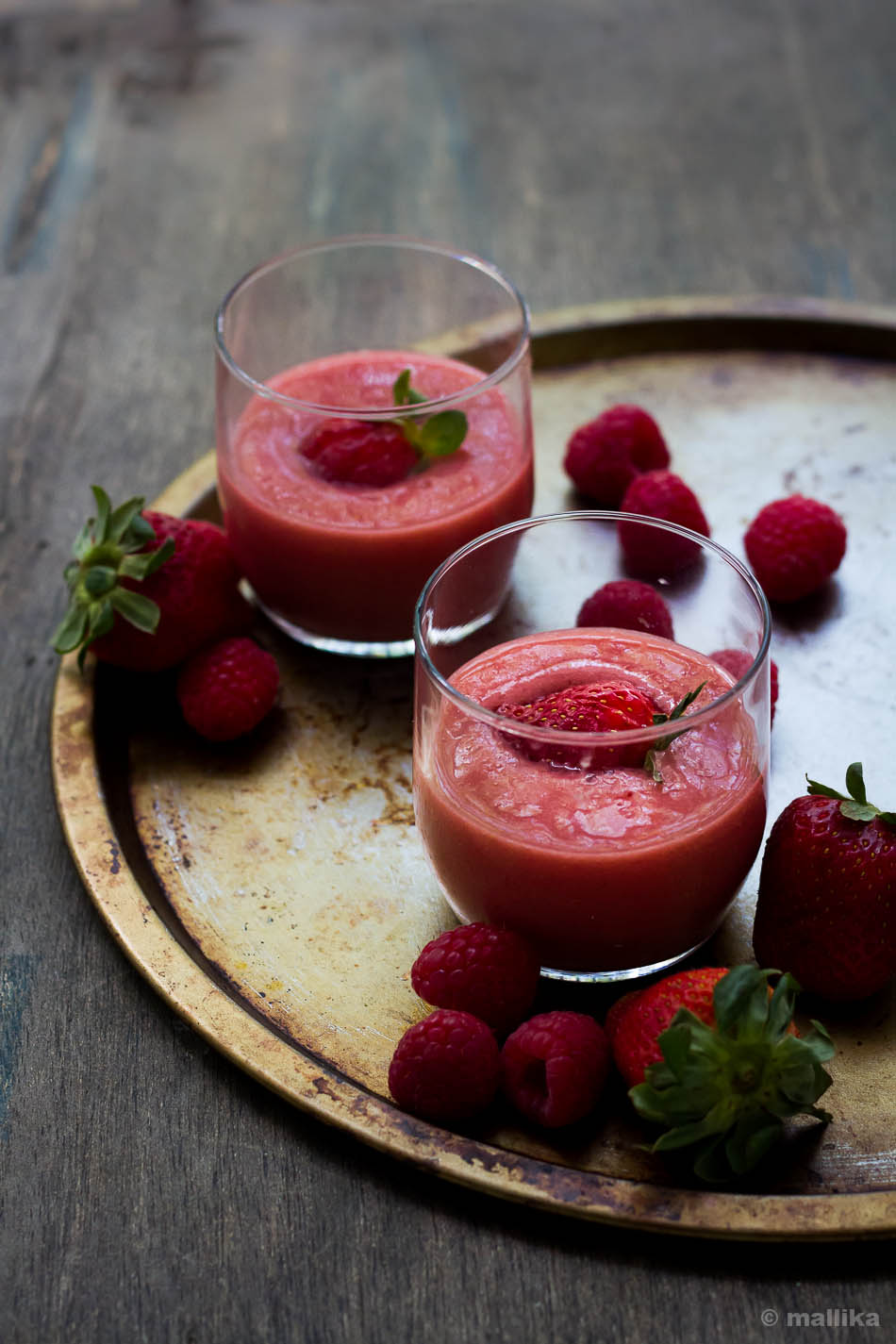
How to make Thandai | Easy Thandai Recipe
Holi is just around the corner and I have been dreaming of all the lovely Indian sweets and treats I can make and bring over here to refresh this space. Holi, the Indian festival of colors, marks the end of winter and commencement of spring. No Holi is complete without bright and vibrant colors, balloons bursting with colored water, the lavish thandais, mouthful of gujiyas and some good lyrical Hindi Bollywood numbers to tap your feet to as you get soaked in a concoction of colours.

I stayed away from partaking in this festival for most part of my life. My earliest memories of Holi dates back to the early years spent in Mumbai where the morning of the festival saw friends and neighbors from the colony flocking in the common areas of the building, smeared in psychedelic colors, throwing water baloons and smudging gulal at everyone in sight. Spirits high, air misty and hued, voices high pitched in celebration, it was a frightening sight for an eight year old. As a kid I stayed holed up under my mom's old sewing machine for most part of the day, quite terrified at the sight and sounds of those faces smeared in boisterous colors. It wasn't my kind of celebration.

Years have passed since the little girl who was once petrified of Holi now enjoys the sight of colors. Over years, I've let go my inhibitions and participated in it's celebrations during to my stay here in the US. Miles away from home, the need to connect and bond with Indian community is strong and comforting. Indian festivals give that opportunity. People, food and celebrations bring joy and positivity.

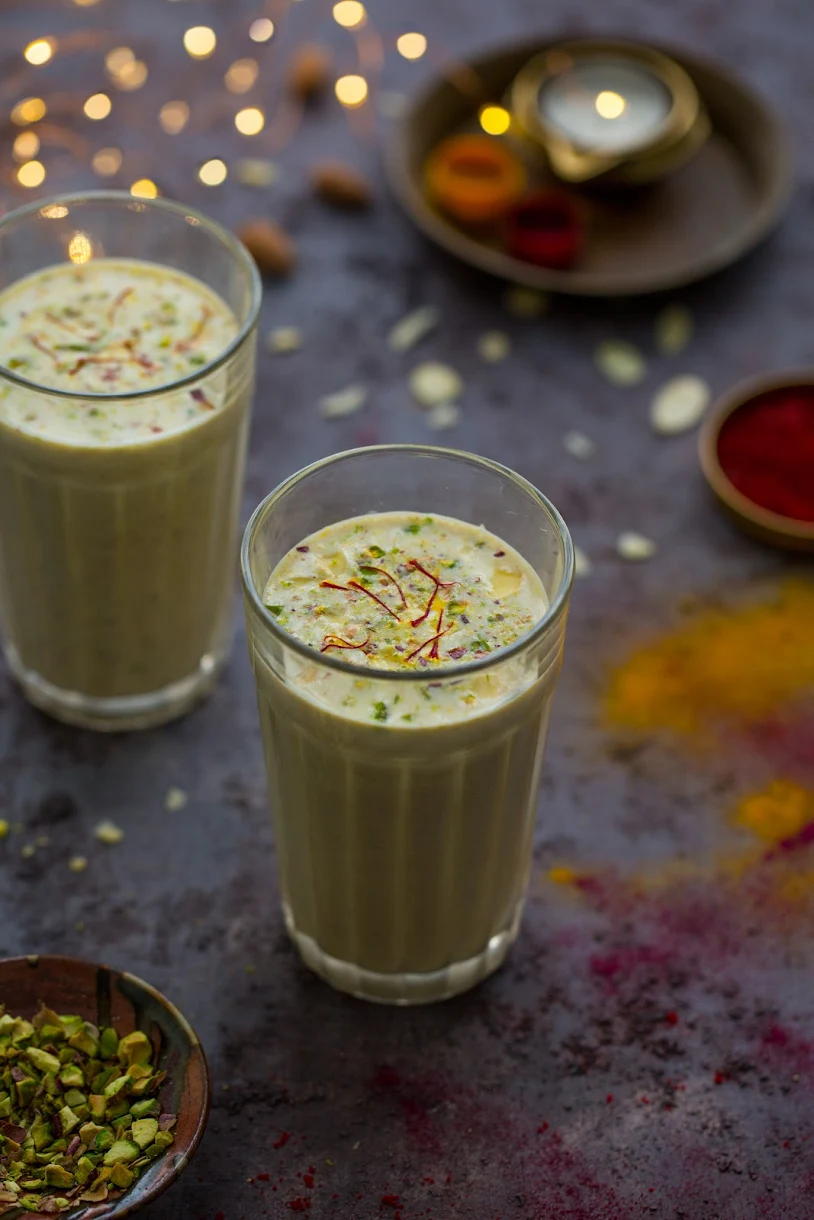
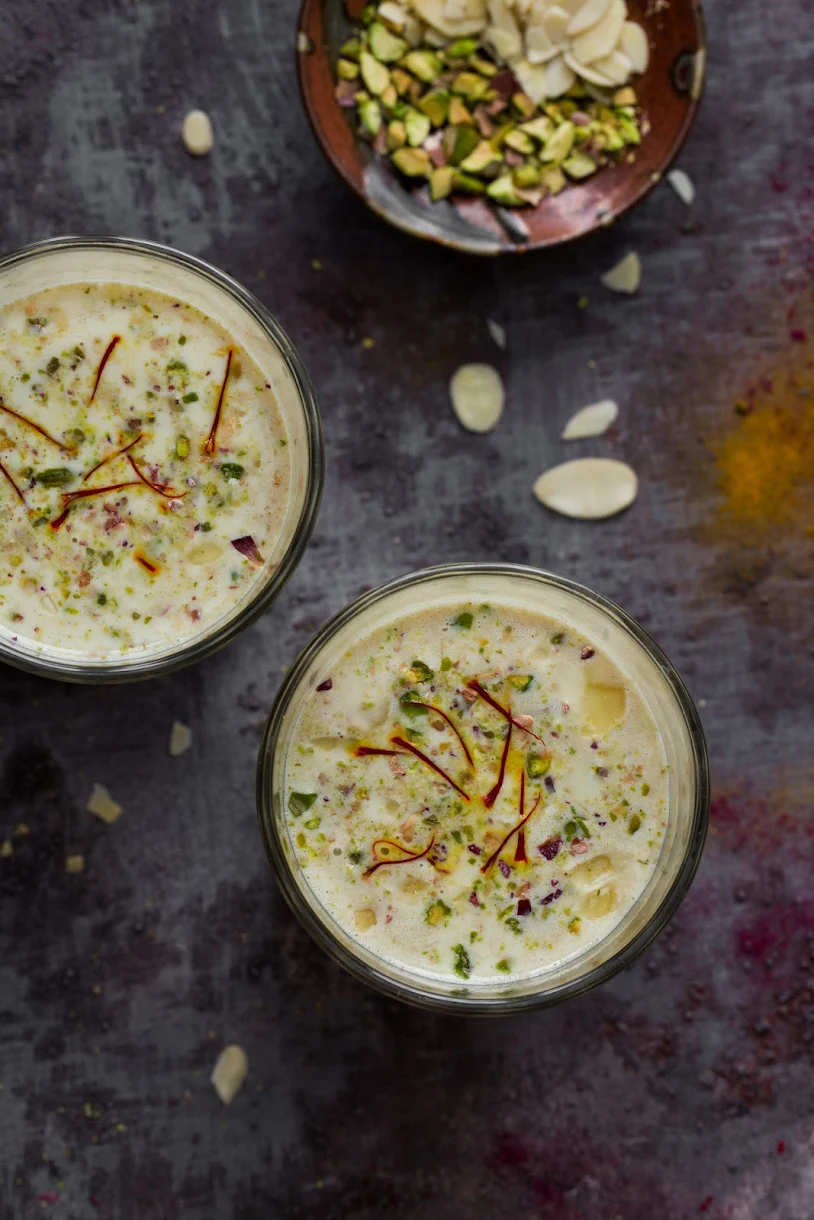
Sumptuous food and drinks is an integral part of Holi celebrations. No Holi is complete without a tall glass of Thandai, the fragrant spiced milk drink, made with amalgamation of ingredients like milk, saffron, nuts and spices. Come on over and let's make some soul-satiating drink that is delicious, cooling and an excellent thirst-quencher.
Thandai


Thandai

INGREDIENTS

1 tablespoon fennel seeds
1 tablespoon poppy seeds
1 tablespoon melon seeds (optional)
1 teaspoon peppercorns
Pods from 6 green cardamoms
10 almonds
10 cashews
1/2 teaspoon rose water
1 cup warm water
1 litre milk (replace by soy milk / oat milk / almond milk for vegan version)
Sugar (as per taste)

DIRECTIONS

Soak the fennel seeds, poppy seeds, melon seeds, peppercorns, cardamom pods, almonds and cashewnuts in a cup of warm water for 30 minutes. Then grind the soaked ingredients into a fine paste and keep aside.

In another small bowl, soak the saffron strands in warm milk and set it aside for 30 mins.

Next, in a pan bring milk to boil. Add sugar to your preference, stir well and simmer till the sugar melts in the milk. Add the ground thandai paste to the milk. Mix well and simmer for 2 to 3 minutes. Turn off the heat, add the rose water and let it sit covered till it comes to room temperature. Then refrigerate it to chill for atleast 2 to 3 hours or preferably overnight. Garnish with some crushed rose petals, saffron strands and chopped almonds and pistachios. Serve chilled!

Note: I mention melon seeds as optional since they are not easily available where I stay. However traditionally Thandai uses melon seeds. Though it doesn't affect the flavor much incase you skip it.
Batata Poha

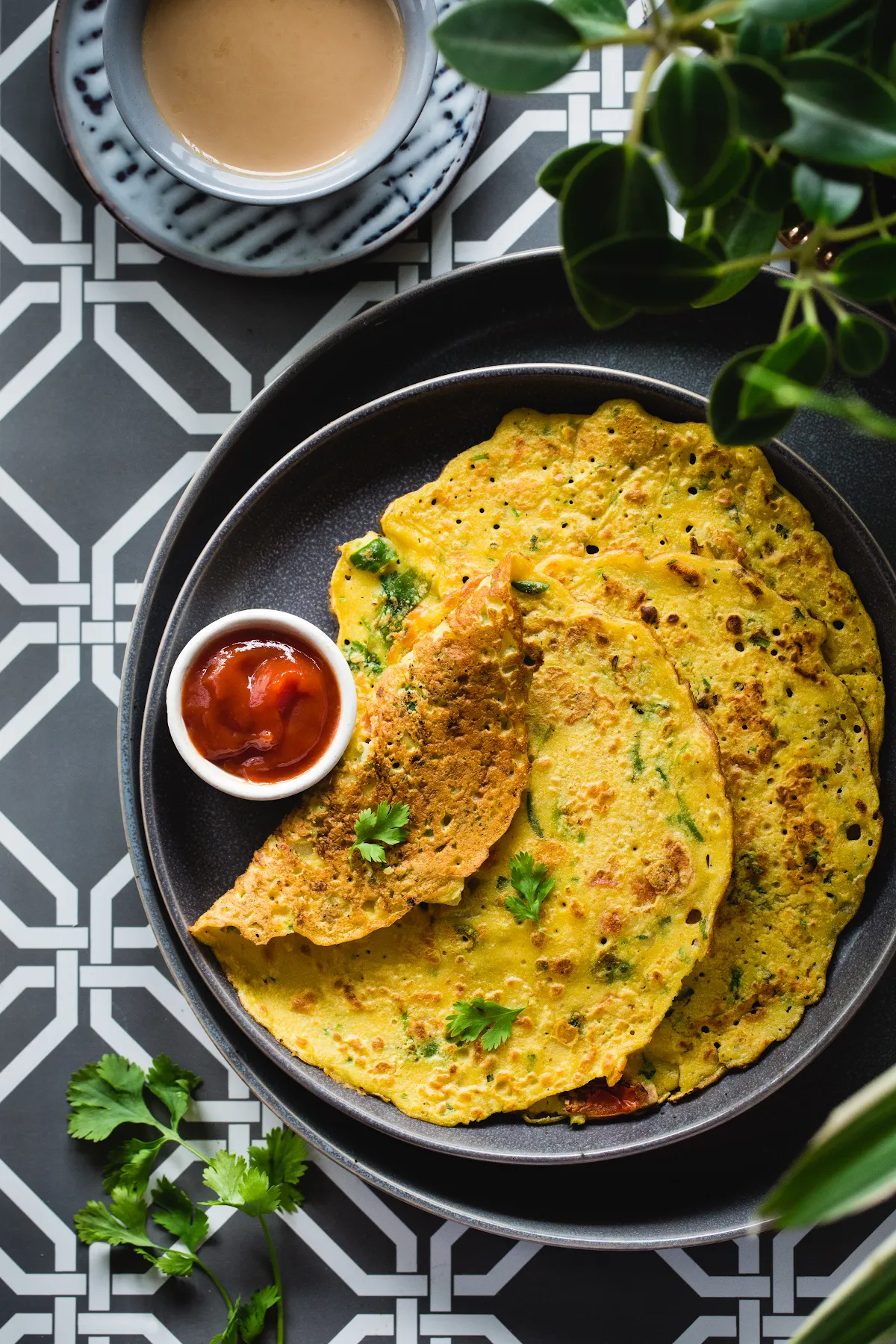
How to make Aloo Poha | Batata Poha Recipe
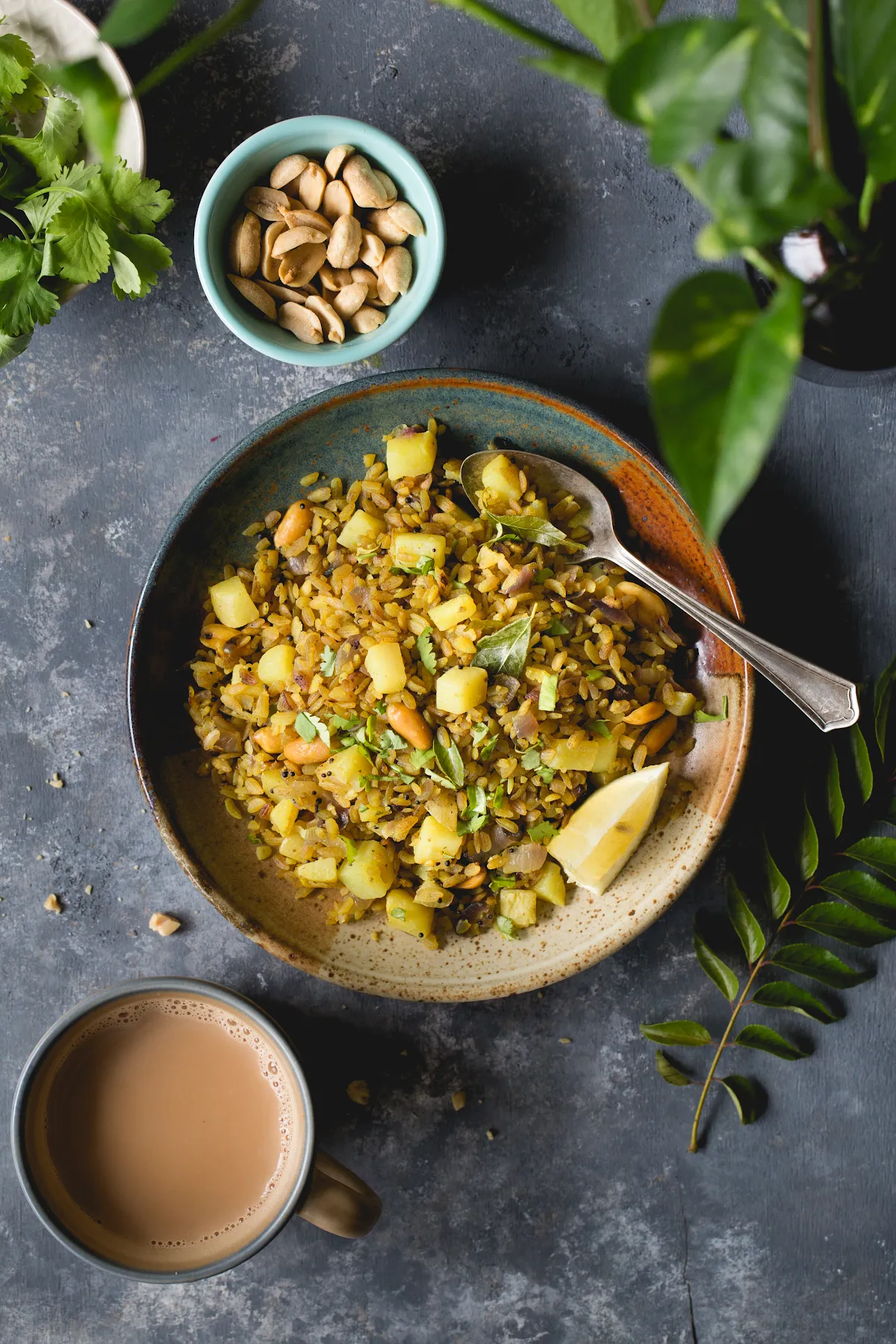
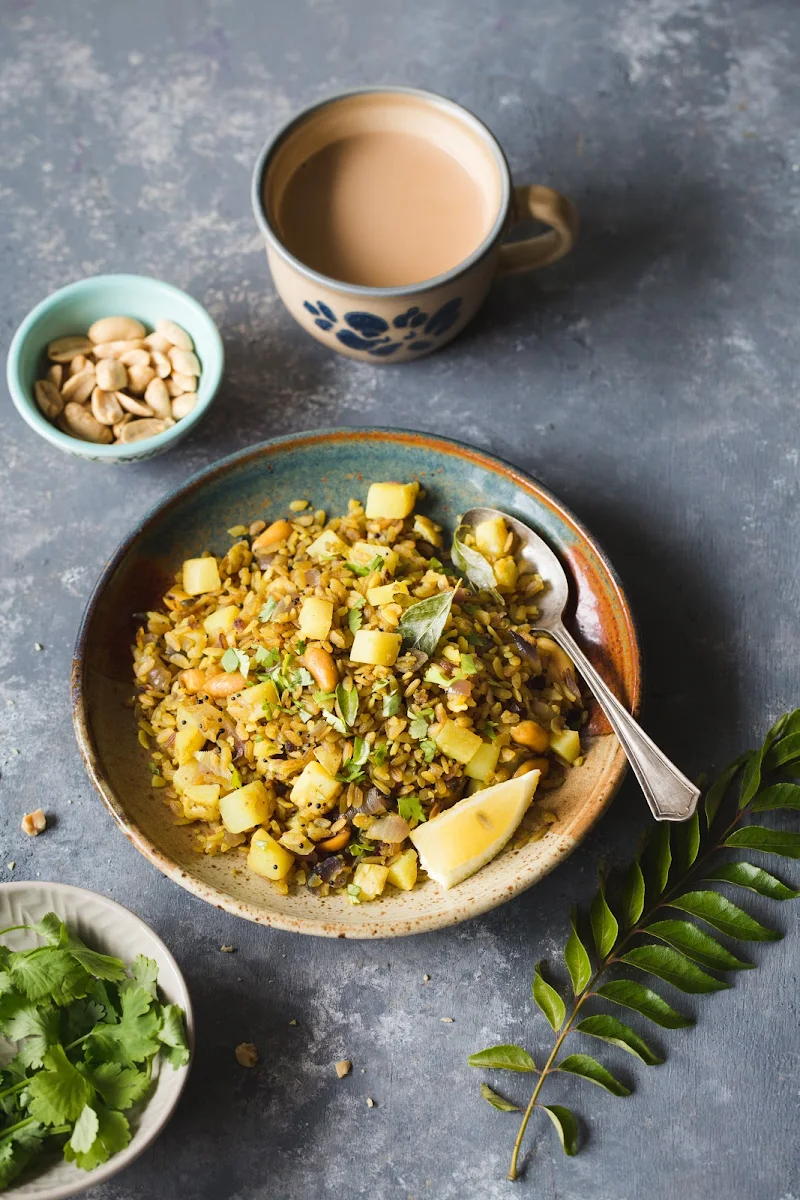
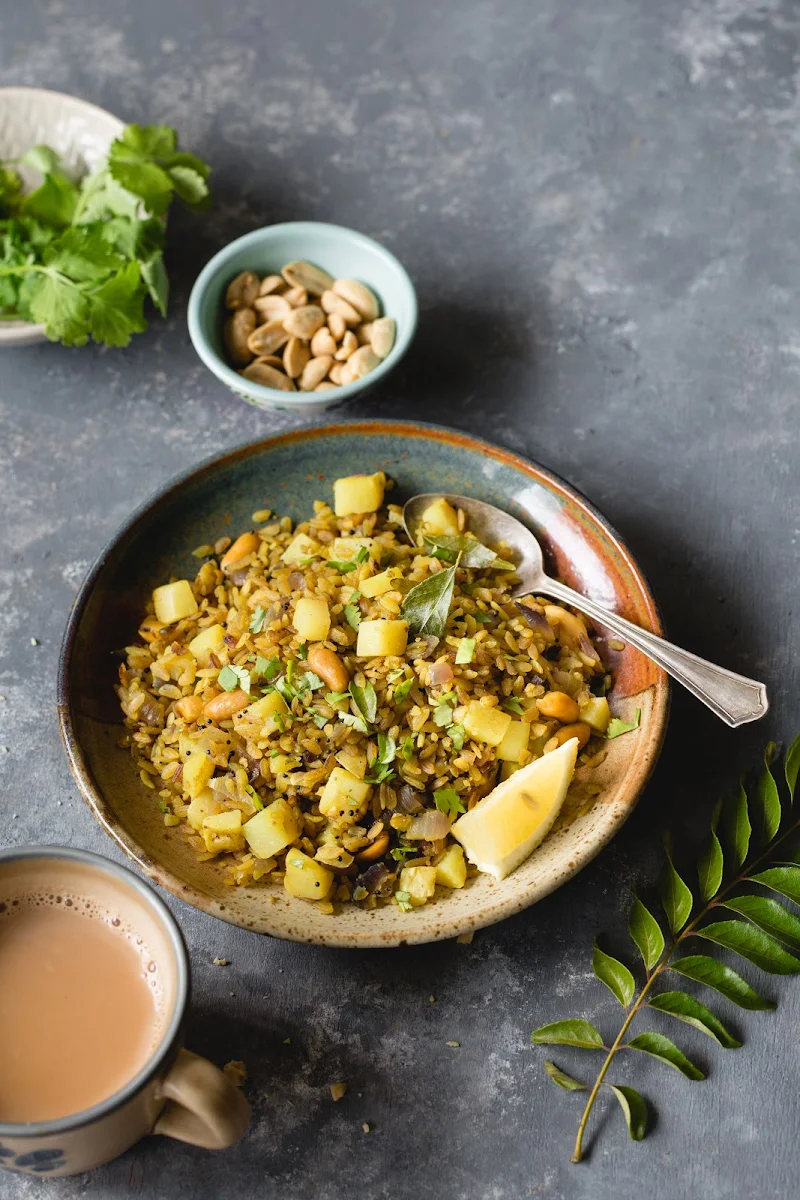
Batata Poha is a very popular breakfast dish from Maharashtra made with onions, potatoes (batata) and beaten rice (poha). Poha is a common breakfast dish made across India, with each state having its own subtle variation and names. There are numerous recipes for making poha, the recipes varying from one family to another, each with their own way of preparing it.
Kanda Poha and Batata Poha were made regularly at home. Karnataka has it's own variation called Avalakkibath which is quite similar to Kanda Poha, but has the addition of urad dal and channa dal in it, with garnishes of fresh grated coconut. Batata Poha though was always called as Batata Poha, and never Avalakki. Mornings with plate full of Poha, tall glass of warm milk and off we went to school full and nourished till noon.

This was also a breakfast made when we had guests over, or on days when mom was running out of time to prepare breakfast. Potato, in general is a loved ingredient by many, so that meant less fuss. I now make this Maharashtrian-styled Aloo Poha / Batata Poha regularly at my home and my family enjoys it well as much as I do.

Batata Poha


Batata Poha | Aloo Poha

INGREDIENTS

2 medium sized potatoes, peeled, chopped and diced
2 cups poha/beaten rice (thick variety)
2 tbsp oil
1 tsp turmeric powder
1 tsp mustard seeds
1 sprig curry leaves
2 green chillies, finely chopped
1/2 cup chopped onion
1 tbsp roasted peanuts
Salt to taste
1 tsp sugar
Juice squeezed from 1 lime
Fresh coriander leaves to garnish

DIRECTIONS

Wash the beaten rice thoroughly and drain the water. Add turmeric powder and salt, mix well and keep aside. While the poha blooms, proceed to prep the rest of the ingredients such a chopping potatoes and onions.

Heat oil in a fry pan, add in the mustard seed and let it splutter. Add the chopped onions and stir fry for 30 seconds till they are transclucent in color. Next add the diced potatoes, torn curry leaves and green chillies. Stir fry for a couple of minutes till the potatoes are cooked, yet have a bite. Add in the soaked poha/beaten rice. Turn heat to medium low and gently mix all the ingredients. Cover and cook for atleast 5 mins. Once cooked, remove from heat, add sugar and squeeze juice from 1 lime. Garnish with roasted peanuts and chopped coriander leaves.

You can cut down the cooking time by using boiled potatoes before hand. You can add the potatoes into the tempering oil, stir-fry well and allow it to cook. That way the potatoes get a slight crunch. This however takes a longer time and consumes more oil, hence I avoid this version. The one that I make is a quick, healthy and less time consuming since the potatoes are pre-boiled and need no further cooking. Addition of a teaspoon of sugar and lime is optional, but this really adds an edgy flavor, which is typical to Maharastrian cuisine.

An alternate version of this called Kanda Poha, where onions are used instead of potatoes is quite a common breakfast. This breakfast is not just simple and healthy, but also filling to keep you going for long.

Kanda Batata Poha


*This post was updated and republished recently.*

Mini Sweet Bell Pepper Rice Bath

How to make Karnataka Style Rice Bath | Easy Capsicum Rice Bath Recipe
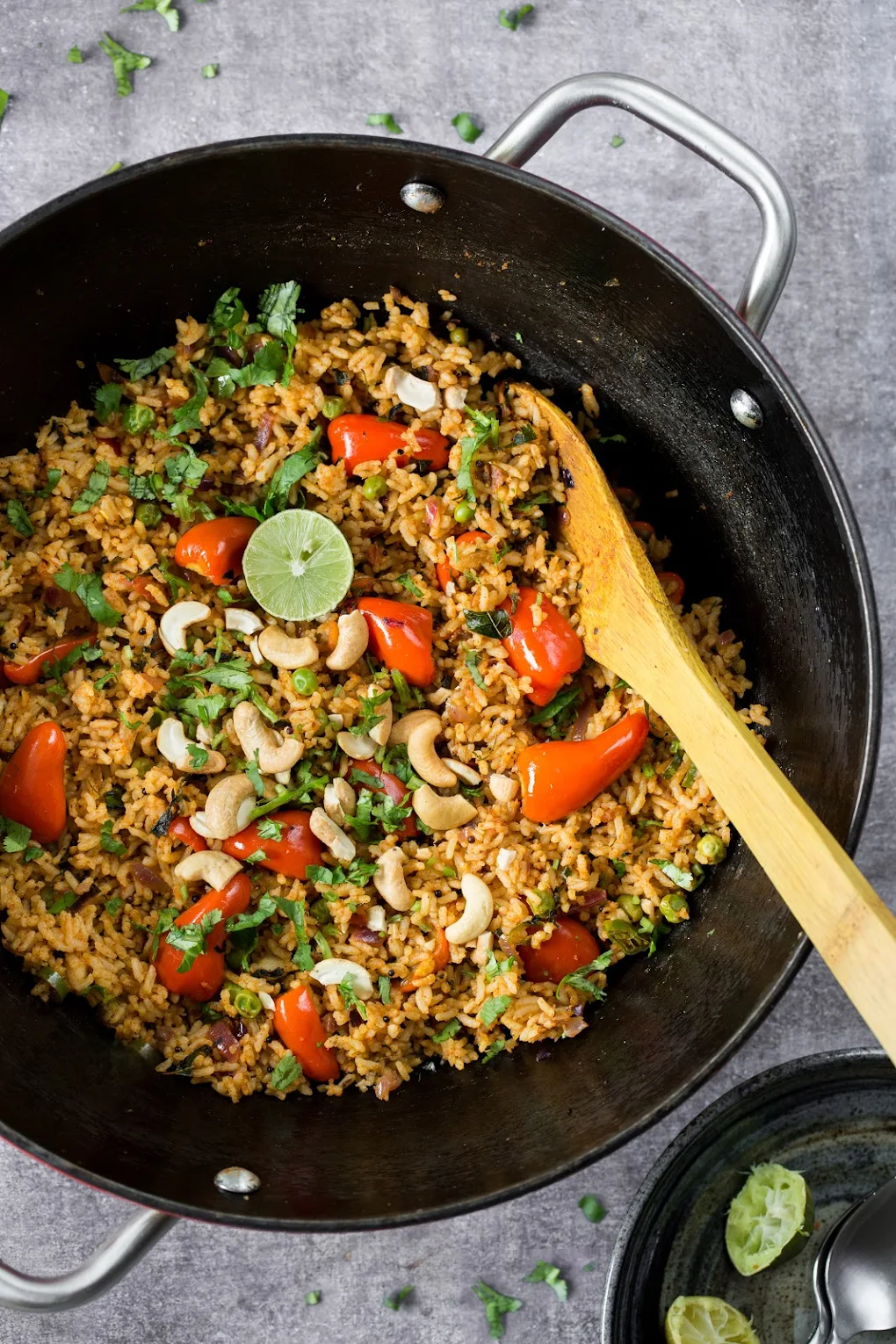
'Rice Bath' is a common term used in Karnataka for dishes made with cooked leftover rice. It's a spiced rice where vegetables are added to make a nutritious and wholesome meal. The recipes differ from one family to another with many swearing by vaangi bath powder, and others using the readily available stash of sambhar or rasam powder. I keep it simple by using homeground sambhar powder that comes from my mom's kitchen. I've seen my mom do it that way and I've been following it ever since.

Rice Bath is made in a kadai or a large wok, unlike pulao or biryani where rice is cooked raw along with spices. It's a great way to revamp leftover rice and turn it into something more wholesome and scrumptious. This is also my go-to base recipe for Tomato Bath. I've used mini sweet bell peppers here, but it works equally good with capsicum, greens or vegetables of your choice.

Mini sweet bell peppers are tossed in a garlicky, onion and tomato base and stir fried with rice. Some frozen sweet peas are added too. Sambhar masala goes in for the heat. Sometimes I pep it up with red chilli powder when in a mood for spice. And finally I round it off with lemon juice for acidity and top it with roasted cashews for the crunch.

Mini Sweet Bell Pepper Rice Bath

INGREDIENTS

2 tbsp oil
1 tsp mustard seeds
2 garlic, finely chopped
1 small onion, finely chopped
1 sprig curry leaves
2 green chillies
2 tomatoes, finely chopped
8-10 slit mini sweet bell peppers
2 cups of cooked basmati rice
2 tsp sambhar powder
Salt to taste
Juice from 1 lemon
Roasted cashews and coriander leaves to garnish

DIRECTIONS

Heat 2 tbsp oil in a cast iron wok, add 1 tsp mustard seeds and let it splutter. Then add 2 chopped garlic cloves and 1 finely chopped onion and fry for few seconds. Next add torn curry leaves and chopped green chillies and fry for few seconds. Add about 2 tomatoes, finely chopped and fry till they soften and reduce in volume. Add 1/2 cup frozen peas and cook for a minute. Then add about 10 slit mini sweet bell peppers and stir fry for a minute. Add 2.5 cups of cooked basmati rice, 2 tsp sambhar powder and salt to taste. Stir the rice and masalas well so that the flavors are well incorporated. Cook uncovered for another 2 minutes on medium low heat. Remove from heat and add juice from one lemon. Garnish with roasted cashews and coriander leaves. Serve with a side of chilled yogurt or raita of choice.

Kodubale

How to make Kodubale | Easy Kodubale Recipe
It's eve of Diwali today, that time of the year I look forward to the most with great yearning and excitement. Its around this time I hit my best stride. I'm the happiest, consumed by thoughts only positive, blurring out all negativity and pessimism, guzzled with happiness, reflection, joy and celebration, irrespective of how high or low the year may have been. I hope yours was a fantastic one and continues to be so in the year ahead. I wish you a wonderful Diwali, and a year filled with good luck, health and prosperity. Wish you all a Happy Diwali and a prosperous New Year!

Kodubale_02


Right now as I write this, I sit on my dining table overlooking our balcony lit with tiny serial bulbs, running end to end, hung over the balcony parapet like wet jeans on cloth liners, its warm LEDs creating a bokeh effect on the hindsight in a very soothing way. Our little girl has been running around the home in sheer excitement of the festive hoopla. I miss the sounds of zameen chakras, rockets and phooljhadi (flower-pots) bursting in the vicinity, that reminds me of home back in India; but in a few minutes from now we'll head out to the local temple about 5 miles from home, where sounds of bursting crackers and rings of temple bells will chime alongside families wishing each other Happy Diwali. There's community get together - with prayer, celebrations, food and musicals to round off the night. Also, with parents around, our home is smelling of kodubales and shankarpalis and that's nothing short of what Diwali has been for us - food and celebration, both in plenty.

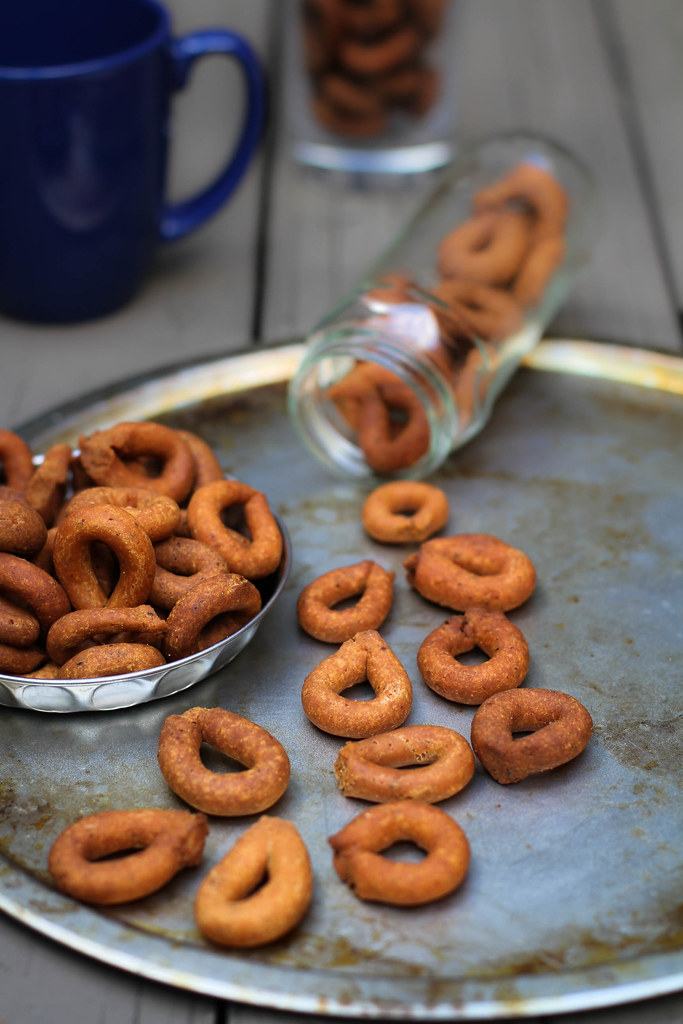
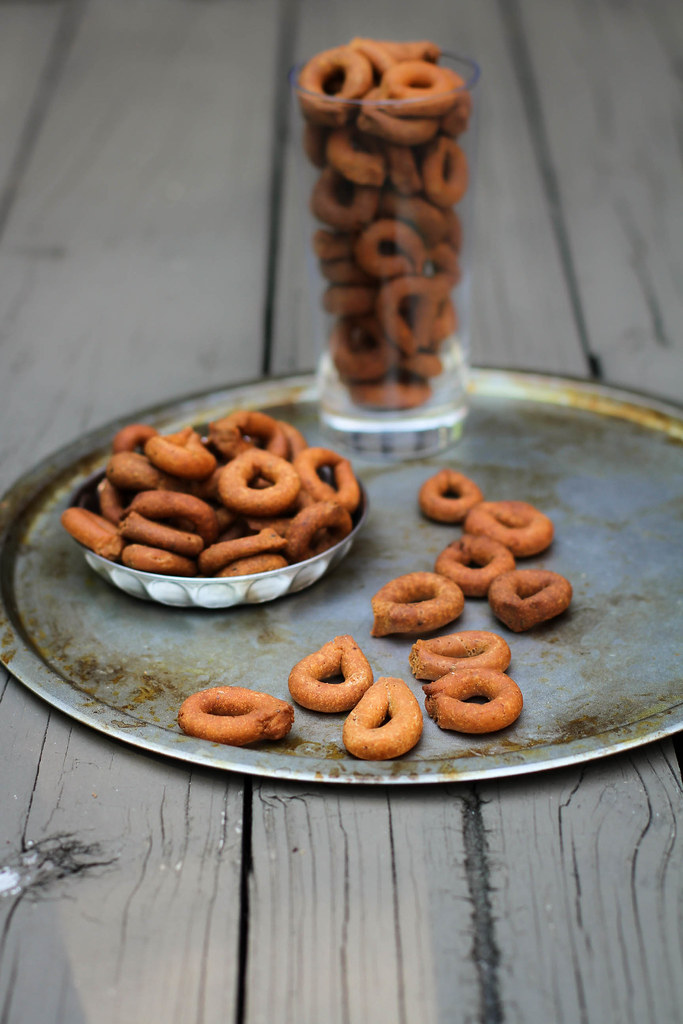
Before I head out, I'll leave you with this recipe for Kodubale, a traditional Indian savory snack that we grew up eating way too often, that there came a point when I hated it by heart. After I moved to Bangalore, I did not eat them for years. And then slowly, there came a time when I went back to eating them on my occasional trips to Mangalore, where they are made in plenty. It wasn't with much fervor though, but I know why so. Kodubales are made plenty in Mangalore - every bakery stocks them, every house stocks them, they are gifted too. They stay fresh for long, so most homes will serve you with a plate of these alongside tea. Women in most households have a recipe of their own, so they either whip up batches and stock by larders or they rush out to the nearest bakery to buy them the moment they hear a guest is about to arrive. My relatives even brought them along to gift whenever they visited us. Eventually it was overdosed and I saw aversion to it.
Of what I remember, these require no occasion to treat upon really. You make them on whim, serve your guests, feast them on festivals, snack on them in evenings with your tea, or simply carry them on your bus rides to munch on when odd hunger pangs strike. They are fried ofcourse, but they won't do much harm as a lot of the rice flour in the recipe is immune to absorbing oil. So you'll have a delicious savory that you can eat guilt free. I highly advise not experimenting these with baking, as they can obviously end disastrous. But if you have courageous nerves that I don't have, and you are successful at baking these, please share your tips with me. I will be overwhelmed to hear from you. On another note, you can control the amount of heat to your liking. I love these spicy, but if you like them low on spice, use a milder chilli powder for the heat. They are delicious I bet!
Kodubale_03


Kodubale

Prep: 30 mins | Cook: 20 min | Makes: 3 dozens

INGREDIENTS

Dry Ingredients:

2 cup rice flour
3/4 cup roasted split bengal gram (huri kadale)
1/2 cup desiccated dry coconut (powdered copra)
1/4 cup maida / plain flour
1 sprig finely chopped curry leaves
1 tsp. red chilli powder (I use a spicier one, such as Guntur chilli powder)
2 tbsp. sesame seeds
1/2 tsp. good quality asafeotida
Salt to taste

Other Ingredients:

2 tbsp. hot ghee
Oil for deep frying

DIRECTIONS

In a mixie, pulse the roasted gram into fine powder and keep it aside. Mix all ingredients mentioned under dry ingredients list along with roasted gram flour and make a well in the center. Add hot ghee and mix into the flour. Add just enough water to knead it into a firm dough.

Pinch out lemon sized balls of the dough and roll them using your palms into a long, 1 cm thick rope. Cut the rope into 7-8 cms long strips. Bring the 2 ends of the strip together and pinch its ends to form a tear drop shape. Alternatively, you can bring the either ends together and pinch them to seal, thus forming a round bangle shaped ring. Prep all of the dough and keep it ready for frying.

Meanwhile, as you prep the dough, heat up oil in a kadhai / wok to medium low heat. Test by dropping a small ball of dough. It should sink first and raise up to the surface. Once heated to this stage, drop the prepared kodubales into the hot oil and fry them in batches on medium low heat till they are golden brown in color. Do not clutter many in each batch as they need to be cooked through well. The temperature of the oil is key in making good kodubales as hotter oil will tend to crisp the kodubales faster, while the centers may still be uncooked. Remove from oil and drain on a kitchen paper. Allow them to cool completely and store them in dry airtight containers. They can be stored and stay fresh for about 2 weeks.

Kodubale_04


Kokum Mint Spritzer

How to make Kokum Mint Spritzer | Kokum Mint Sherbat
Its taken longer than intended to be here. Between this time, I slipped and slid deeper between cracks of workload. At this very moment, I have several windows running on my taskbar, sticky notes spread in all corners of my screen, many official mails to respond and a constant juggle with alt-tab keys to switch between the screens. There’s an excel sheet burdened with numbers everywhere, so heavy that I'll soon need to pop some pills to fight off my pounding head. My weary eyes have been rolling from ends to ends of screen with my fingers constantly prancing on the keyboard. The sudden surge in workload has been keeping me busy late nights and in offbeat hours.


Kokum Mint Spritzer_1


A bit of relief comes from this Indian Food Blogger Meet that I so much look forward to. When the girls at IFB meet got together and rolled out this idea, I instantly knew my calender had to be blocked for these two days. Despite being an active blogger for over 5 years, I haven't been actively participating in blogger meets owing to personal constraints. So when this came across, I sent out leave notes to my manager highlighting my absence from work for that day.

IFB Meet has loads to offer. It comes with many unspoken promises. If you are not convinced, hang around here and you'll know the depth of effort these girls have been putting in to bring food bloggers together. I am looking forward to meet and greet many lovely people there, all sharing similar interests and passion for food blogging. It will be a great place to break ice with many fabulous bloggers whom I have never seen or met or virtually known. I trust my instincts that this will be worth every bit; that there will be an overload of fun, filled with learning, food, friendship, giggles, laughter and loads to take away!

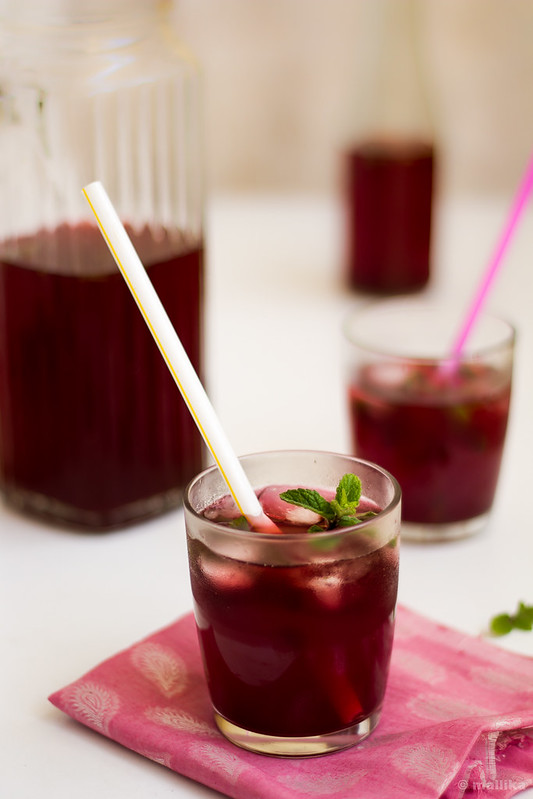
While food bloggers on facebook have been pouring in recipes for a line up of contests for the registered participants at IFB Meet, I wasn't too far from this temptation. IFB Meet 2014 announced The Urbandazzle Contest recently, where the participants are expected create an interesting monsoon / summer cocktail or mocktail recipe with an Indian flavour. I put together this beautiful Kokum Mint Spritzer, quite inspired by an ingredient that belongs to my culture and is traditionally so Indian. I couldn't have thought of anything better. And I wonder how much more impressive this drink would look if you presented in UrbanDazzle Glassware! A stylish drink that's a perfect coolant on days when sun shines on your shoulder or when raindrops pitter patter on the window sill.


Kokum Mint Spritzer_2


Kokum Mint Spritzer

To know more about kokum read here.

15 dry kokums
2 1/2 cups sugar
A generous pinch of salt
5 cups of club soda
1 cup warm water
Handful of mint leaves

Wash and soak the kokums in 1 cup of warm water for atleast 2 hours. Once they soften, grind them along with their water till they are fine in paste. Sieve them through and discard the fibre. Into the collected kokum juice, add in sugar and salt and stir well till they are completely dissolved. Allow to chill in fridge for 2 hours. When about to serve, top with sparkling water or club soda. Add in broken mint leaves and shake vigorously in a cocktail shaker. Sieve and serve chill. If serving this to toddlers (as in my second picture), skip the sparkling water / soda and replace with regular mineral water instead. Top with mint leaves. Serve chill.


Kokum_Mint_Spritzer_3

TonDekayi HuLi_1


I had a craving last noon. It was a serious one to say. A craving that cracked me crazy. In a long time I reminded myself and yearned for a morsel of it. Just a morsel that would satisfy me and feel at peace. May be it was the dreary weather or miss of my daily dose of conversation over phone with amma-appa, ever since they whisked far away to explore the greener pastures of Europe for their annual holiday. But it kicked me hard in my stomach. So hard, that I reached out to my husband on a frantic phone call to make a trip down to Indian stores that very evening, in every sense of urgency. 'Twenty-eight miles just for a coconut? Can it not wait? Wasn't it two days ago we had been there?', he zapped in midst of Monday morning chaos at work, composing his thoughts over matters more important than a mere coconut. Damn! Who knew I would hanker so much for a simple bowl of huli! For a craving that has least sense of timing or inventory (could I just not do with the leftover sweetened coconut I used here?), but had to be appeased.

TonDekayi HuLi_prep1 TonDekayi HuLi_prep2 TonDekayi HuLi_prep3


Truth to be told, the past three months never saw a day with fresh coconut. We never bought one here. The Indian store we shop at barely stocks one or two sad looking coconuts, often sleeping on the verge of their expiry bed. The packaged grated coconut is a bigger risk to buy. What if it tuned out to be rancid? After all, with no packaging date on it whatsoever, I wonder for how long it has been sitting there. The brand new blender I bought, advertised it could churn blocks of ice to granita in seconds. It broke out within days with a nasty burnt smell while attempting a simple fruit-date smoothie. That, enough was a hint for me. It could not stand the heavy duty grinding of Indian spices and coconut.

TonDekayi HuLi_2


Coconut chutney, tambli, gojju, paladhya, menskai did not feature in our menus. Otherwise the usual course of tip-toeing and balancing myself between Northern and Southern cooking, here I was, survived mostly by chopping copious batches of onions, brewing gallons of tomatoes to broth, throwing mounts of red chillies and garam masalas in almost every fare I made, cooking basic Northern dishes much to my husband's delight and satisfaction. I did make occasional saar that didn't call for coconuts, served dosas with coconut-less-chutneys and palyas that went without the mellowed sweetness from the much-desired-generous-garnish of fresh coconut. The pre-packed coconut I had bought long ago assuming would be good for curries was so sweetened, that it was consumed in desserts and occasionally bitter-gourd stews.

The little Southerner in me craved for the real deal.

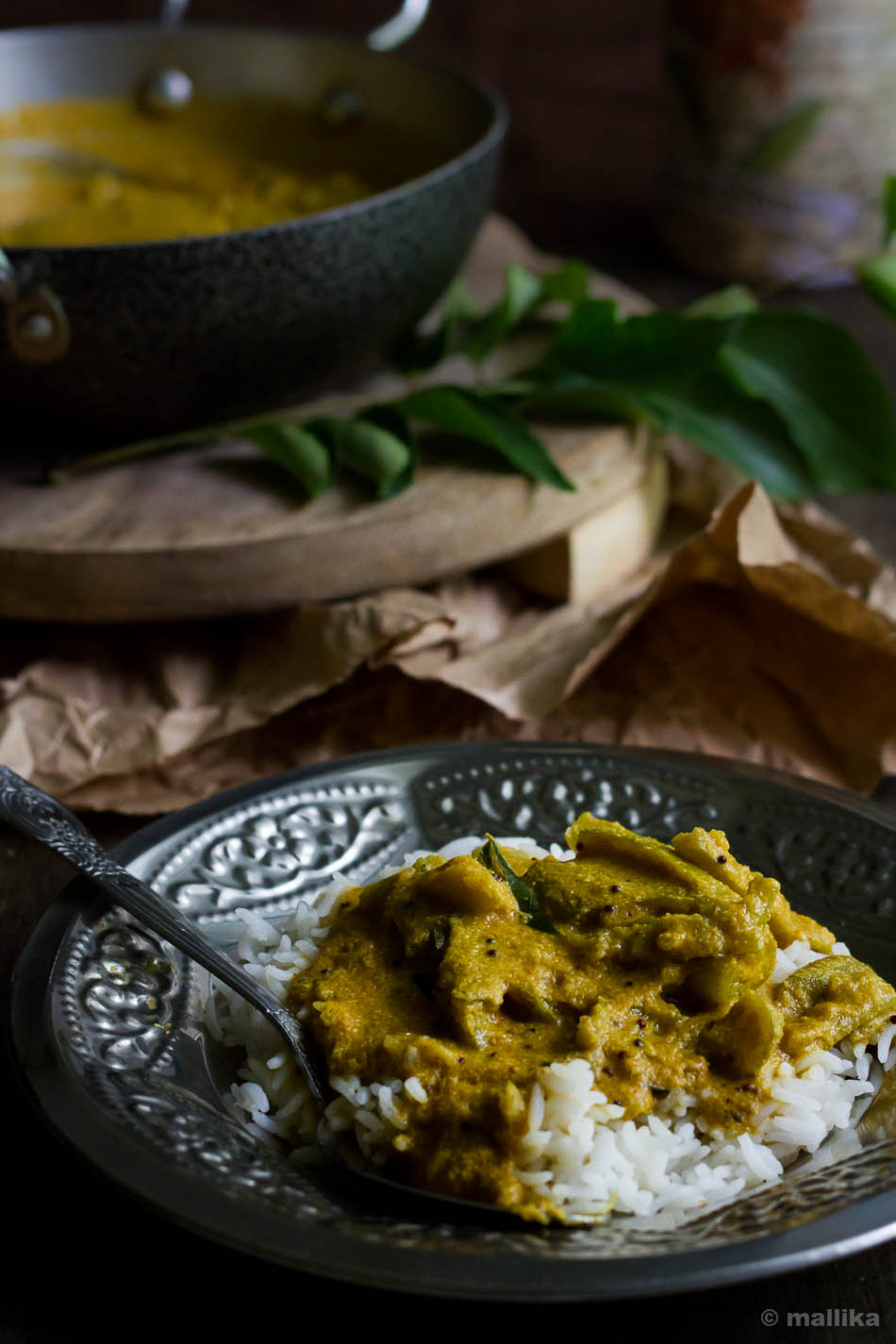
So it had to be. A day I called for huli. Made the way my mother makes it, smashing whole tondekayi (known as tindora in hindi / ivy gourd in English) and tossing them in a delicate coconut based curry infused with garlic tempering. Little toiling and more satisfaction of finally accomplishing it - done, served and relished. In feeling of worth and delirious joy like none other. Of clinching rice between fingers, mashing them through huli and drawing morsel by morsel of it with fingers to satisfy the insatiable desire of being home. Of savoring comfort food that reminds me of my mother. Of swaddling in spices that brings aromas of her kitchen into mine. Deep satisfaction. Simple joys.

TonDekayi HuLi


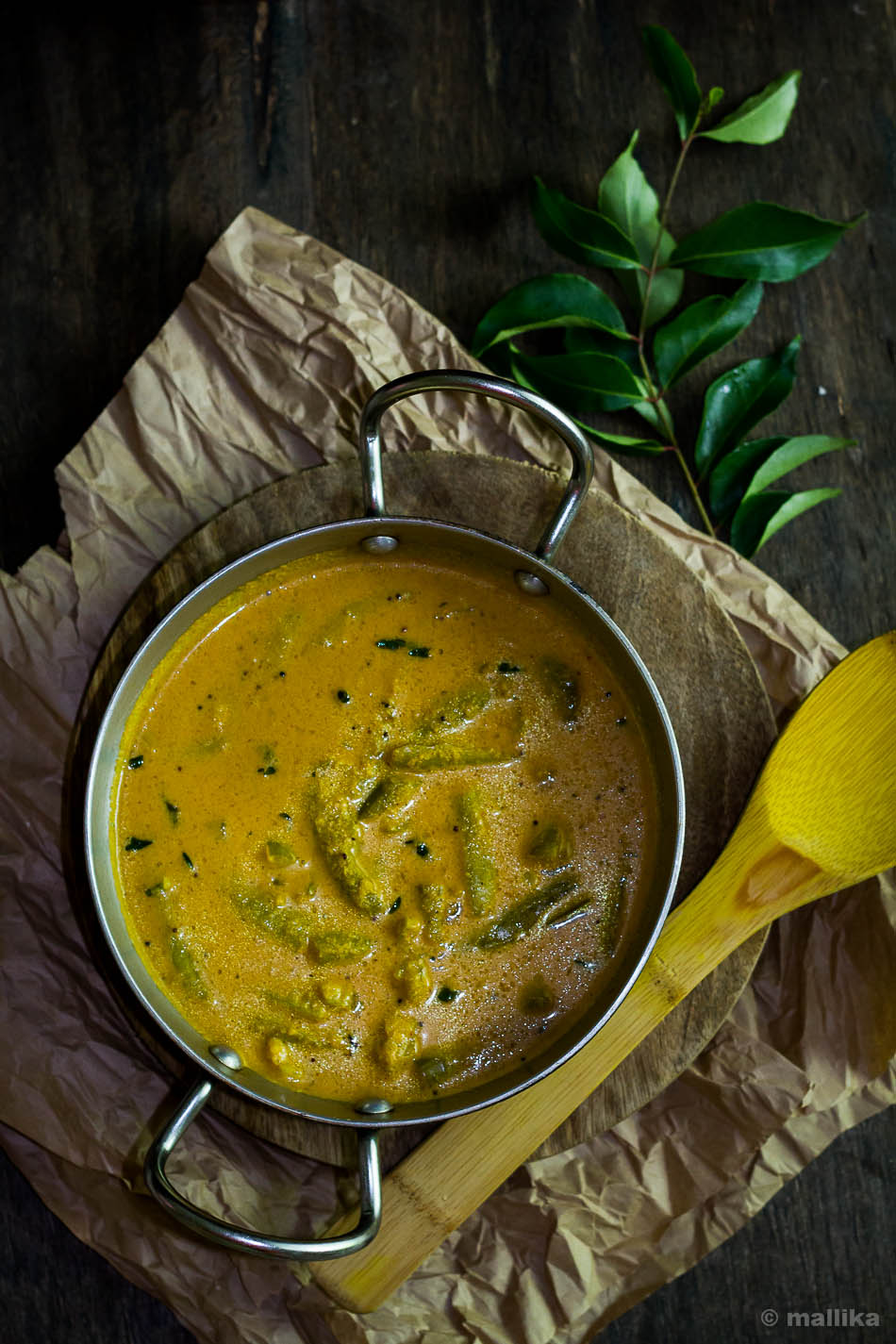
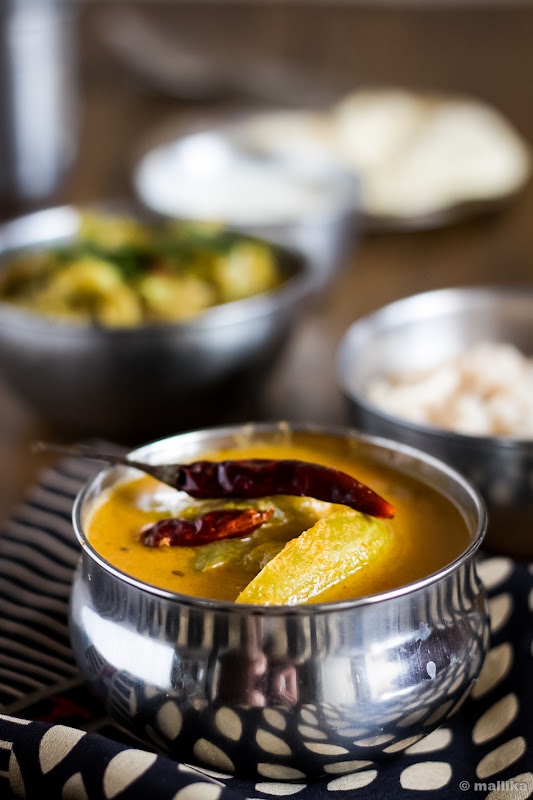
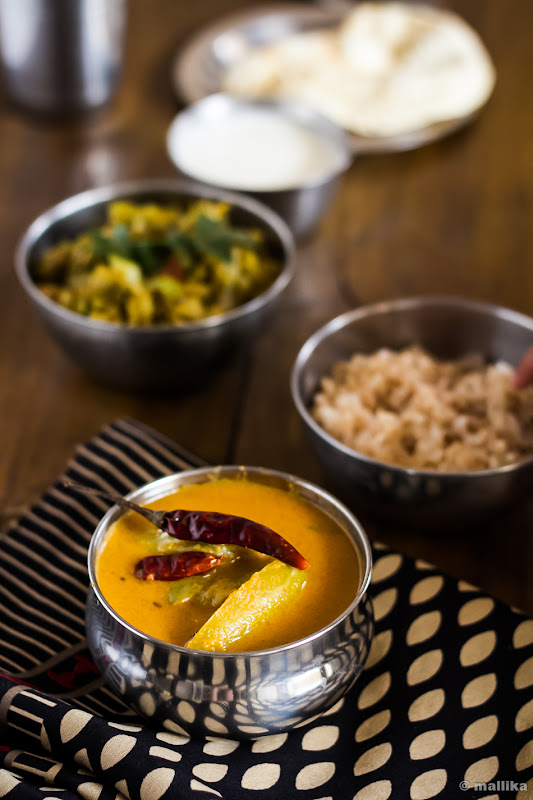
TonDekayi MeNasina HuLi | Ivy Gourd in Spiced Coconut Curry

INGREDIENTS

20-24 ivy gourds( also known as tondekayi/ tindla/ tindora)
1/2 tsp. turmeric powder
Salt to taste

Grind to Paste:

1 cup grated fresh coconut
1 tbsp. thick tamarind pulp
5-6 red chillies
1 tsp. jaggery

For Tempering:

2 tsp. coconut oil
1 tsp. mustard seeds
3-4 garlic pods, smashed
A twig of curry leaves

DIRECTIONS

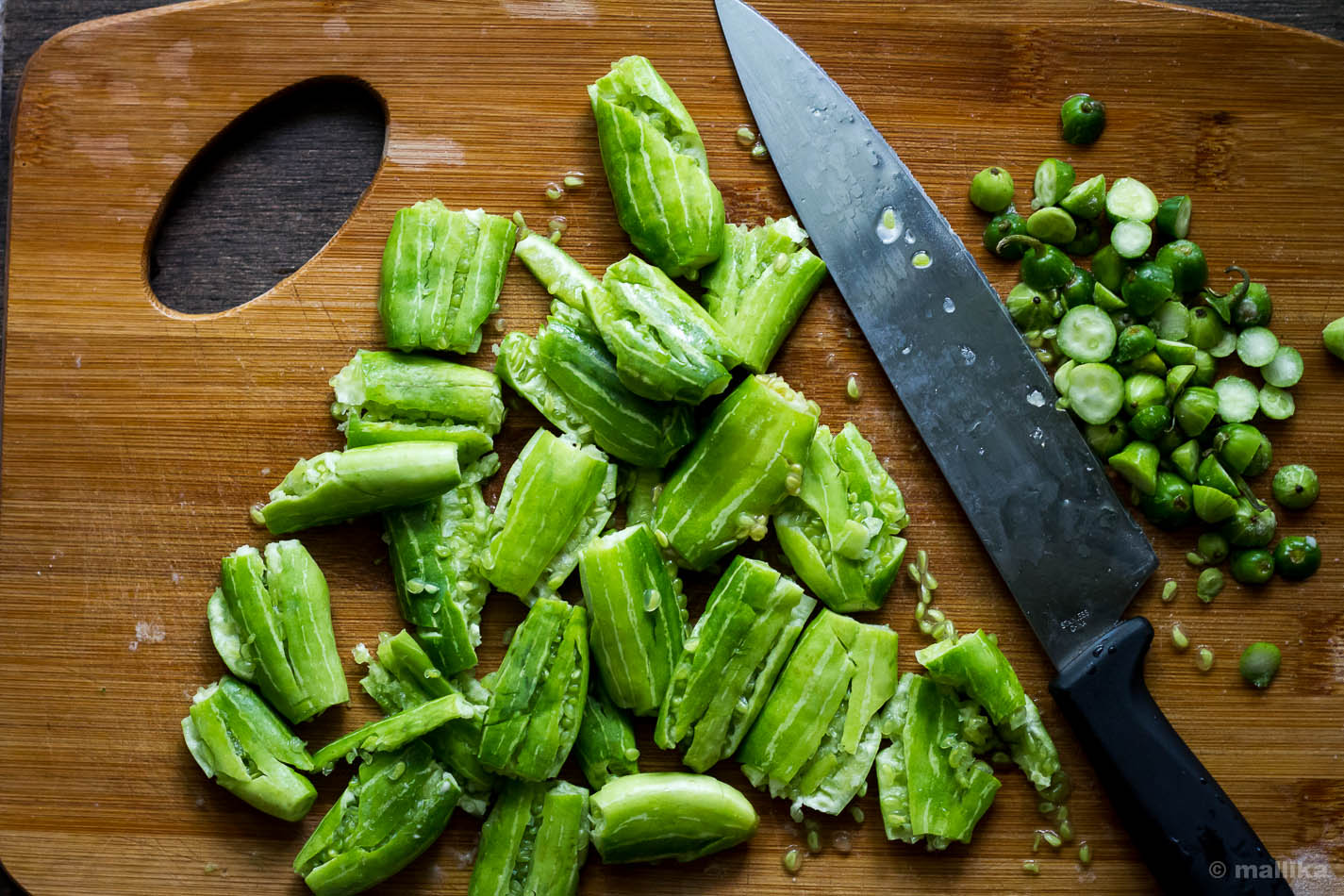
Wash the ivy gourds in running water and clean them on a kitchen towel. Snip off the tips at both the ends (as shown in the pic above). Using the wide bladed knife, smash the ivy gourd down against the blade, putting just enough pressure using the palms of your hand to smash it. We generally use a pestle to do this. A heavy rolling pin works fine too. What you get is a rough smash of ivy gourds that is still in tact and not broken apart. Transfer the smashed ivy gourds into a pressure cooker along with turmeric powder and salt and just enough water to cover the vegetable. Pressure cook it for 2-3 whistles. Meanwhile, while ivy gourds are being cooked, proceed to making the coconut curry.

Grind to paste the grated fresh coconut along with tamarind pulp, red chillies, jaggery. Add little water to enable smooth grinding. Set aside.

Release the pressure off the cooker and transfer the cooked ivy gourds along with the water into a steel vessel. Add the ground coconut paste, stir well and bring to a rolling boil. Adjust salt and more water depending on your preferred consistency. Simmer and let it boil for 5-7 mins for the spices to be absorbed.

Prepare the tempering by heating coconut oil in a small kadhai / wok. Add mustard seeds to it. As it begins to splutter, add smashed garlic and curry leaves. Fry them till the garlic turns golden brown. Add this to the prepared huLi. Serve hot with steamed rice.

TonDekayi HuLi

_MG_7299


Happy New Year 2014 folks! Welcome to the New Year with revived energies and new hopes for more dreams to fulfil. Hope you had a fabulous holiday time with your family and friends. I hope this new year brings good health, happiness, positivity, strength and peace to all.

We are getting over the holiday season and slowly bringing ourselves back into a routine. This year too, we headed to our home-town like we do every year during Christmas time. A short stay there with my parents and I was back home just before the new year eve. With work and office, this new year eve was a silent one for me. No frolicking, no partying. Just a retrospection.

_MG_7287


While I have rarely listed down resolutions for new year in the past, simply because I find it too imposing to live with, I hope to make small promises that will help me bring about some basic changes to my lifestyle. The idea is to make our life more simpler and healthier at every possible step. To control and eliminate processed food to every extent possible, to cut down on sugar and salt intake, to relish more fruits and vegetables in organic and raw, to bring in variety to our palate of food, above all to consider physical well-being as a priority. I shall indulge judiciously, not resist, yet with a tab on them. I would love to learn more, cook a lot good. I am yearning for that healthy rustic food that is comforting at heart. I wake up early and sleep quite late, a not so healthy habit that I need to bring a change to. I need more sleep and I wish to take that up seriously. It is not a diet regime, but the motto is to eat good to feel good. And to feel good is to bring happiness and positivity to mind and body.

_MG_7293


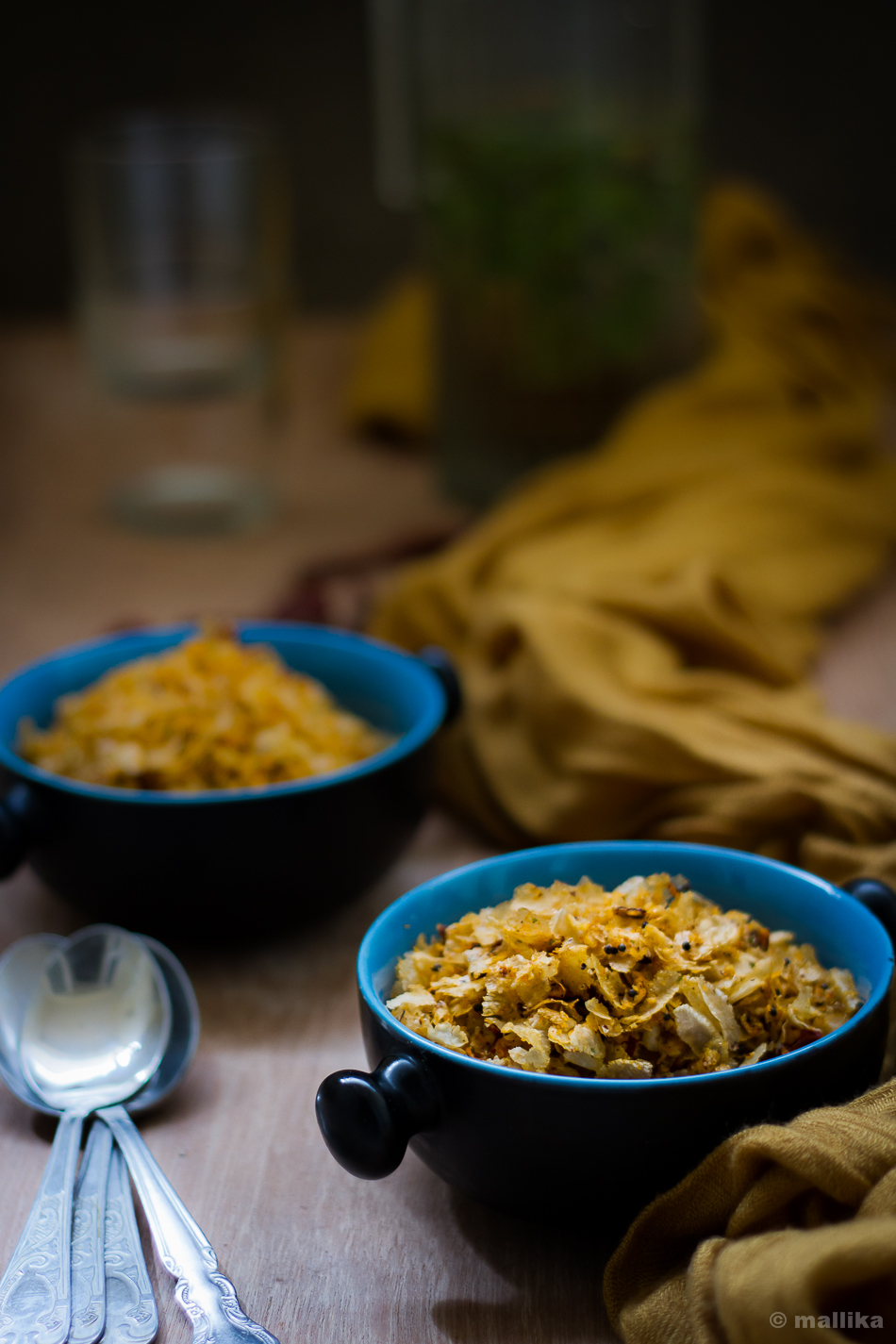
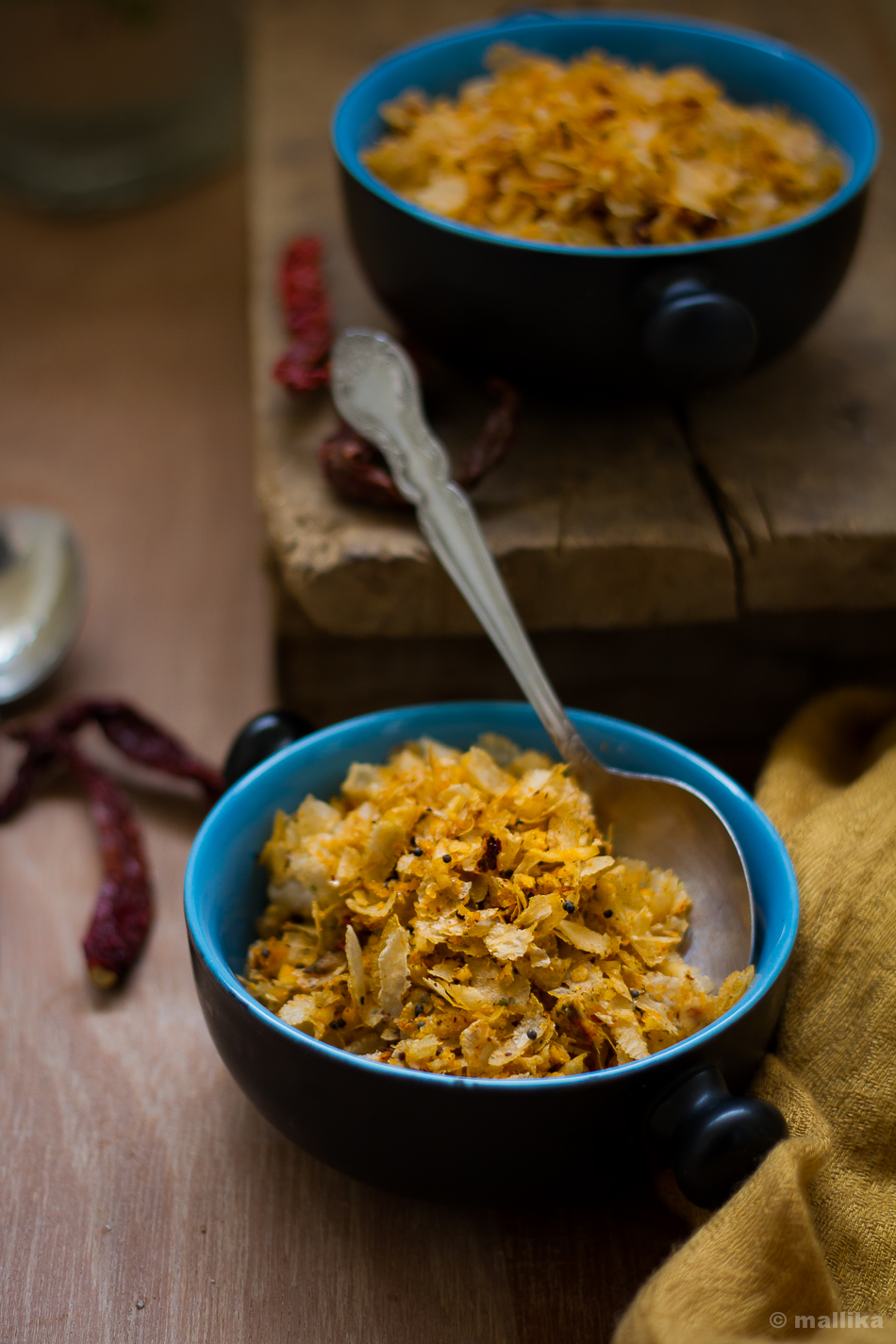
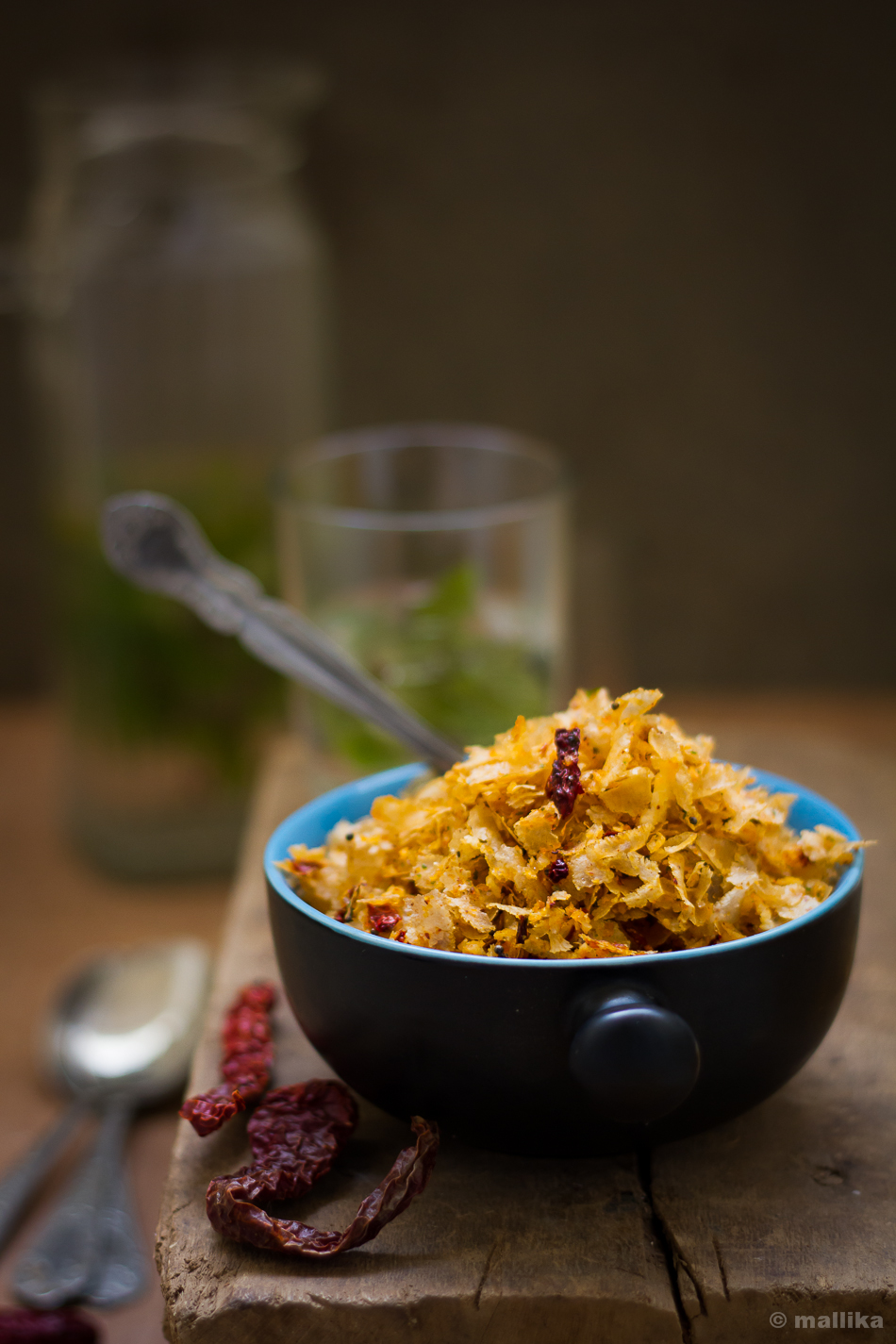
The recipe I share with you today is a rustic one that comes from the kitchens of my mother and grandmother. Kalasida Kempu Avalakki simply translates to Crushed Red Spices in Beaten Rice, where the whole red chillies are fried with mustard and curry leaves and then crushed by hand to a coarse texture. This releases all the spices from red chillies into the oil. Yum! I insist a good helping of sugar here as its the sweet, spice and salty flavour that makes this dish flavoursome. It's common to add chopped onions before serving, but I prefer it this way. Serve and consume this immediately as you make, since the paper-thin variety of beaten rice will lose its flakiness as it tends to absorb the moisture from the fresh grated coconut. This dish been there for ages in our traditional Havyaka homes, been loved by many for being so humble, often served as a snack with a cup of tea or an accompaniment to a breakfast. It takes just 5 minutes to put together, is gluten-free, easy on stomach, yet lip-smacking. It's a great tea-time snack, but is commonly served in breakfast as a side with uppittu. With all that partying and indulgent food you had over these holidays, this is an ideal recipe you will love to make. With just few everyday staple ingredients, its simplicity at it's best.

_MG_7305


Kalasida Kempu Avalakki

INGREDIENTS

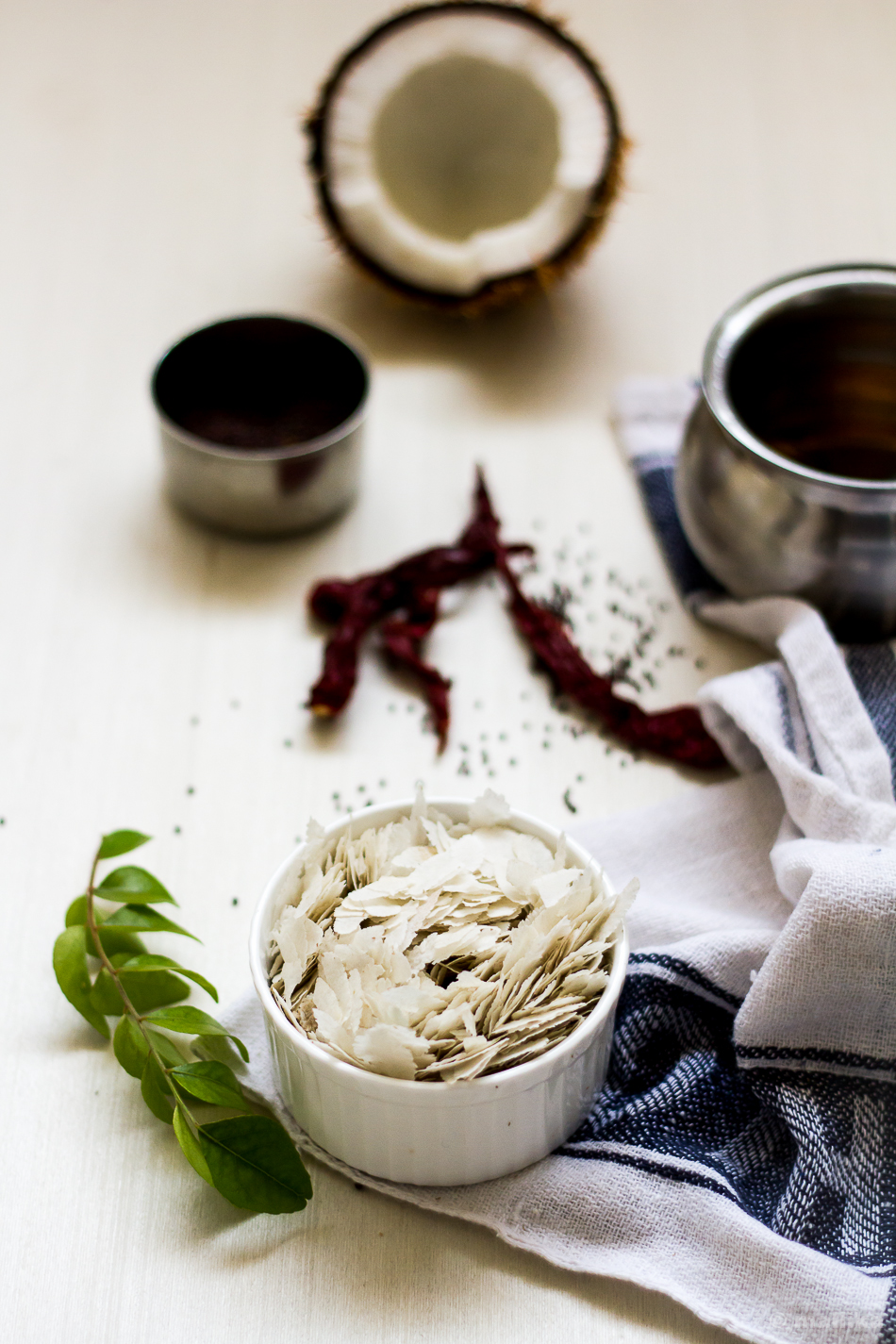
1 cup beaten rice (paper-thin variety)
1 tsp. coconut oil
1 tsp. mustard seeds
4-5 whole red chillies (I've used Byaadgi variety)
1/4 cup fresh grated coconut
1 sprig curry leaves (optional)
1 tbsp. sugar
Salt to taste

DIRECTIONS

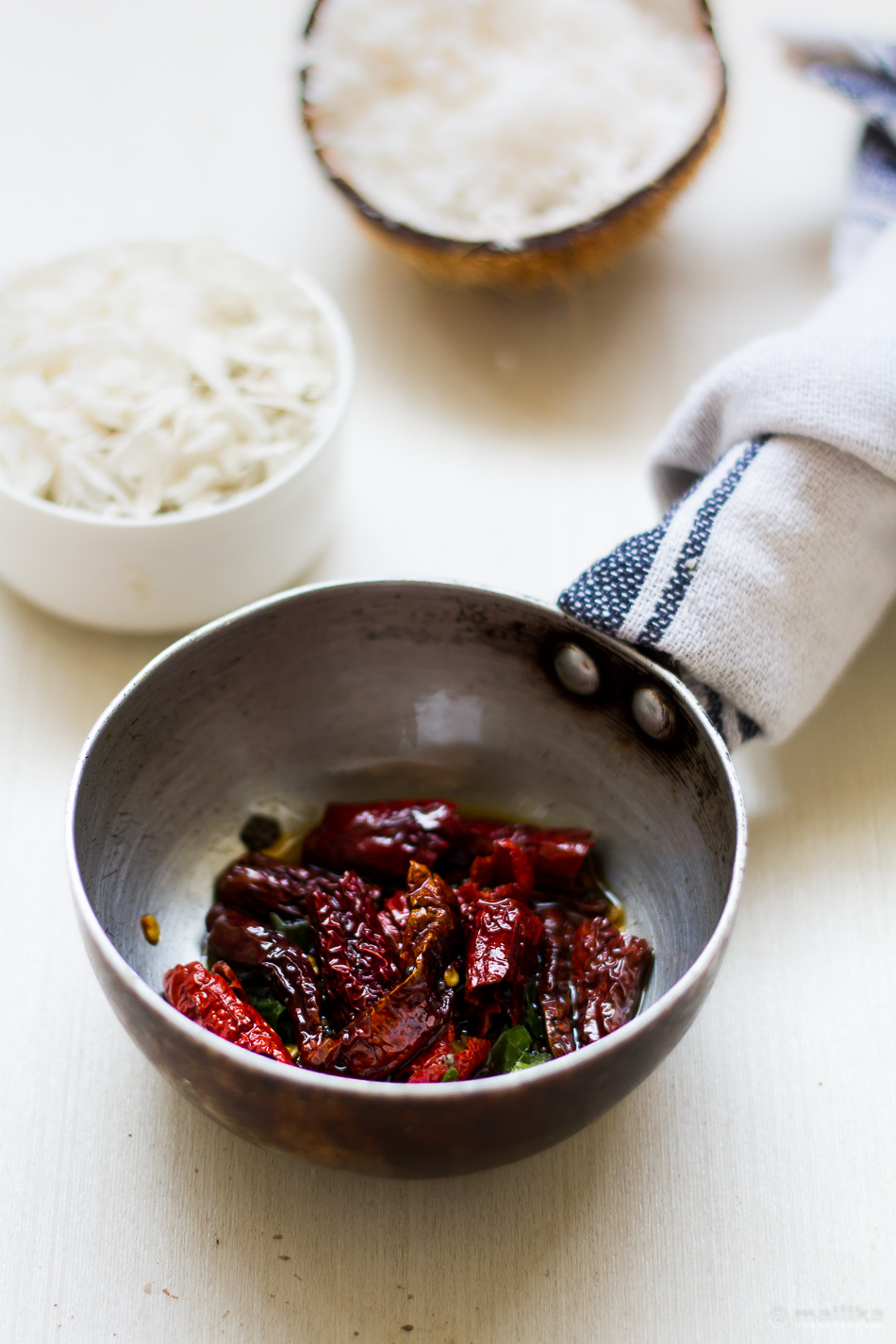
In a small kadai / wok, heat the coconut oil. Add mustard seeds and allow it to splutter. Add the red chillies along with curry leaves and fry them till the chillies swell and change their colour. Switch off the gas and allow it to cool. Crush the chillies well in their oil. I like to use my fingers for this, however if you worry about the heat getting to your hand use a mortar and pestle for the same. Once you see coarse flakes of chillies, add this spicy oil into the beaten rice, followed by fresh grated coconut, salt and sugar to taste. Toss everything well so that the beaten rice takes in the colour, flavour and spices. Serve immediately.

_MG_7310

BasaLe Soppu HuLi

How to make BasaLe Soppu HuLi| BasaLe Soppu Kodhel | BasaLe Soppu Sambhar
Homely, rustic and vastly organic. This is the kind of comfort food we grew up eating, often made from easily available farm grown wilds and greens fetched from aunt's estate, grandma's gardens and at times home-grown. I made this dish to bring back fond memories of a part of my childhood spent in the serene small town where convenience to such wild greens was in sheer abundance and was often subjected to lack of appreciation. And so much more to apologize myself for hating this dish through my growing up years. I remember disliking these greens in particular, eating them with puckered brows every time they made an appearance on the table, because my mom never spared cooking even those thick stalks of these creepers every time she lay her hands on them. I have seen dad relish them with relentless penchant. They were probably their favourites, rest assured they were not mine.

But now, it seems like ages since I had a chance to taste BasaLe Soppu or commonly called Malabar Spinach. The Malabar Spinach, also known as Red Vine Spinach grows abundantly in humid weather conditions. It has wide heart shaped leaves with soft-stems that grow into creepers. Despite my dislike for them through my growing up years, I missed them ever since I moved to Bangalore. I have never seen them around here where we live. If someone offered me this dish now, I would probably tag them 'exotic'. As kids, we were told these are healthy and have a great source of nutrition. But it's only now that I have learnt to appreciate those thick stalk-y chews of these wild creepers.

Homegrown BasaLe Soppu

(Pictured above, a lone creeper of Kempu BasaLe Soppu in midst of home-grown mint leaves)

A while ago, I grabbed a budding Malabar Spinach plant from a nursery on our trip back home. A handful of budding leaves on a stalk is all it stood with. Before I could let them grow and spread their wings, my impatience to revive my childhood memories with this dish took control over me and I went on a chopping spree. What remains now is a single barren short stalk that is making its way to climbing, twining, and creeping along another stem. As I patiently watch it grow to nurture new leaves, which will probably take a couple of months, I have a strong sense of excitement of using these home grown leaves in this home styled traditional recipe today. I hope you enjoy them as much as we did.

BasaLe Soppu Kodhel_1


Basale HuLi

INGREDIENTS:

1/2 cup Basale soppu (Malabar spinach / Red Vine Spinach)
1/2 cup togaribeLe / tuvar dal (pigeon peas)
1/2 tsp. turmeric powder
3 tbsp. kottambari beeja (coriander seeds)
10 + 2 Byadagi red chillies
1 tsp. hing (asafoetida)
1 tsp. jeerige (cumin seeds)
1 tbsp. kadale bele (split bengal gram)
1/2 tsp. menthya (fenugreek seeds)
1/2 cup grated raw coconut
Lemon sized tamarind
1 tsp. coconut oil
1 tsp. jaggery
1 tsp. mustard seeds
A sprig of curry leaves
Salt to taste

DIRECTIONS:

Wash and cook the togaribeLe/pigeon peas in pressure cooker along with turmeric till they are soft and mushy.

In a thick bottomed pan, dry-roast the coriander seeds, cumin seeds, methi seeds, split bengal gram, hing with about 7-10 red chillies till they are fragrant. Remove from heat and allow them to cool. Grind them to a fine paste with a handful of grated fresh coconut and tamarind. Set aside.

Wash the Basale leaves, along with their tender stalks. Chop them into small pieces. In a wide mouthed pan, cook the leaves and stalk in some water. As the leaves wilt and the stalks are cooked, add the cooked dal to this along with the freshly ground paste, a cup of water and bring to a rolling boil. Add a tsp. of grated jaggery along with salt to taste. Adjust the consistency of this huLi by adding more water to your taste and preference.

For the seasoning, heat a tsp of coconut oil in a wok. Fry the mustard seeds till they splutter. Add in torn curry leaves, hing and 2 broken red chillies. Fry for 30 sec and turn off the flame. Add this seasoning to the prepared huLi. Serve hot with steaming hot rice.

BasaLe Soppu HuLi_1

Vegetable Huli

How to make Mum’s Cheat Vegetable Huli | Easy Vegetable Huli
In the small town where I grew up majorly, life was simple, time had a hold and things were slow. I had a blissful childhood in safe shelter of love, care and freedom. It was indeed the small town charm that made life simple and modest in a community replete of love and affection from all in the neighbourhood. Life there had an advantage and as kids, we enjoyed the proximity of our school to home, which brought us the perks of walking down home during the lunch time. As the clock stuck 12:30 PM, the school bells would ring for lunch break that spanned over an hour, which meant we had ample time to walk home, relish hot, home cooked meal, watch our favourite comedy series that we were hooked to (oh yes, we were hooked to Hum Paanch back then, to an extent that I could have given exams on it and topped them!) and get back to school on time for the noon classes.

Every afternoon as the school bell rang for lunch hour, we would walk back home midst the humid summer heat, soaking sweat in the navy blue pinafores that we wore for our uniform. Plonking ourselves under the comfort of fans and beating the blazing heat with tall glasses of chilled water, mum in all ears would serve us steaming hot rice, topped with either tove, saaru or huli and dollops of ghee on some days or tamblis with stir fried vegetables on other days. Happalas (paapads) and salivating homemade uppinakais (pickles) were a ritualistic part of our menu and always stayed on the table. I cannot ignore the joy of biting into crisp, fried, spicy sandiges served on days when tamblis showed up on the table. Mum was a strict believer in healthy, nutritious food and she ensured that the food she cooked with love balanced in taste, health and nutrition very well.

Vegetable Huli


Our meals always ended with fruits for desserts. She would coax us to eat lots of vegetables and fruits as she does even today. She had a reasoning for what was cooked and she believed in them firmly. Like when greens were cooked, she would top them with freshly squeezed lime, because the vitamin C in lime aids in the digestion of iron in greens. Similarly, if a gravy was cooked with red chillies for the heat, the stir fry would then be cooked with green chillies, or vice versa to kill the monotony of flavours. Fresh vegetables and greens were a part of our daily diet, either in form of stir fries, or in huli, else in tamblis. And her love for organic food ran in her genes. Rustic vegetables like banana stems and flowers, drumsticks, raw jackfruits, gujje, basale soppu and doddapatre (brahmi) leaves that grow abundantly in wild during monsoons, produces that do not require intensive care, manure or added pesticides made up her favourites. On several other days, she broke the regime of traditional South Indian cooking with her delightful North Indian delicacies. On odd occasions, dessert during mid-week was in treat for us too. I was fortunate to have enjoyed the liberty of coming home to relish fresh home cooked meals for my lunches. It meant a lot – fresh, healthy, clean and nutritious. That was probably why I enjoyed food thoroughly even as a child, because it was simple, fresh and tasty.

Vegetable Huli


With time as I grew up to being a mother myself, I realized that care and affection towards healthy food comes by instinct for your family. It means nurturing the tradition of cooking healthy, wholesome meals that can balance in taste and nutrition. Someone reading this blog may probably think that the recipes, mainly desserts shared here are all what we eat. But truth to be told, we do not eat banana breads every day, nor do we have tea cakes every evening. There’s a lot more healthier we eat than I can share here. But I don’t feature them here, least I dread this space would become tad boring.

Like I said, we grew up eating huli, that is quite traditional to our cuisine. I don’t make huli often because I never attempted to make a good one that tastes like what my mum or grandmom make. While in my teens, my mum would often chuckle saying “A good Havyaka bride is known by the Huli she makes!” If I had to go by that saying, I would never fit that bill! One of the reasons why I featured this recipe here is because the version I share today is much simpler, the cheat kinds as taught by my mum.

Huli is a traditional Havyaka dish from the famed Mangalore-Udupi region, made from lentils, cooked often with vegetables, roasted spices and ground liberally with coconut and tamarind, balancing off the tang with a hint of jaggery. It’s the balance of spices, coconut and tamarind that make up a good huli, an art that takes years to master. While there are several names (also called Kodhel) and different versions of it, this particular version of huli tastes so close to the traditional one I've grown up eating, that my dad, an avid huli lover and a good cook by himself, believed that I went through the laborious task of roasting and grinding all the spices, while mum and I chuckle on sheepishly. Devoid of all that hassle, hence quicker and easier too, it’s flavoursome and delicious served fresh with steaming hot rice.

Vegetable Huli


Mum’s Cheat Vegetable Huli

Recipe adapted by mum

INGREDIENTS

1 cup mixed vegetables (raw bananas, brinjals, pumpkin, mangalore cucumber)
½ cup split pigeon peas / tuvar dal ( togari bele as in kannada)
1 tsp. turmeric powder
Salt to taste

For the Huli arpa, grind to paste:

½ cup grated fresh coconut
½ cup tamarind pulp / lime sized tamarind ball
3 tbsp. sāmbhar powder (preferably Karnataka styled)
1 tbsp. jaggery

To temper:

1 tsp. mustard seeds
2-3 whole red chillies
1 tsp. asafoetida
1 sprig of curry leaves
1 tsp. coconut oil

DIRECTIONS

Wash thoroughly and pressure cook the split pigeon peas / togari bele along with turmeric and 2 cups of water on 4-5 whistles. For 1 measure of the dal I use approximately 3 measures of water. In a separate pan, cook the vegetables with 1 cup of water and salt to taste till they are cooked and just tender. While the vegetables are getting cooked and the pressure cooker is cooling down, prepare the masala paste (called as huli arpa in kannada) by grinding fresh grated coconut with tamarind pulp (lime sized tamarind kernel cleaned and soaked in ½ cup warm water for 10-15 minutes), sāmbhar powder and jaggery, adding water little by little, if required, till its smooth and comes to chutney consistency.

Using a wooden ladle, mash the cooked split pigeon peas / togari bele to a paste. To this add the ground masala paste / huli arpa along with vegetables, and their broth and bring it to a rolling boil. Add sufficient water to bring it to a consistency of your preference. Adjust salt to taste.

Temper by heating some oil in a small wok. As it heats up, add mustard seeds, followed by whole red chillies, torn curry leaves and asafoetida / hing. Fry for a minute, turn off the flame and quickly add it to the prepare huli while hot. Serve hot with steamed rice.

Notes:

Tempering with coconut oil is optional, but highly recommended as it gives an authentic and traditional taste to this dish. You may use vegetable oil instead of coconut oil. Alternatively, use clarified butter / ghee for a richer taste.

I’ve used mixed vegetables here. However you may use these vegetables individually. Traditionally, for weddings and festive meals, Mangalore cucumber is the most common vegetable used in this kind of kai huli.

Vegetables that go well with huli are raw bananas, brinjals, pumpkin, mangalore cucumber, yam, bottle gourd.

The color of this dish hugely depends on the kind of chillies being used in the sāmbhar powder. Typically, byaadgi chillies will give you deep reddish brown hints while guntur chillies render more spice and less colour.

While we call this as huli in Havyaka cuisine, it is also popular by the name of kodhel in some of the sects/communities of coastal Karnataka, especially among the Tulu speaking Brahmins.

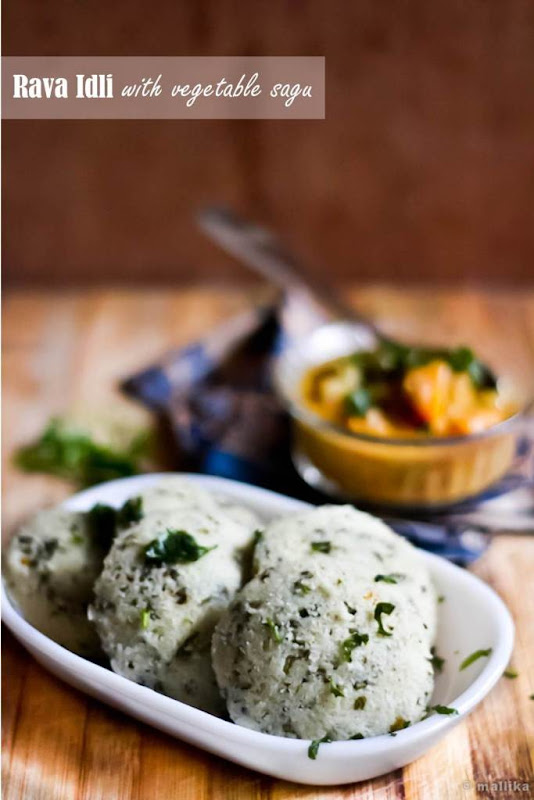
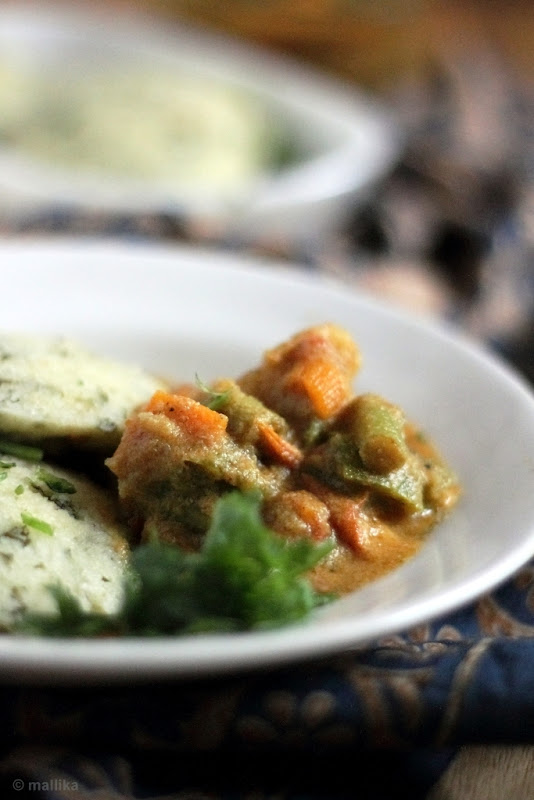
Rava Idli with Vegetable Sagu

How to make Rava Idli with Vegetable Sagu | Vegetable Sagu Recipe
Traversing through my old posts recently, which in a way I don’t do too often, strangely it felt odd for me to read of what I had written. Some made me laugh, some made me travel down the memory lane, some errors I fixed, some I felt proud of, I suppose it’s an anomalous sensation to read your own stuff. Some photographs made me think I should change, like the Marshmallows and S’mores, especially the ones I shot at night. Then as I dug deeper to my old, unheeded posts of 2009s, I thought they needed a makeover. Maybe sometime in future, when I recreate the same recipe and shoot again, I shall update them here. Or probably I’ll leave them that way and they’ll remind me how much I have evolved over the years in blogging.

You know I should hold on to penning down too much. Over the past couple of weeks, my posts, the write ups, have been spanning too long. I promise it’s not intentional. I like to write, to put my thoughts in words and do hope you enjoy reading them as much I love sharing my thoughts on food and memories with you.

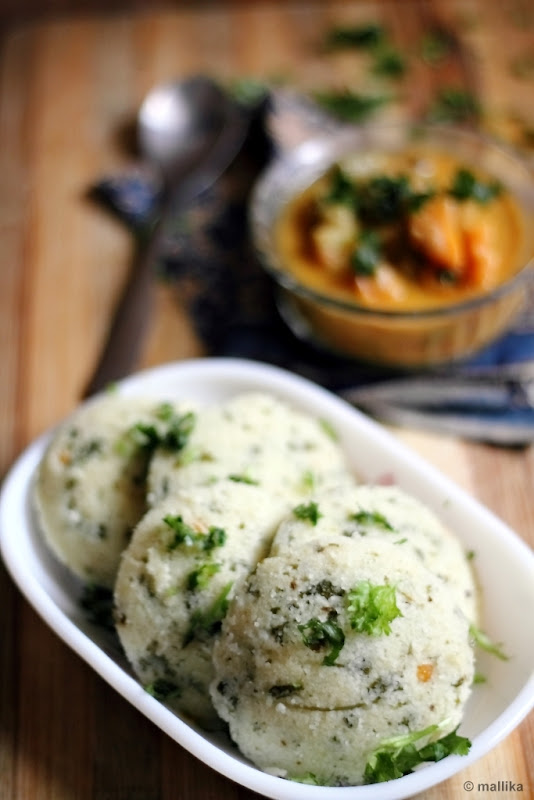
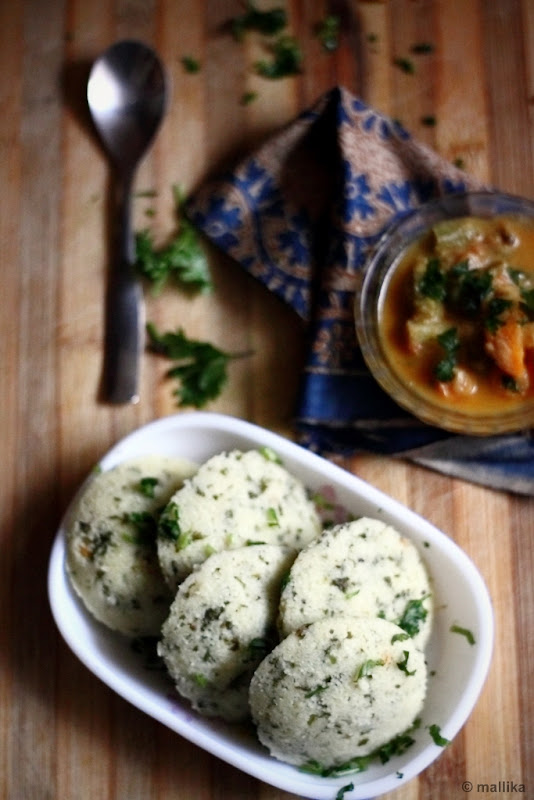
Rava Idli


Having said that, I promise to keep this one short and savoury. Basically a spiced, savoury, breakfast semolina cake. This Rava Idli, is a common Karnataka breakfast dish and most loved by all of us at home. It repeats itself almost every week. Not the kinds we get at a restaurant, that’s dense, heavy and feels stodgy with one slice, but instant, light and the kinds you want to indulge in more than just one. Pair it with chutney or serve this with vegetable sagu like it’s done traditionally, this one will send you taste buds whirring for more. Whoosh, you can’t help but love it!


Rava Idli

1 cup regular yogurt (not thick, Greek yogurt kinds)
1 cup semolina (sooji rava)
2 tbsp. oil
1 tsp. mustard seeds
1-2 green chillies
1 sprig curry leaves
1 tsp. Channa dal
1 tbsp. broken cashew nuts
1 tsp. baking soda (or an unflavoured fruit salt, like Eno)
Salt to taste

Mix a cup of semolina in cup yogurt and set aside for 10 minutes. If using thick store-bought yogurt, then thin it down by adding water. I've used regular skimmed milk homemade yogurt here. While the batter is resting, prepare the tadka. Heat the oil in a small frying pan. Add in the mustard seeds, channa dal, cashew nuts, curry leaves and heat till the mustard seeds begin to splutter. Turn off the flame and add this to the semolina, yogurt mixture. Whisk well. Add chopped green chillies and salt to taste. Finally add in the baking soda (or a sachet of fruit salt, if using), give the entire batter a quick, good whisk. The batter should be thick, similar to idli or cake batter. Transfer the batter to an oiled cake tin. If you have idli moulds, its best to use them. However you don’t own idli moulds, use regular cake tin for this purpose.

Heat a steamer / rice cooker. Place these moulds in the steamer and cook for 15-20 mins. Alternatively you can microwave it on high power for 4-5 minutes, till skewer inserted comes out clean. Slice and serve hot with any chutney of your choice or with vegetable sagu as available commonly in restaurants.


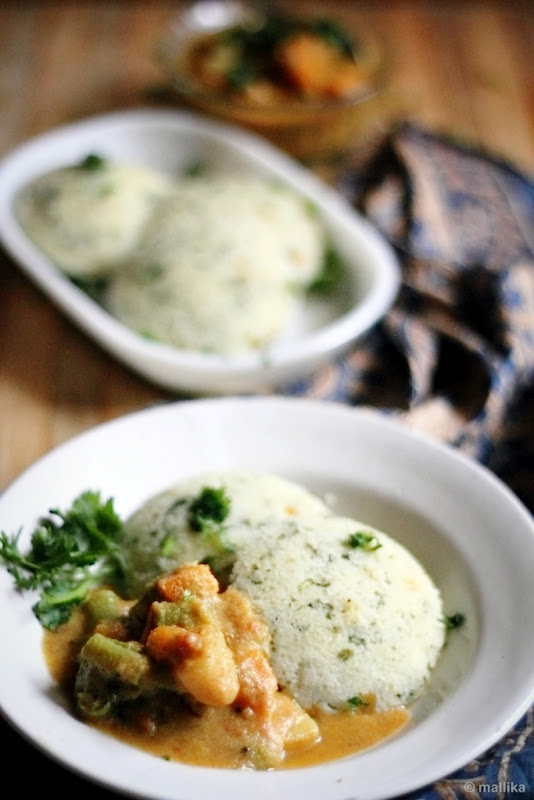
Mixed Vegetable Sagu

Mixed vegetable sagu is a popular Karnataka dish, typically served in Bangalore restaurants. It’s spicy and goes well with puris, dosas, aappam, and even rice. For best results, ensure that the vegetables are cooked just right – they should neither be crunchy nor too mushy, just the right bite.

INGREDIENTS

For The Masala Paste

2 to 3 green chillies, roughly chopped
4-5 peppercorns
2 tsp. coriander powder
1/2 tsp. cumin seeds
1/2” stick cinnamon
2 cloves
3-4 garlic cloves (optional)
4 tbsp. freshly grated coconut
1 handful of cilantro

Other Ingredients

1 tbsp. oil
1 tsp. mustard seeds
A pinch of asafoetida
A sprig of curry leaves
1 large onions, finely chopped
2 cups chopped mixed vegetables (potato, carrots, beans, capsicum, cauliflower green peas)
Salt to taste

DIRECTIONS

To make the masala paste, grind all the ingredients mentioned under masala, adding little water to a thick, fine paste. Keep aside.

Next, heat oil in a wide mouthed frying pan and add the mustard seeds. When the seeds begin to splutter, add asafoetida and torn curry leaves, and sauté well on a medium flame. Add the onions and sauté on a medium flame, while stirring continuously till they turn translucent. Add the mixed vegetables, salt and 1¼ cups of water, mix well and cover and cook on a medium flame for 12 to 15 minutes till the vegetables are tender, stirring in between. Add the prepared masala paste, mix gently and simmer for another 5 minutes. Serve hot with Rava Idli.


I made this quite a while ago but I don't know why I had been procrastinating on this one. It just sat in the corner of my drafts and though every time I thought of posting it other recipes caught my attention. I finally decided to put this recipe here, least I forget and it goes into hiding.

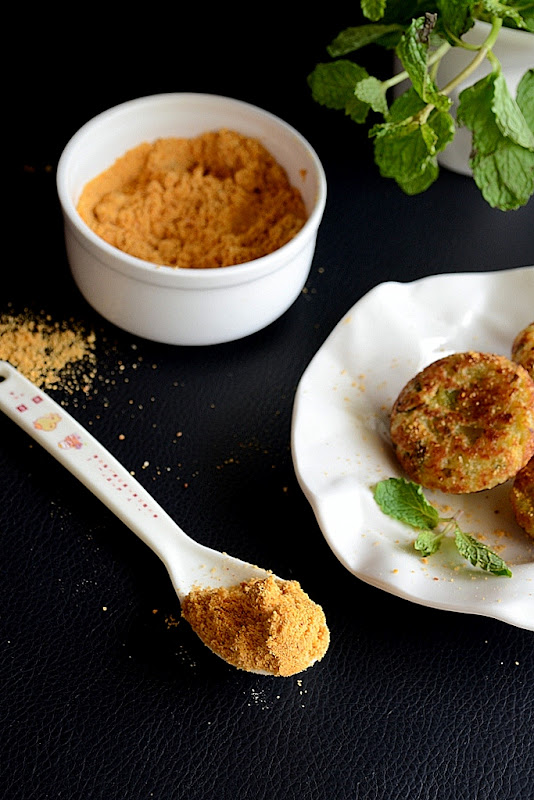
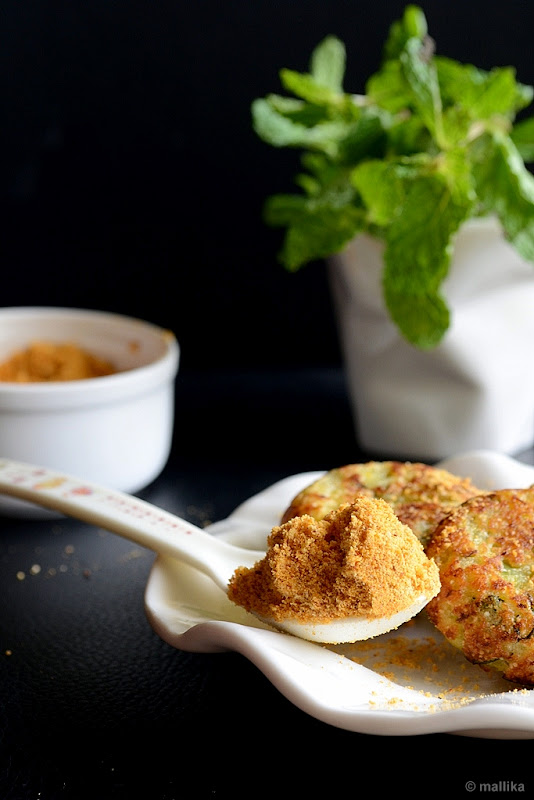
A while ago I had posted the recipe for a quick instant evening snack, Corn & Mint GuLiappa along with which I served this lip smacking peanut chutney powder. I promised then that I would share this recipe with you in the following post, but that didn't happen. So here it comes. This recipe is quite simple and comes from my mom and hope you too love it the way we do. It goes well with dosas, idlis and other breakfast dishes, as well pairs well with steaming hot rice and dollop of ghee.


Peanut Chutney Powder

INGREDIENTS

1 cup peanuts
2 tsp. red chilli powder
3-4 cloves of garlic
1 tiny piece of tamarind
Salt to taste

DIRECTIONS

Dry roast the peanuts along with cloves of garlic on a medium low flame till the skin turns to a darker color and the garlic is dry (has no moisture left). Let it to cool for a few minutes. Using the palms of your hand or placing peanuts between two towels, rub them to remove the skin. Grind the roasted peanuts, the roasted garlic along with chilli powder, tamarind and salt to taste till its powdered. You can leave tiny flecks of peanuts in there if you want a slight crunch. I prefer to grind it to a fine powder and serve it with a dollop of fresh ghee. Use as is or serve with ghee or dahi.


So what do you think is life like for a toddler mom food blogger? Fun, thrilling, stressful, exciting, uncertain, adventurous, tough, entertaining, or may be all of these??? Interesting! Let me give you a glimpse of me as a food blogger.

Just about 2 days ago I decided Sankranthi, the festival for harvest is here and I need to have a post signifying it for the 14th. I rustle up my calculations and cross upon Huggi, a traditional Havyaka household dish, and an apt one that can make it right for the day and the festival. Perfect, I think.

So to be able to post it a day in advance that will benefit my readers, I decide I will cook the recipe a day before, photograph them and publish here. I almost put things together, when I simply get a feeling that I am cheating. Would that justify me celebrating the festival? It made more sense to cook them the first thing in the morning of the festival while my family is around, finish the pooja, offer God and relish them fresh. So I push the entire thought of cooking Huggi for the day of Sankranthi, in a hope I will be able to quickly grab some clicks and post them here, hopefully the same morning. Hopelessly, that rarely happens!


The morning of Sankranthi dawns and the baths are over. I head over to the kitchen to make both versions of Huggi, the sweet and the spicy one, both equally delicious and my favourites too. My cooking is done on time, pooja is over, little one is to be fed and I am to decide if the oggarne/tadka needs to be added then or saved for the photographs. A tic-tac-toe and I add a part of the oggarne/tadka, saving some of it for the grace. I almost finish feeding my hungry toddler, put her to play in my kitchen and keep a keen check on her from the corner of my eye. Often she hangs around me for my attention, so a huge effort goes into distracting her with piles of kitchen utensils and cutleries to amuse her. By now my kitchen is in a huge mess with utensils, dolls and toys lying on the floor and on counters too. Adding to this, hazaar utensils lay around to be cleared and washed. I clear a part of these to make some space for the props to be fitted into the existing clutter, as obvious to make my dish look a little appealing. By now my little toddler begins to get anxious, seeking my consideration to play with her, so she's up on the kitchen counter, least I can keep her busy with my constant talks and her plays. I begin to place up my props, lay the dishes, top the garnishes, neat my background, foot the tripod and almost begin to shoot when a tiny hand hovers over to dish, pulling the props, the background and at times the camera lens too! Again, in an attempt to distract, I hand over unforeseen kitchen items for her to play. Her hands go deep into the jar of my precious ghee, the onion and garlics are off their peels, things helter-skelter and a glass or two ends up cracking on the floor. Though by now she is bored and there comes the shrill cry, more mess and my woe! Then there are agony moments when my garnish ends up in a mess, spoons are thrown into the dish, splattering on to the table cloth and I throw up my hands in anguish! Did I say life of a blogger mom was stressful? Phew!


I come back to square one of laying things on the dining table instead, let her on her foot to play, hand over a spoon and bag of chickpeas for her to fiddle with, foot the tripod and almost begin to shoot a photograph or two when my little one spills over all the chickpeas, gives up on them instantly and hovers over to tripod, attempts a climb, almost tumbling over it. I tip toe over the scattered chickpeas, just managing to balance the falling camera on a single foot and my toddler on another! Again, I give up, shove aside the tripod and shoot by hand with a few shaky shots and some good angles. Did I say life of a blogger mom was adventurous? True!

Okay, so by now I somehow manage a few shots here and there and then sit down to processing the files, generally when my baby is off to her sleep. And today she decides not to sleep. I sit her till the noon, simply hoping I can make through this post today! She's off to sleep and I sit to blog about it, my thoughts are totally empty. Heck! Where do I start? Every blogger's foe, that blogger's block! I try to start, then just let it go. Instead I manage to do my processing and editing. Of the hazaar photos I click randomly I short-list to the chosen few. By then my little one is awake. Here I go off again, almost being sure this will have to wait another day, may be next year too...??? Yeah, I did say life of a blogger mom was uncertain.

With all that said and done, I finally have my post here, though not exactly on time as I would have preferred it earlier in the day. I sat at a stretch, almost 3 hours and managed to crack a good long write up too! And as it gets published, its fun and exciting. As the comments pour in, it gets entertaining too :) That's life being a food blogger and toddler's mom too!


Sihi Huggi

INGREDIENTS

1/2 cup moong daal
1 cup rice
3 cups milk
1 cup water
2 tbsp. clarified butter / ghee
1 1/2 - 2 cups sugar or jaggery (adjust as per taste)
1-2 cardamom pods, crushed
A handful cashew nuts & raisins
A pinch of saffron

DIRECTIONS

Wash and clean the moong daal and rice and keep it aside for about 10 minutes. In a pressure cooker, add the moong daal, the washed rice. Cook them in 2 cups of milk and 1 cup of water to 3 whistles. If you do not have a pressure cooker at hand, use a regular cooking pan and cook the daal and rice till they turn soft and mushy. Once cooled, lightly mash them using the back of the ladle once cooked. Add the sugar to taste and adjust the thickness of the huggi by adding remaining milk, if necessary. Add in the saffron and stir well. Heat it till it comes to a boil. I've used sugar here since I ran out of jaggery, but I suggest you try the jaggery version as it tastes great too!

Next, heat three tbsp. of ghee in a wide mouthed pan. Add cashews and fry till they turn golden brown. Switch of the flame and quickly toss in the raisins and cardamoms. Allow them to plump in the heat. Garnish the prepared sihi huggi with the fried cashews and raisins and serve hot.


Khara Huggi

INGREDIENTS

1/2 cup moong daal
1 cup rice
2 tbsp. clarified butter / ghee
1 tsp. turmeric powder
1 tsp. cumin seeds
1 tsp. chopped ginger
2 chopped green chillies
1 tsp. whole & broken peppercorns
A sprig of curry leaves
Salt to taste
A handful cashew nuts

DIRECTIONS

Wash and clean the moong daal and rice and keep it aside for about 10 minutes. In a pressure cooker, add the moong daal, the washed rice along with chopped ginger and green chillies. Cook them in sufficient water (about twice to three times the quantity of rice and dal) to 3 whistles. If you do not have a pressure cooker at hand, use a regular cooking pan and cook the daal and rice till they turn soft and mushy. Once cooled, lightly mash them using the back of the ladle once cooked. Add turmeric and salt to taste. Adjust water to your desired thickness as necessary.

Next, for the oggarne, heat three tbsp. of ghee in a kadai. Add the cumin seeds. When the cumin seeds turn fragrant, add torn curry leaves, the whole and broken pepper and cashew in the ghee till the cashews turn golden brown. Garnish the prepared huggi with this oggarne and top with more roasted cashews before serving.

Wishing you all a Happy Sankranthi this season!


Hope you had a fabulous Diwali! We did and continue to do so over a couple of days. We came together, lit up the evening, met up family and friends, shared wishes, had fun the eco-friendly way, celebrated minus the crackers, snacked well (of course should I even mention that???) and had a great evening in all. Food becomes an integral part of our celebrations and is rooted to our traditions, so this Diwali wasn't any different for us in terms of feasting.

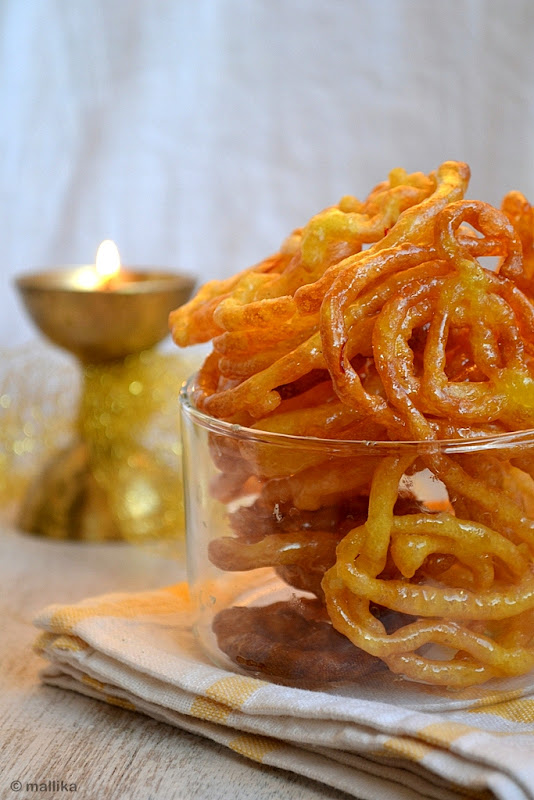
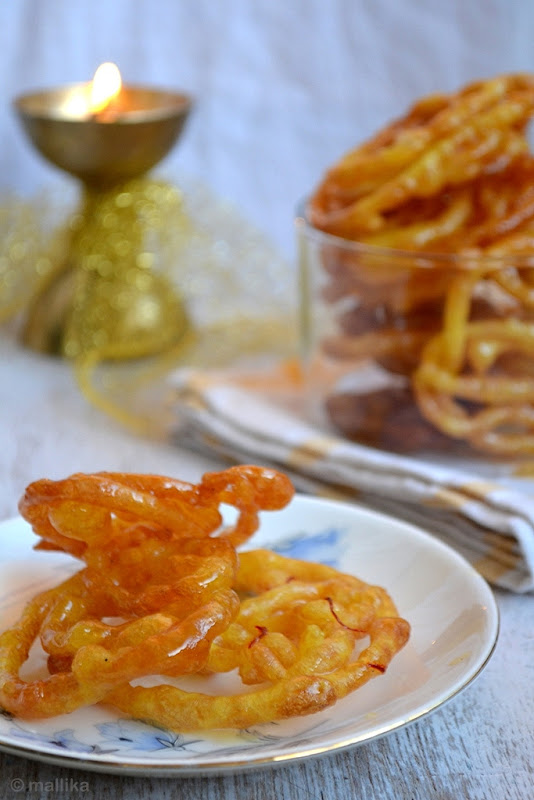
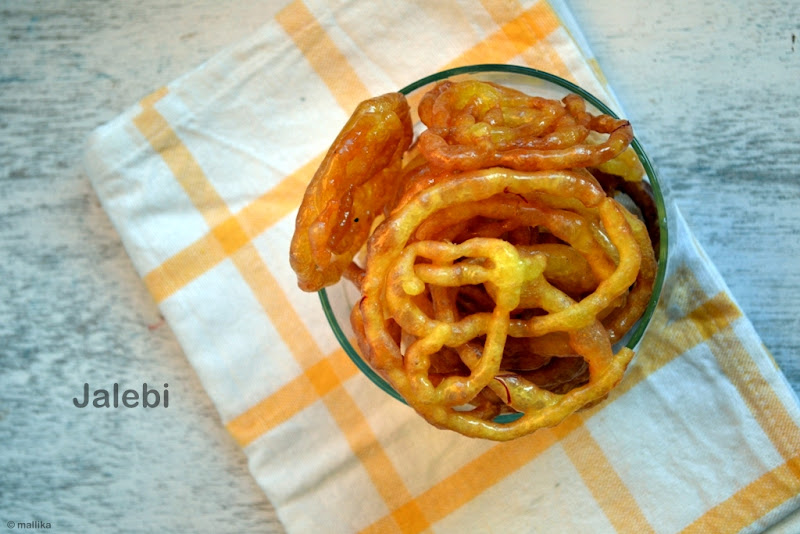
You do remember I spoke about making sweets and savouries like, Kala Jamuns and Boondi on my previous post for this Diwali? Oh I forgot to mention using boondi in Chiwda and frying up some delicious crisp, thin Jalebis to make our evening warm and memorable.


Making Jalebis have always been on my mind. I had my inhibitions, probably the process of making sugar syrup and frying them made me nervous. However, with my little one around and in an attempt to satisfy her food cravings, I am tempted these days to experiment with dishes that I hesitated in the past. My tiny tot is an average eater, but she enjoys a good deal of variety on her plate. She takes me to surprise with her food habits and likings, her uniqueness with tastes, which can get quite unpredictable!

I pulled my sleeves up well with the art of making jalebis which aren't as difficult as they sound or seem like. The video by Manjula's kitchen did boost my confidence quite a bit and I set out to fry a small batch (measured half the quantity of tea cups), yet they seemed like a lot. Easily made up close to 20 odd jalebis. I chose an instant recipe using yeast, trust me it works beautifully. My grandma is an expert in making these the traditional way by soaking flours in curd and leaving them to ferment overnight. Every Diwali, way back in her kitchen, she would slave for hours, to carefully break open the eye of an empty coconut shell to pipe out perfectly round jalebi batter over a large wok filled with oil, fry them gently and dunk them into delicately flavoured sugar syrup, an appealing dessert that could easily serve a huge crowd and satisfy many taste buds. She was quite surprised knowing the fact that I hardly slaved over these. I replaced the besan to equal amount of rice flour as per my grandma's suggestion and the resulting jalebis were very crisp and sinful.

To be honest, I wasn't sure if the photographs here were good enough to post. So I apologize since the eve was hectic and with all that I had at hand I shot them in a hurry. But then its Diwali season and jalebis should be here hence.


Crisp Jalebis

INGREDIENTS

Batter:

1/2 cup All Purpose flour
1 teaspoon rice flour
1/2 teaspoon yeast
1/2 teaspoon oil
1/2 teaspoon sugar
A pinch of turmeric for color (optional)
About 1/3 cup of lukewarm water (as needed)

Oil to fry

Syrup:

1 cup sugar
1/2 cup water
Pinch of cardamom powder
Few strands of saffron
1 teaspoon of lemon juice

DIRECTIONS

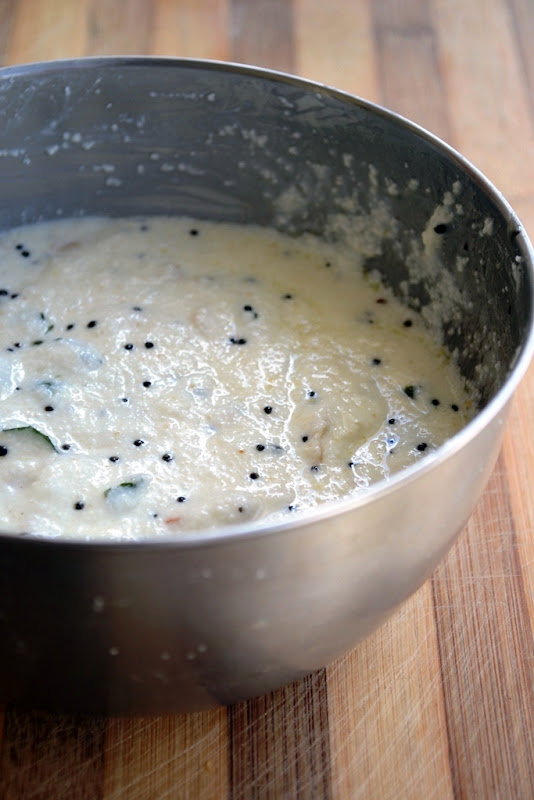
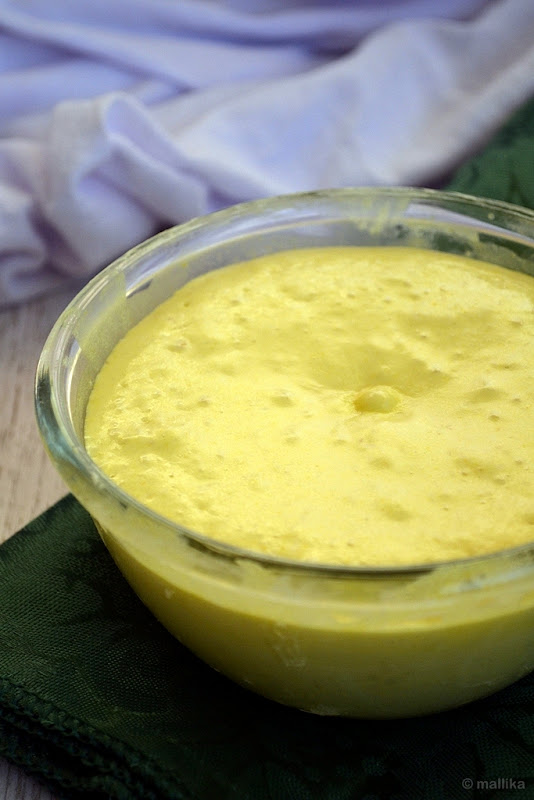
Dissolve the yeast in warm water and allow it to sit for about five minutes. Mix the flour, rice flour, turmeric, oil and sugar together. Add the yeast solution and mix well, making sure that there are no lumps and the batter is smooth. Set the batter aside and let it sit in a warm place for one hour. Make sure the batter is fermented. After fermenting batter will rise high and look frothy like the above picture.

Boil the sugar and water together. Add the lemon juice and saffron and close the heat.

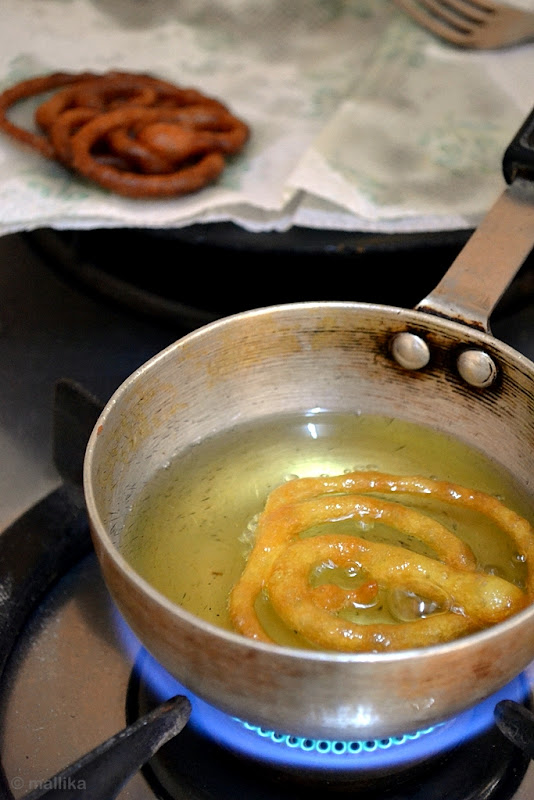
Heat the oil in a kadhai or a frying pan. Check if the oil is ready by dropping dots of batter in the oil. If batter sizzles and comes up without changing color its ready. Fill the Jalebi batter into a piping bag with a plain round nozzle. Squeeze the Jalebi batter out in the hot oil in a pretzel shapes and fry them until golden-brown on both sides. Transfer into the warm syrup. Let jalebi soak in the hot syrup for a few seconds and take out. Serve hot.

Note: Having the oil at right temperature is the key to good jalebis. Fry jalebis on a low flame till they are golden in colour. I got a hang of this after my first 2 jalebis turned brown. Switch off the flame if the oil is too hot and the jalebi burn.